Texas is flipping the script on its fossil fuel legacy. Once oil country, the state now hosts massive zero-carbon data centers operating completely off-grid. Companies like Microsoft use timber structures while Google deploys AI to manage energy. Liquid cooling systems slash energy use by 70%, creating tech jobs in rural areas. Even ExxonMobil’s getting in on the action, developing carbon capture tech. Turns out the Lone Star State’s next revolution isn’t about oil—it’s about servers.
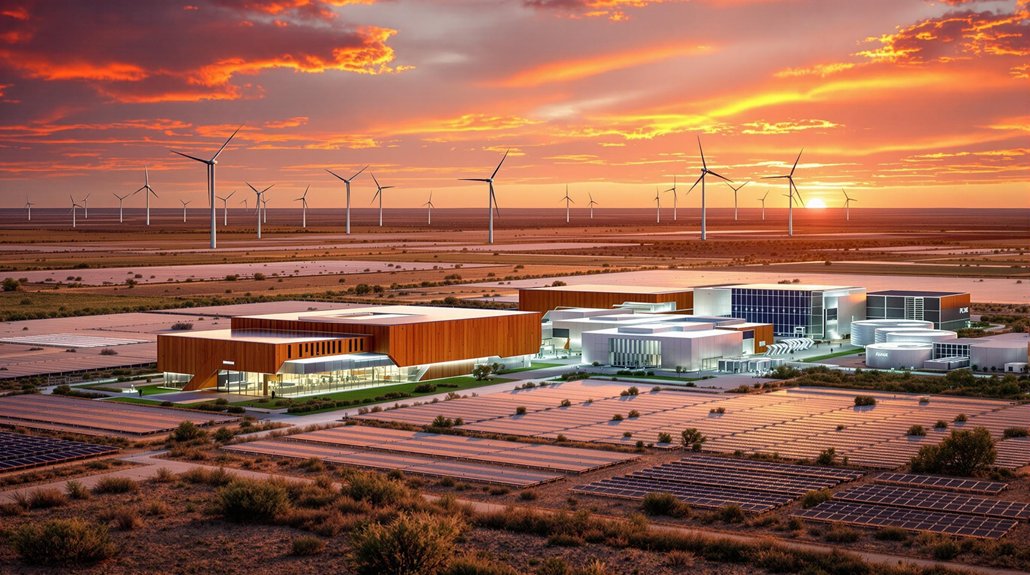
While most Texans still associate their state with oil rigs and cattle ranches, a quiet revolution is reshaping the Lone Star landscape. Texas, of all places, is becoming ground zero for zero-carbon data centers. Yeah, you read that right. The oil capital of America is going green—at least when it comes to computing power.
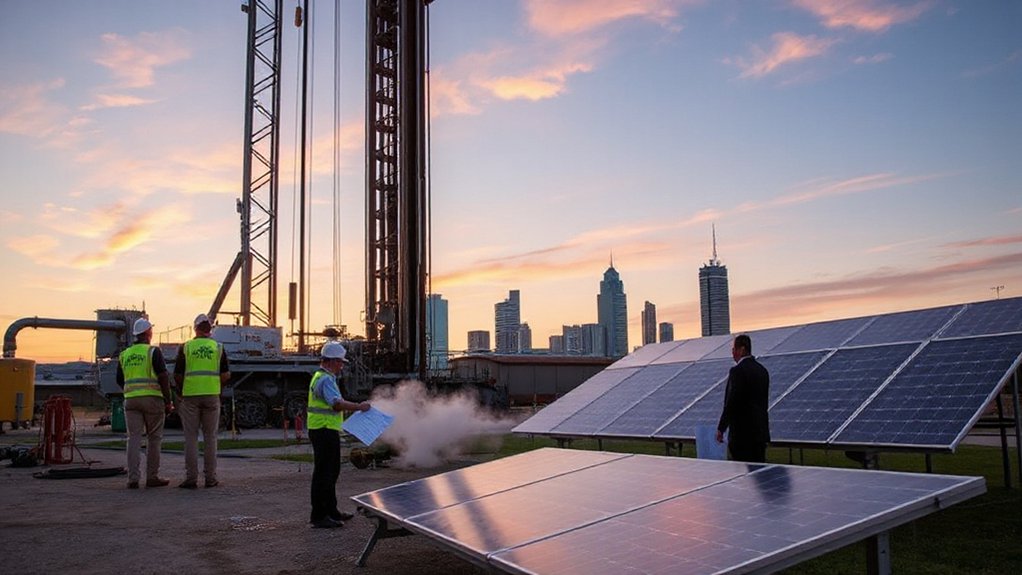
Austin’s Climate Equity Plan is pushing for net-zero emissions by 2040, and they’re not messing around. They’ve already mandated low-carbon concrete for construction projects. Even ExxonMobil—poster child of fossil fuels—is developing carbon capture technology for these massive computing facilities. Ironic, isn’t it?
These aren’t your grandpa’s data centers. Microsoft is building structures from wood. Actual wood. Cross-laminated timber instead of steel and concrete. Google’s using AI to manage energy efficiency. Some facilities are dunking servers in special liquids to cool them, slashing energy use by up to 70%. Smart.
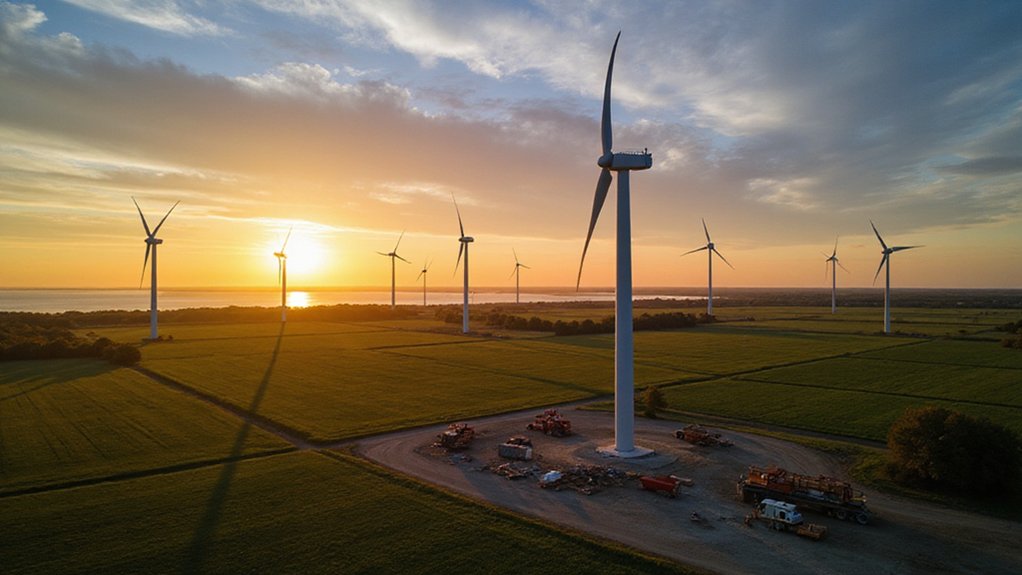
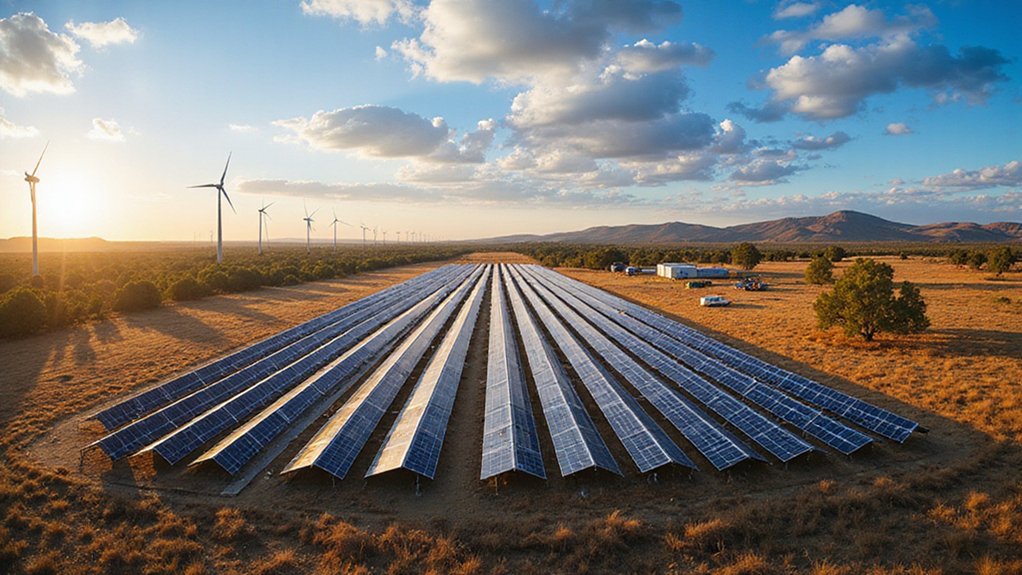
Texas and renewable energy might sound like an odd couple, but they’re surprisingly compatible. The state leads the nation in wind power. Solar installations are popping up faster than new Buc-ee’s locations. Many facilities use on-site renewables or power purchase agreements to stay clean.
Water conservation matters in a state prone to drought. New designs use air cooling or liquid immersion systems instead of traditional water-hungry methods. Some collect rainwater or use treated wastewater. Others landscape with native plants that don’t need constant watering. Basic, but effective.
The economic impact is huge. High-tech jobs are showing up in rural areas. Tax revenue funds local services. Schools and universities are partnering with these facilities for education programs. With battery costs now below $100/kWh, these facilities can store energy efficiently during peak production times. Tech giants like Google have already achieved carbon neutrality and are inspiring local developments.
State incentives for renewable development are helping, as are modernized building codes and grid improvements. NET Power’s innovative project in Odessa will remove 860,000 tons of CO2 annually when completed. The whole thing requires collaboration between industry, government, and academia—three groups not exactly known for playing nice together.
Texas and clean energy. Who’d have thought? But here we are, watching oil country become home to the world’s biggest off-grid computing powerhouse. Times change. Even in Texas.