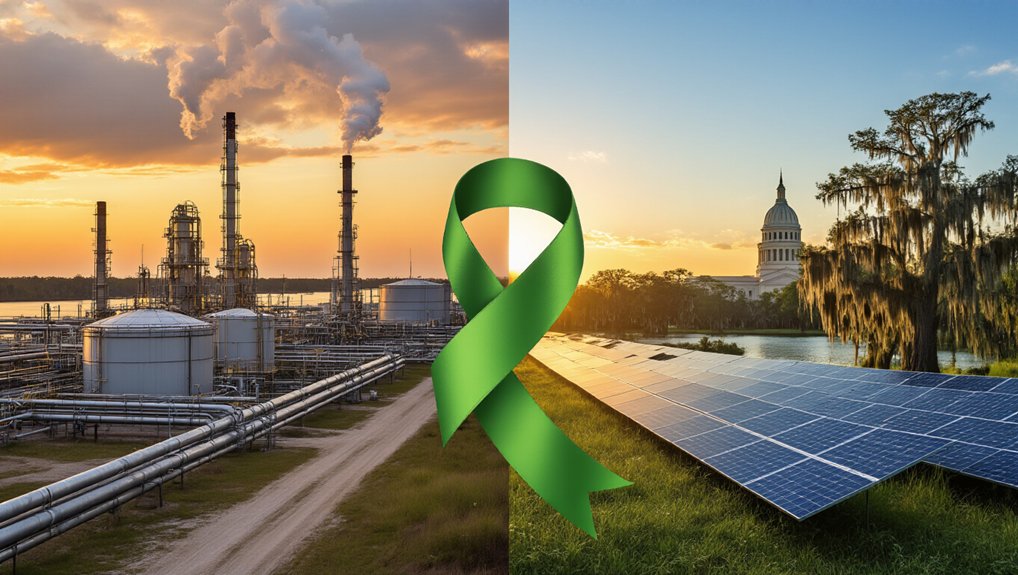
Florida lawmakers have introduced the Coastal Protection Act, a bipartisan effort to permanently ban offshore drilling. After the Deepwater Horizon disaster leaked 4.9 million barrels of oil, public concern skyrocketed. No surprise—68% of Floridians voted against drilling in 2018. The stakes are massive: Florida’s fishing industry generates $13.8 billion annually, while tourism keeps booming. With Biden’s temporary ban facing Trump’s reversal plans, the push for permanent protection intensifies.
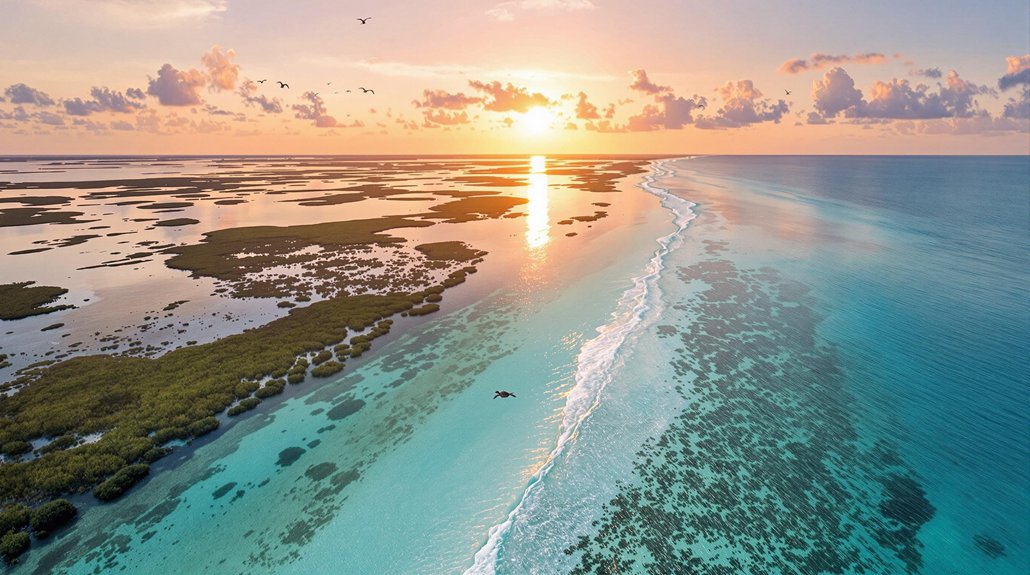
The future of Florida’s pristine beaches hangs in the balance. With 235 miles of Gulf Coast shoreline and 275 miles of Atlantic coast at risk, lawmakers aren’t messing around anymore. In March 2023, they introduced the bipartisan Florida Coastal Protection Act, aiming to permanently ban offshore drilling. No temporary solutions. No executive orders that can be reversed. A permanent ban.
Florida’s beaches face extinction. Lawmakers finally get serious with a permanent, no-loopholes ban on offshore drilling.
Remember Deepwater Horizon? That 2010 disaster leaked 4.9 million barrels of oil into the Gulf. Over a decade later, 210 million gallons still pollute 92,500 square miles. Nearly 26,000 marine mammals, 82,000 birds, and over 6,000 sea turtles died. Not exactly a rounding error.
Floridians are pretty clear about where they stand. In 2018, 68% voted to prohibit drilling in state waters. Rep. Kathy Castor has been a vocal advocate, highlighting the essential protection needed for Florida’s economy and environment. Over 100 Florida cities passed anti-drilling resolutions. It’s not just tree-huggers either—this crosses political lines. When two-thirds of American voters and 70% of young voters support protecting coastlines, politicians start paying attention. Funny how that works.
Florida’s economy depends on clean beaches. Period. The fishing industry alone generates $13.8 billion annually and supports 120,000 jobs. Tourism jumped 27.3% in 2021. Oil spills and tourist destinations don’t exactly mix well. The shift toward wind energy could provide a cleaner alternative while creating new jobs in coastal communities.
There’s also the whole national security angle. Military bases like MacDill conduct critical training off Florida’s coasts. Drilling disrupts that. Plus, we’ve got less than 3% of the world’s proven reserves but consume 25% of produced oil. Do the math.
President Biden issued a permanent ban on coastal drilling in January 2025, protecting 625 million acres under the Outer Continental Shelf Lands Act. But President Trump has vowed to overturn it. Cue the political tug-of-war.
The American Petroleum Institute called Biden’s action “politically motivated.” Environmental groups want even more protection. Meanwhile, Florida’s beaches, wildlife, and economy wait to see which way the tide turns. The GOMESA moratorium protecting waters near Florida’s coastline is set to expire in 2022, making this new legislation even more urgent. The stakes couldn’t be higher.