A new rural conflict is emerging as farmers accuse neighbors of “stealing wind” by placing turbines near property lines. These turbines can alter wind patterns, reducing energy available to nearby farms while generating profits for turbine hosts. Setback regulations vary widely across jurisdictions, with “wind rights” becoming a developing legal concept. These disputes strain traditionally cooperative farming communities and create economic divisions. The controversy highlights the complex balance between renewable energy progress and property rights.
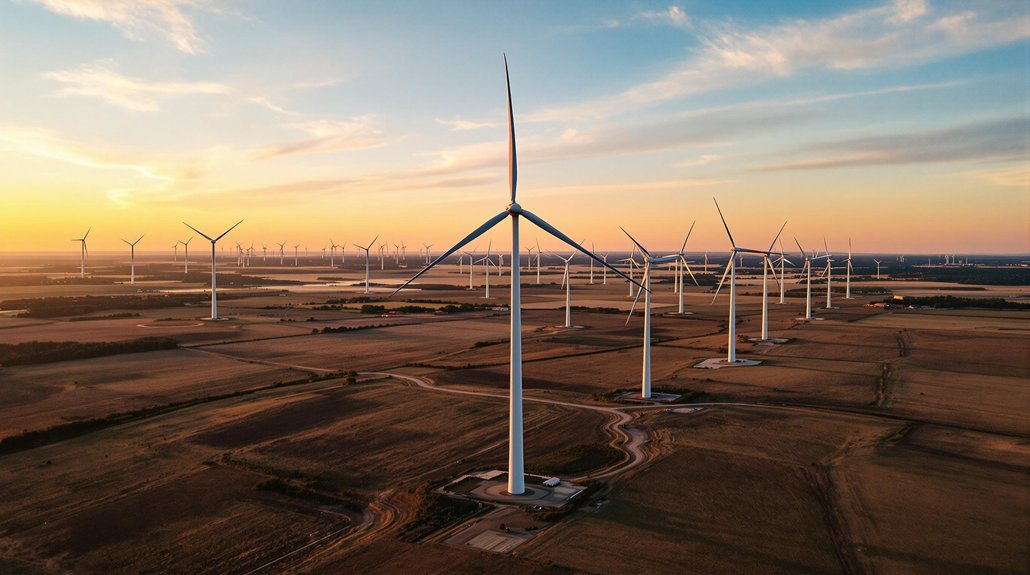
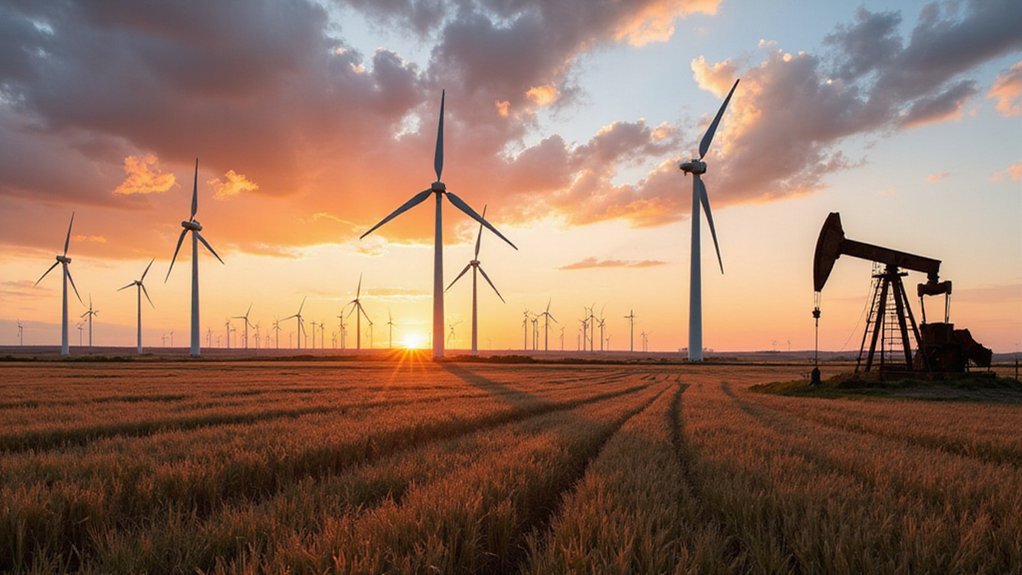
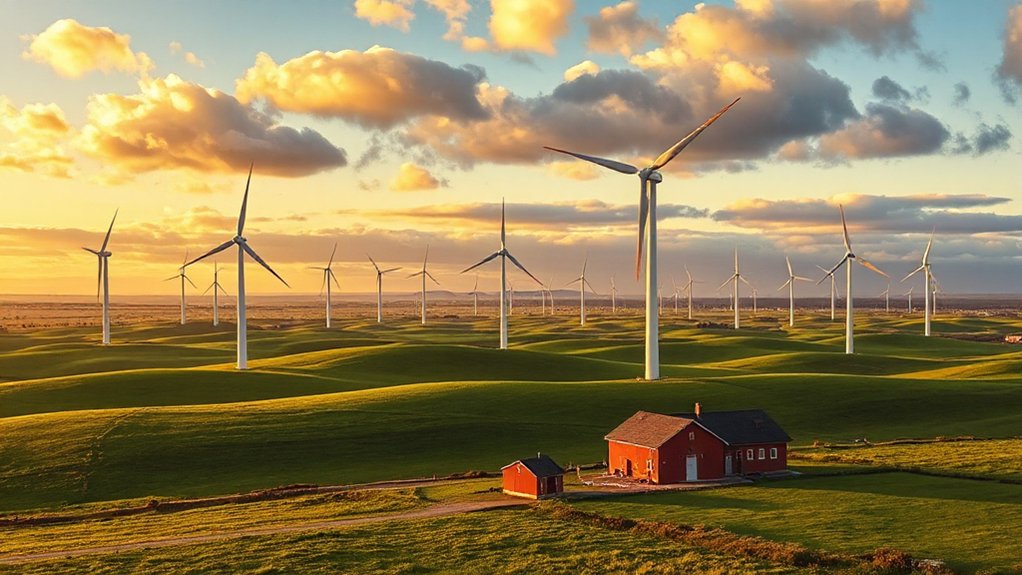
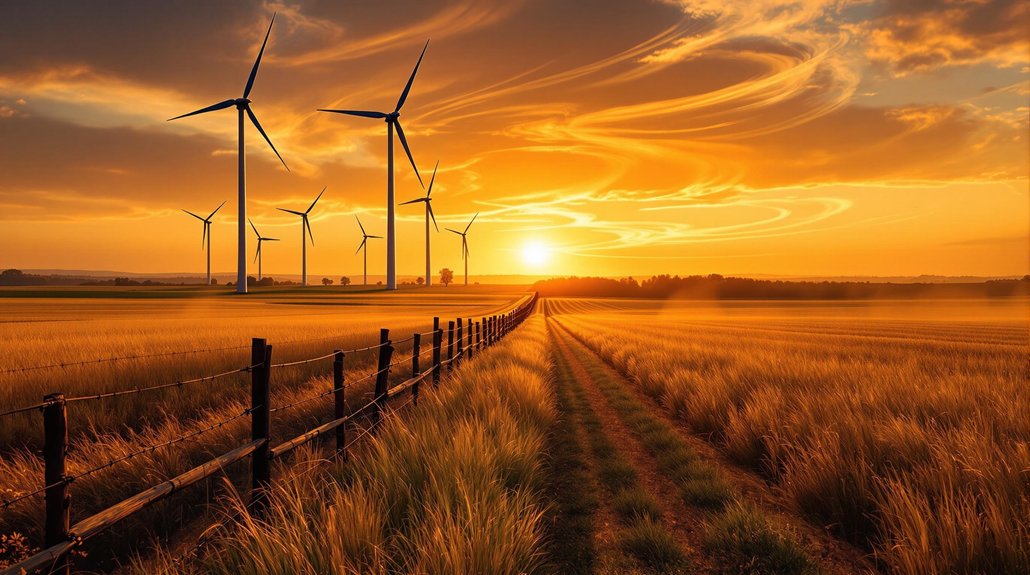
As wind turbines increasingly dot America’s rural landscape, an unusual type of neighborly dispute is emerging along farm boundaries. Farmers are accusing each other of “stealing wind,” claiming that nearby turbines are capturing energy that would have blown across their properties.
These conflicts typically arise when one landowner hosts wind turbines near property lines. The turbines can alter local wind patterns, potentially reducing wind energy available to neighboring farms. This creates tension, especially when one farmer receives financial benefits while neighbors experience potential losses.
“It’s like watching someone take money right off your land,” said one farmer who wished to remain anonymous. The economics make these disputes particularly heated. Landowners can earn thousands of dollars annually from energy companies for hosting turbines, while neighbors may get nothing.
Local zoning regulations attempt to manage these conflicts through setback requirements, which determine how close to property lines turbines can be placed. However, these rules vary widely across counties and states, creating inconsistent protection for neighboring properties. Similar to the contorted border drawn in 1981 between Finland and Sweden to accommodate conflicting interests over a lighthouse, these wind farm boundaries represent complex jurisdictional challenges. The ongoing disagreement over maritime boundaries in the Dixon Entrance, rich with valuable marine resources, mirrors these modern land-use conflicts.
Courts are increasingly seeing cases centered on “wind rights,” a concept that’s still legally developing. The lack of standardized laws makes these disputes difficult to resolve through traditional means.
Beyond economic concerns, these conflicts strain the social fabric of rural communities. In areas where cooperation between neighboring farms has been tradition for generations, wind energy development is creating new divisions.
Environmental groups note that while these disputes are real, the broader benefits of renewable energy shouldn’t be overlooked. Despite the conflicts, modern wind turbines generate electricity with zero emissions during operation, providing significant environmental advantages. “These are growing pains in our shift to cleaner energy,” says environmental advocate James Wilson.
Some communities are exploring solutions like shared benefits programs, where turbine revenues are distributed among multiple landowners. Technology is also helping, with newer turbine designs that create less interference with downwind properties.
As renewable energy targets push development forward, more communities will likely face similar conflicts. For now, these unusual disputes over an invisible resource continue to challenge traditional notions of property rights in America’s farmlands.