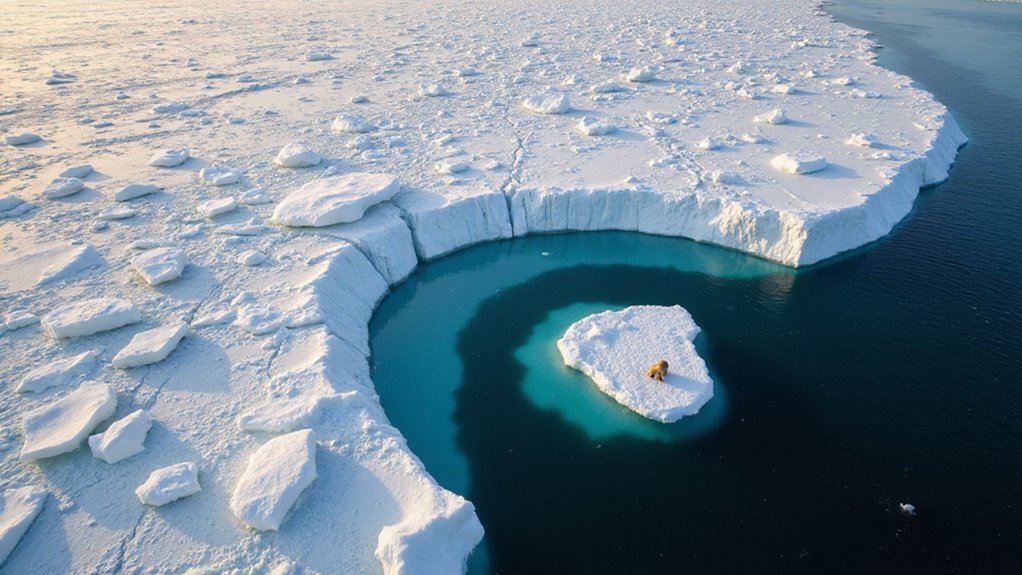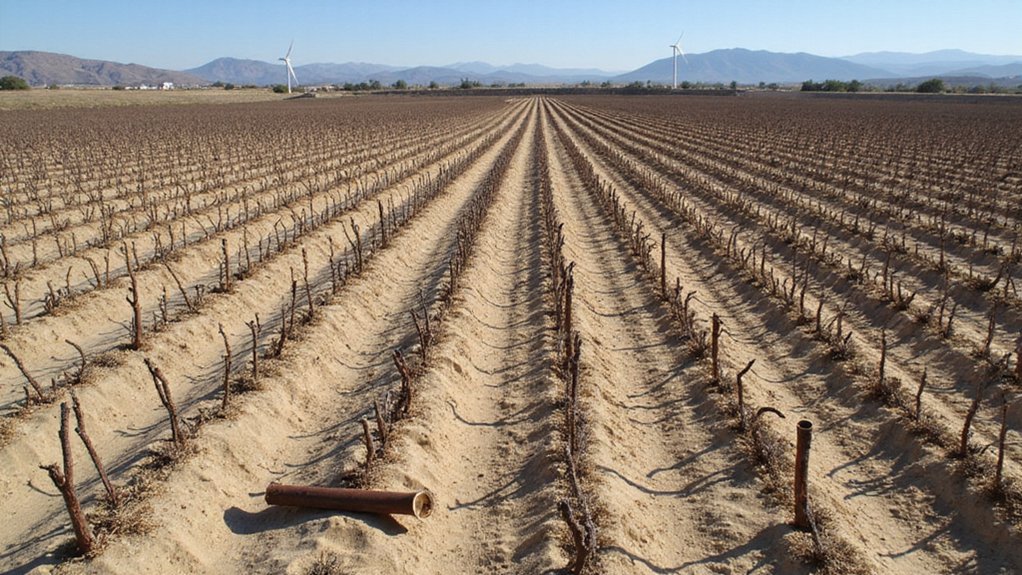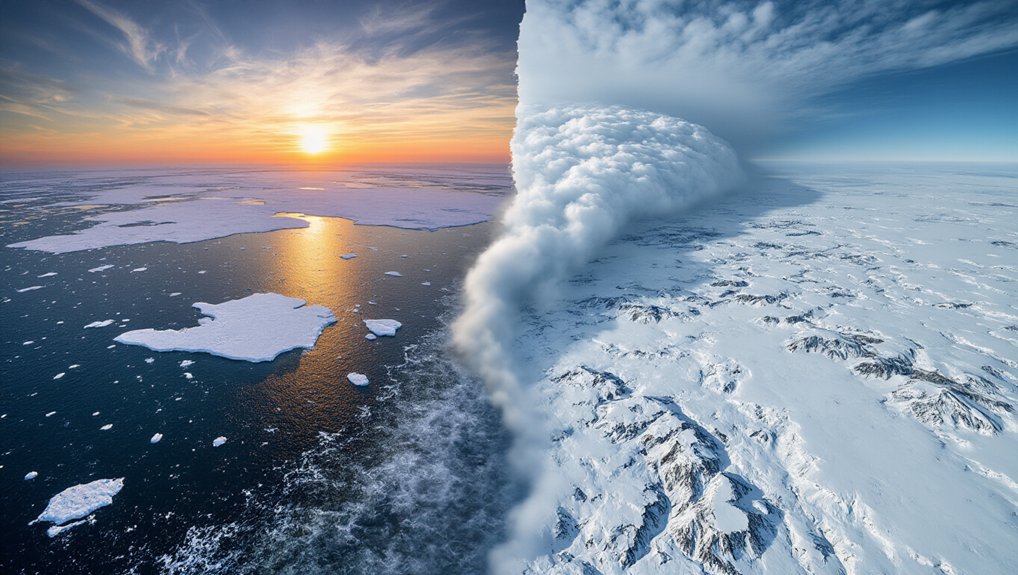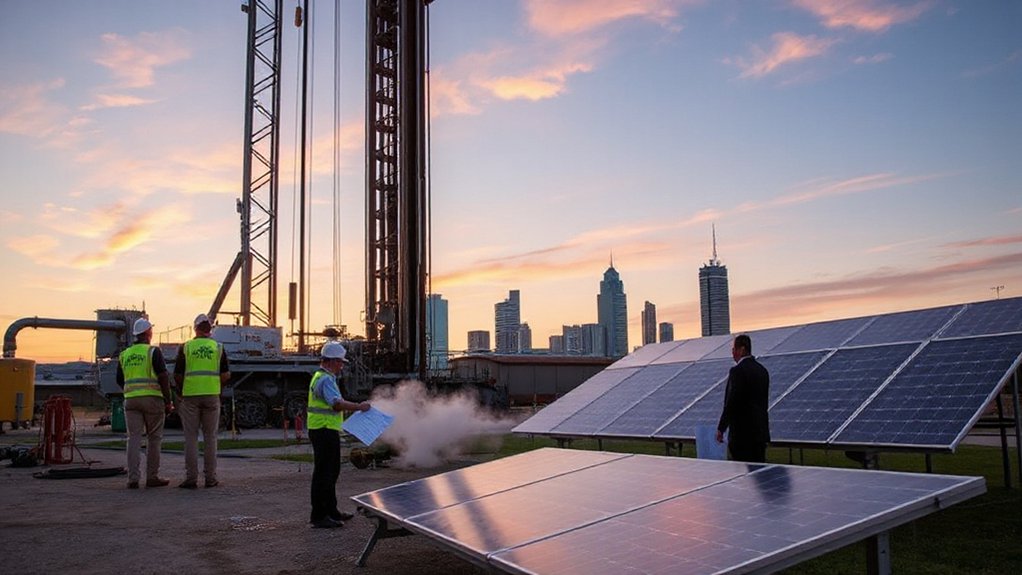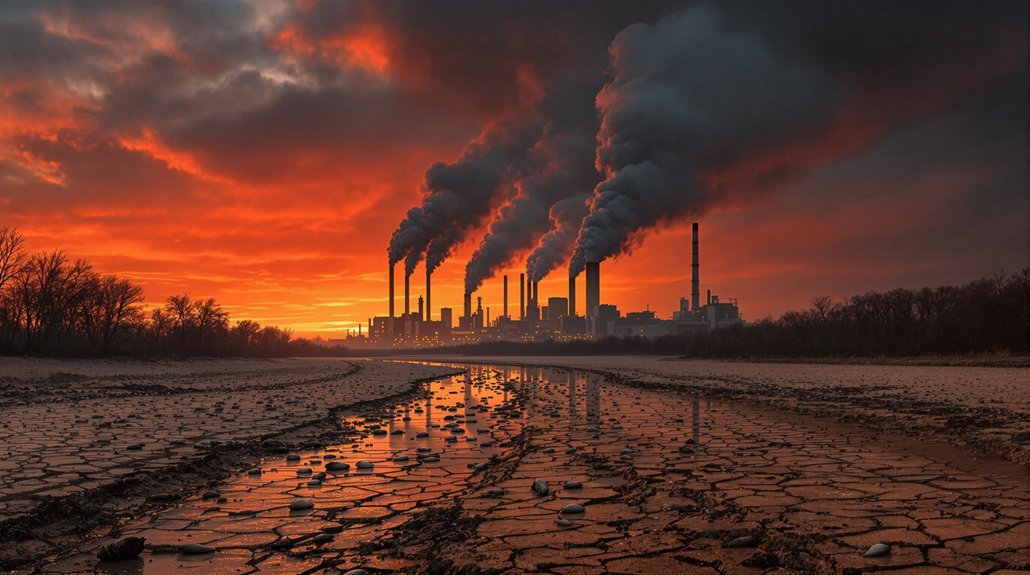
Earth’s climate alarm bells are ringing louder than ever. Scientists report that 2023 saw greenhouse gas emissions hit unprecedented levels, with CO2 concentrations continuing to climb. The planet’s response is clear: more intense wildfires, longer heatwaves, and increasingly unpredictable weather patterns worldwide. These aren’t distant threats but current realities affecting communities globally. Despite international agreements to reduce emissions, the gap between promises and actions continues to widen.
Despite global efforts to curb climate change, greenhouse gas emissions have reached alarming new heights in 2023. Global energy-related CO2 emissions increased by 1.1%, totaling 37.4 billion tonnes. Fossil fuel emissions alone are projected to hit a record 36.8 billion metric tons, with coal combustion responsible for over 65% of this increase.
The atmosphere is showing clear signs of strain. CO2 concentrations have risen 11.4% over the last two decades. In 2023, record atmospheric levels were recorded not just for carbon dioxide, but also for methane and nitrous oxide. Scientists point to El Niño conditions and extensive wildfires as contributing factors to these unprecedented concentrations. Current carbon dioxide levels of 421 parts per million are the highest in 2 million years, threatening ecological stability for many species.
Temperature records tell a similar story. An astonishing 86 days in 2023 surpassed 1.5°C above pre-industrial levels. September 2023 was particularly significant, setting a new monthly temperature record that exceeded the previous high by 0.5°C, reaching 1.8°C above pre-industrial levels.
Canada’s worst wildfire season on record highlights regional impacts of these trends. All economic sectors contributed to the global greenhouse gas emissions record of 57.4 GtCO2e in 2022. Adding to the concern, natural carbon sinks like forests are showing diminished effectiveness as they face climate stress. The global hydropower shortfall due to widespread droughts has further exacerbated emissions by adding 170 Mt to the total.
These developments create serious challenges for international climate goals. The persistent rise in emissions widens the gap between current trends and the cuts needed to meet Paris Agreement targets. The long atmospheric lifetime of CO2 means further temperature increases are inevitable in coming decades. Current CO2 levels are comparable to those from 3-5 million years ago when temperatures were 2-3°C higher than today.
At COP 28 in 2023, nations conducted the first global stocktake under the Paris Agreement, emphasizing the need for improved emissions monitoring. The World Meteorological Organization and Intergovernmental Panel on Climate Change continue to underscore the urgency of deeper emission cuts.
While year-over-year growth may have slowed slightly in 2023, the overall trajectory remains upward, not plateauing as hoped. Scientists warn that the extreme weather events we’re witnessing are early indicators of more severe impacts to come.