
Delhi officials have proposed a drastic ban on new gas-powered two-wheelers starting August 2026. Part of “EV Policy 2.0,” the plan would stop registration of petrol, diesel, and CNG two-wheelers while commercial three-wheelers face a 2025 ban. Lower-income residents reliant on affordable bikes might struggle. The government’s offering incentives up to $350 for electric alternatives. Breathing Delhi’s air is like smoking multiple cigarettes daily. The battle for cleaner air comes with a price tag.
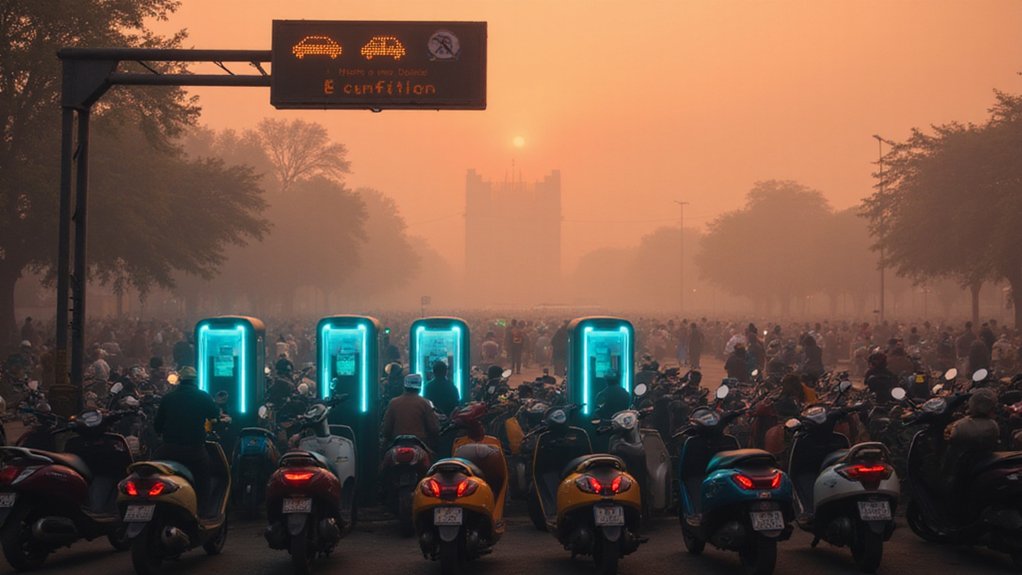
Delhi’s war on pollution just kicked into high gear. The capital’s draft EV Policy 2.0 proposes banning all new petrol, diesel, and CNG two-wheeler registrations starting August 15, 2026. No more new gas motorcycles or scooters. Period.
Delhi’s pollution gambit: a total ban on new gas-powered two-wheelers by 2026. Breathe or bust.
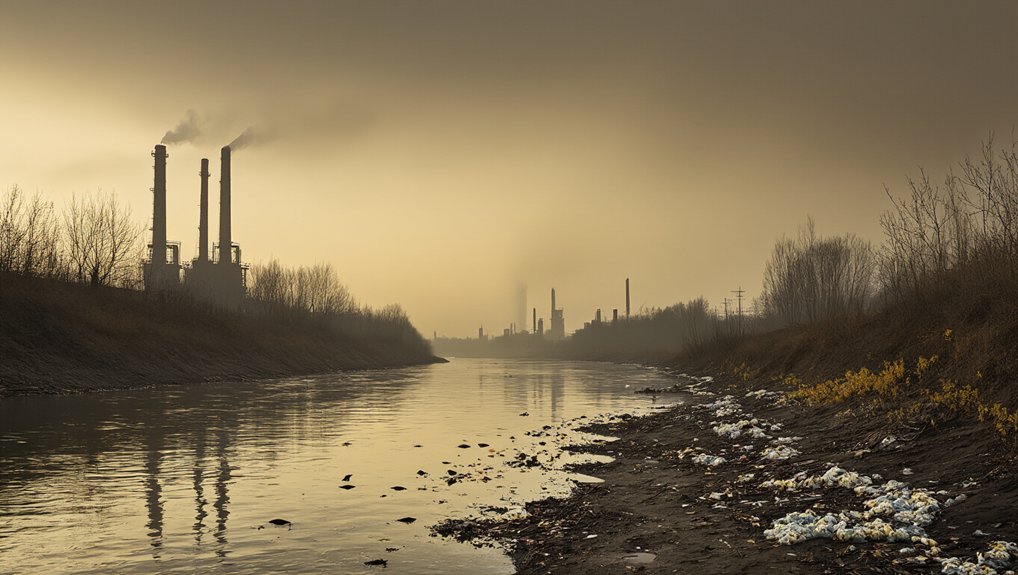
This isn’t just some half-hearted environmental gesture. Delhi, choking on its own fumes, consistently ranks among the world’s most polluted cities. Something had to give. Commercial three-wheelers get hit even sooner, with their ban kicking in by August 2025. Existing vehicles can stay on the road—for now.
The shift won’t be painless, especially for lower and middle-income residents who rely on affordable gas-powered bikes for daily commutes. After 2026, it’s electric or nothing for new purchases. Used petrol bikes might suddenly become hot commodities. Funny how pollution solutions always seem to hit average folks first.
Officials aren’t just dropping prohibitions and walking away, though. The policy includes tax waivers and financial incentives to ease the electric shift. Every household will apparently need at least one electric vehicle as a third car—because everyone in Delhi has multiple cars, right? This approach mirrors the global trend where renewable energy surpassed coal in electricity generation, showing a significant shift toward cleaner power sources.
Older CNG auto-rickshaws face retrofitting requirements or replacement. Private vehicle owners already possessing two vehicles will be restricted to electric cars for any new purchases. Market disruption is inevitable. Dealers and manufacturers are scrambling to pivot toward electric options faster than originally planned.
The policy still awaits final cabinet approval and could see revisions. But the direction is clear: Delhi wants to lead India’s electric mobility transformation. No gas-powered registration certificates after the deadline. No exceptions.
For a city where breathing the air equals smoking several cigarettes daily, this radical approach might actually make sense. Vehicle emissions contribute massively to Delhi’s toxic air cocktail.
Will it work? Maybe. Will it hurt? Definitely. But Delhi residents might eventually breathe easier if the plan succeeds—assuming they can afford the electric alternatives. The government is offering cash incentives of up to $350 for those purchasing electric bikes and scooters. Clean air comes at a price. Always does.
References
- https://timesofindia.indiatimes.com/auto/news/only-ev-two-wheelers-allowed-in-delhi-after-aug-26-ev-policy-2-0-draft-explained/articleshow/120119627.cms
- https://www.autocarpro.in/news/delhi-to-ban-gasoline-two-wheelers-by-2027-cap-fuel-cars-per-home-in-ev-push-reuters-126070
- https://www.angelone.in/news/will-two-wheelers-be-banned-in-delhi-new-ev-policy
- https://timesofindia.indiatimes.com/city/delhi/no-ban-on-cng-autos-and-petrol-bikes-for-now/articleshow/120319907.cms
- https://www.business-standard.com/india-news/delhi-petrol-two-wheeler-ban-ev-policy-2026-electric-scooter-shift-125032100632_1.html