Toyota is investing $88 million in West Virginia to boost hybrid vehicle production, despite critics calling the technology outdated. The Japanese automaker has championed hybrids since 1997, selling millions while competitors play catch-up. Their system combines gas engines with electric motors for 50+ MPG without plugging in. It’s creating jobs in traditional manufacturing regions and reducing emissions. Not zero-emission, sure, but try finding a charging station in rural America anyway.
Toyota isn’t backing down from its hybrid strategy. In fact, the automaker just threw $88 million at its West Virginia operations to keep churning out those hybrid powertrains critics love to call “outdated.” Seems they missed the memo about hybrids being yesterday’s news.
The company’s stubbornness makes a weird kind of sense. They’ve been at this hybrid game since 1997, back when most automakers thought electrification was science fiction. Now they’ve sold millions of these part-gas, part-electric vehicles. The competition’s been playing catch-up ever since.
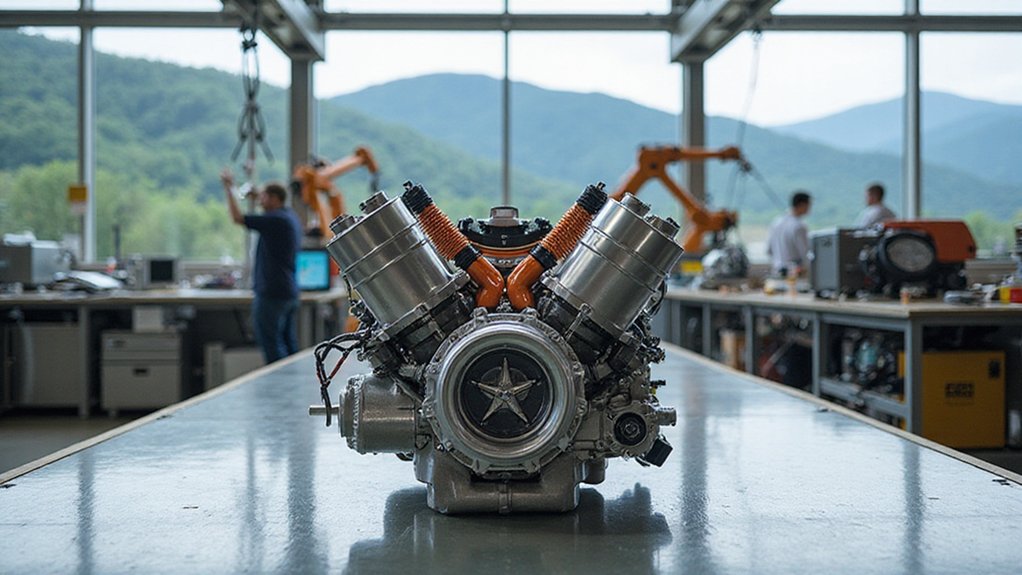
Their system is pretty clever, actually. A gas engine pairs with an electric motor and generator, all managed by a power control unit and fancy gearbox they call a “power split device.” No plugs needed—unless you spring for the plug-in version. The car charges itself through regenerative braking and engine power while you drive. Magic.
These hybrids routinely crush the 50 MPG barrier, which isn’t too shabby considering America’s love affair with gas-guzzlers. The electric component gives you instant torque—that satisfying push-you-back-in-your-seat feeling without burning extra fuel. And they’re quiet. Almost eerily so at low speeds.
Toyota’s hybrids deliver potent, whisper-quiet acceleration while sipping fuel—a refreshing alternative in our gas-hungry automotive culture.
West Virginia workers probably aren’t complaining about Toyota’s commitment to “obsolete” technology. Jobs are jobs. And hybrid production creates plenty of them. With the rise of sustainable energy sectors creating diverse job opportunities worldwide, Toyota’s investment helps secure employment in traditional auto manufacturing regions.
For consumers, the math is simple. Lower fuel costs. Reduced maintenance expenses thanks to regenerative braking saving your conventional brakes. No range anxiety or hunting for chargers like pure-electric owners.
Environmentally, these things make sense too. Less gasoline burned means fewer emissions pumped into the atmosphere. Not zero emissions, but considerably better than your neighbor’s all-gas SUV. Toyota’s engines also use the more efficient Atkinson cycle design, which produces less heat and uses less fuel than conventional engines.
Toyota’s bet looks especially smart in places with sparse charging infrastructure. Can’t find a plug? No problem—just fill the tank like normal and let the hybrid system do its thing.