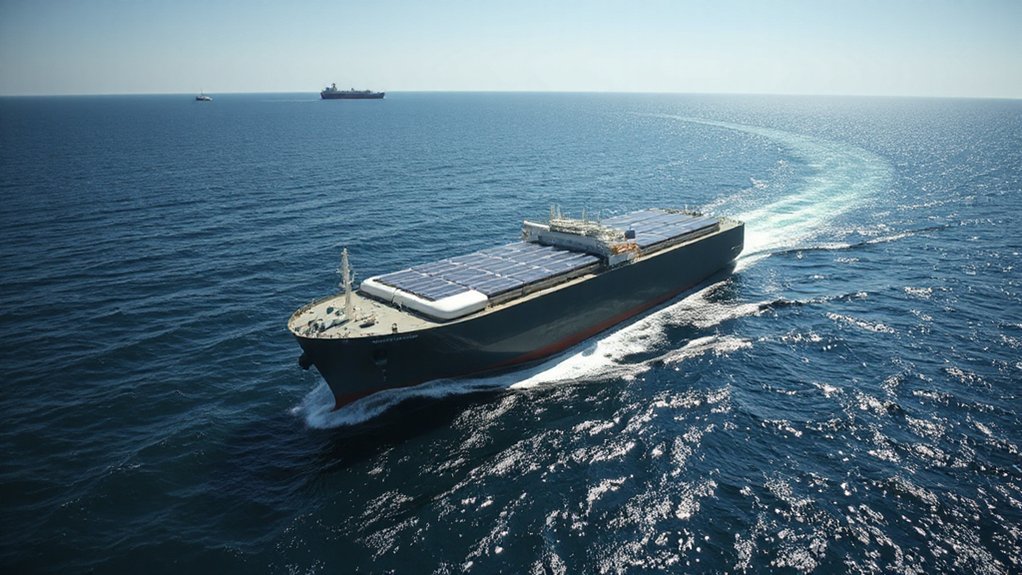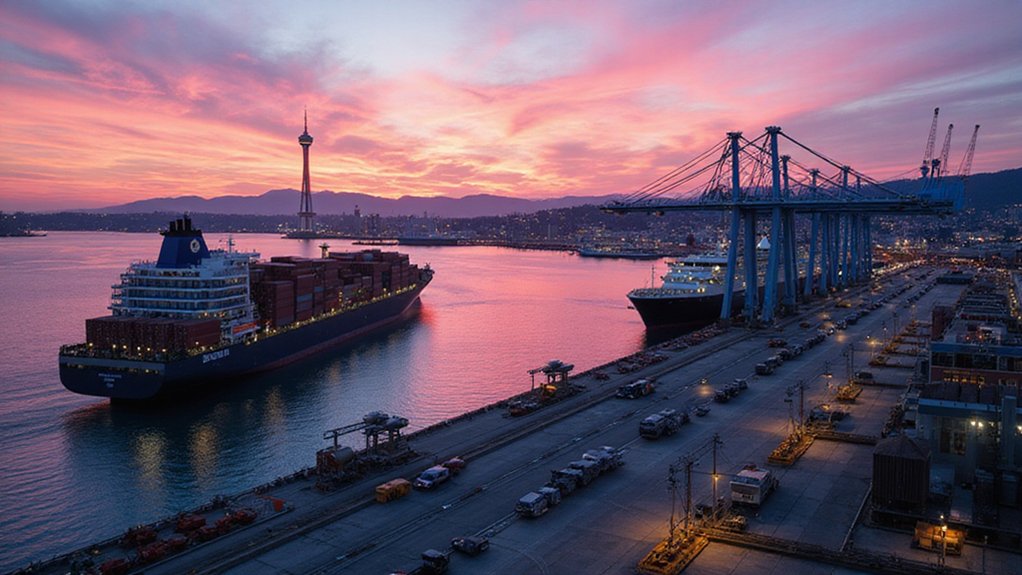
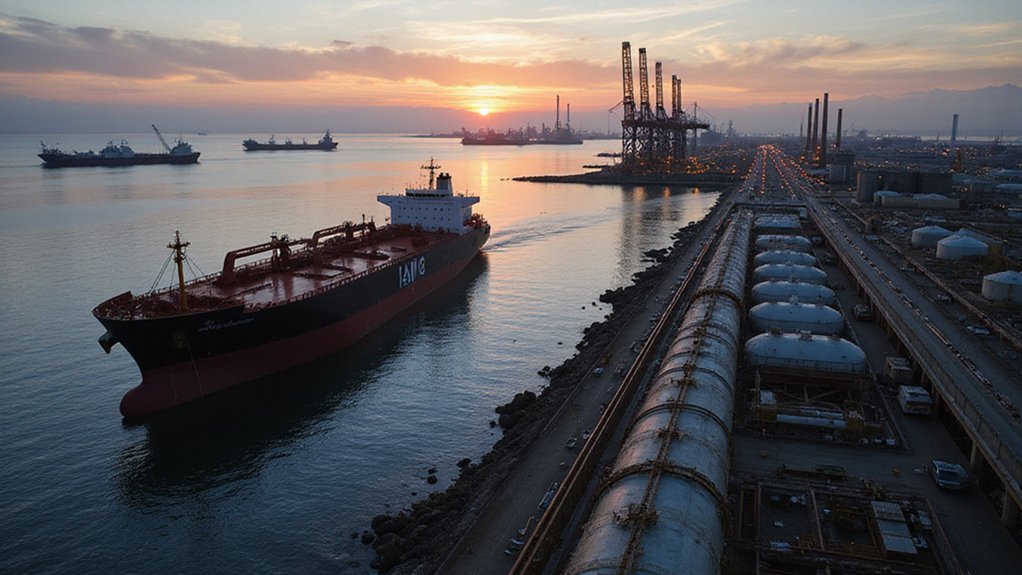
Seattle’s port is bracing for a massive electricity shake-up. Demand will quadruple by 2050—no joke. Officials aren’t messing around, pouring $44 million into shore power installations while the city kicks in another $3.5 million. The transformation includes submersible cables, electrical vaults, and expanded ductbanks. Environmental benefits? Huge. Economic impact? New jobs in construction and green tech. This isn’t just an upgrade—it’s Seattle’s power play for maritime dominance.
Nearly every inch of Seattle’s bustling port is about to get a high-voltage makeover. Port officials are bracing for an unprecedented quadrupling of electricity demand by 2050, a surge that will transform how the entire maritime industry operates in Puget Sound. Yeah, you read that right—four times more power. Not exactly a small upgrade.
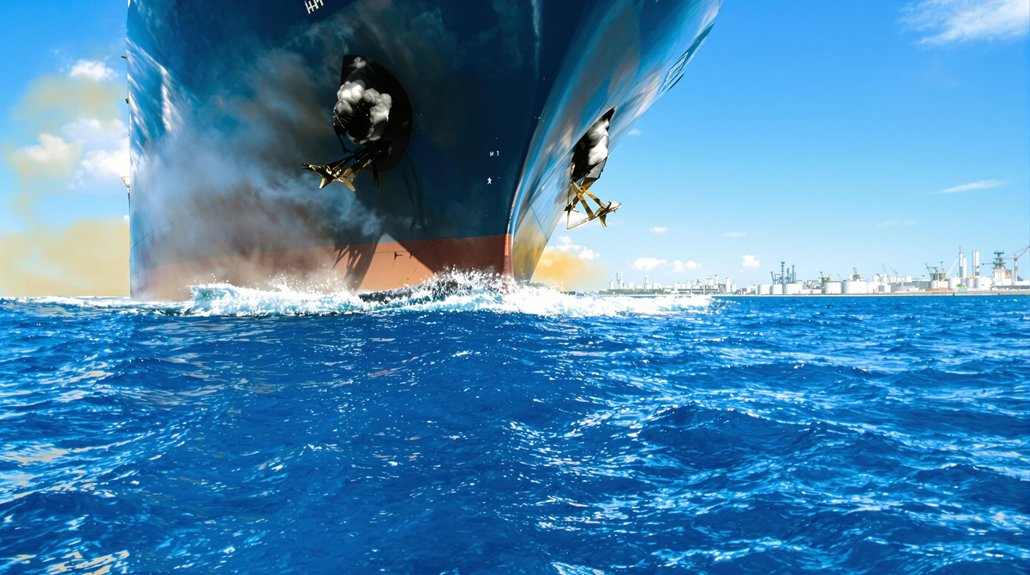
The Port of Seattle isn’t waiting around. They’re already pumping $44 million into shore power installations that let docked vessels plug into the grid instead of belching diesel fumes into the atmosphere. Add another $3.5 million from the city, and Pier 66 will soon make Seattle one of the first cruise ports in America with shore power at every berth. About time.
These aren’t just feel-good environmental projects. The maritime sector spews serious pollution. Ships sitting at dock burning diesel are basically floating smokestacks. The electrification initiative promises dramatic cuts in greenhouse gases and soot that currently waft over nearby neighborhoods. Local residents might finally breathe easier. Literally.
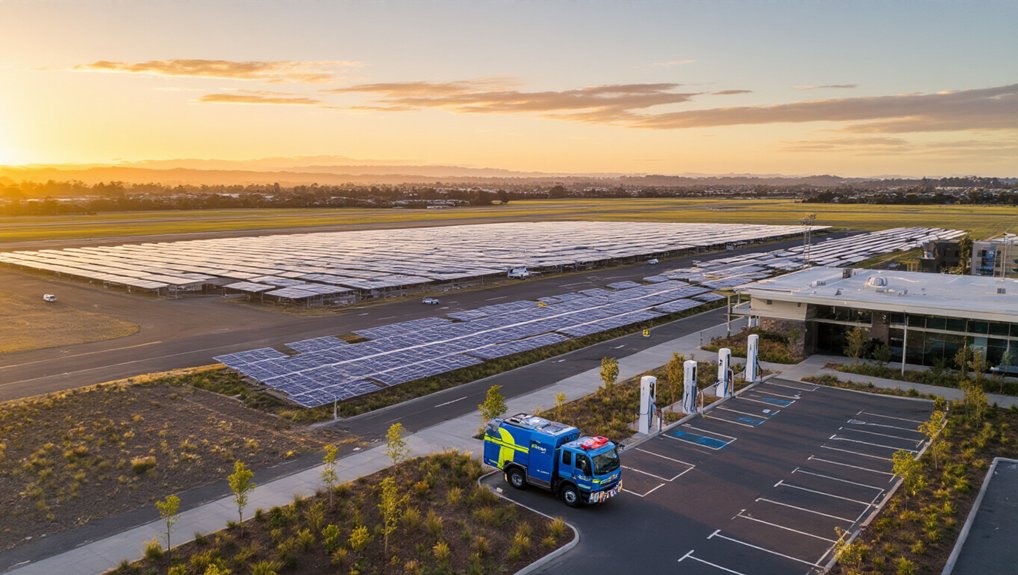
Behind the scenes, a massive infrastructure overhaul is underway. Submersible cables, electrical vaults, expanded ductbanks—boring stuff that matters. City Light is beefing up the grid to handle multiple marine agencies simultaneously. They’re not just planning for tomorrow; they’re building for 2050.
The economic upside looks promising too. New jobs in construction, engineering, and green tech. Long-term savings from ditching expensive diesel. More reliable operations. Win-win-win.
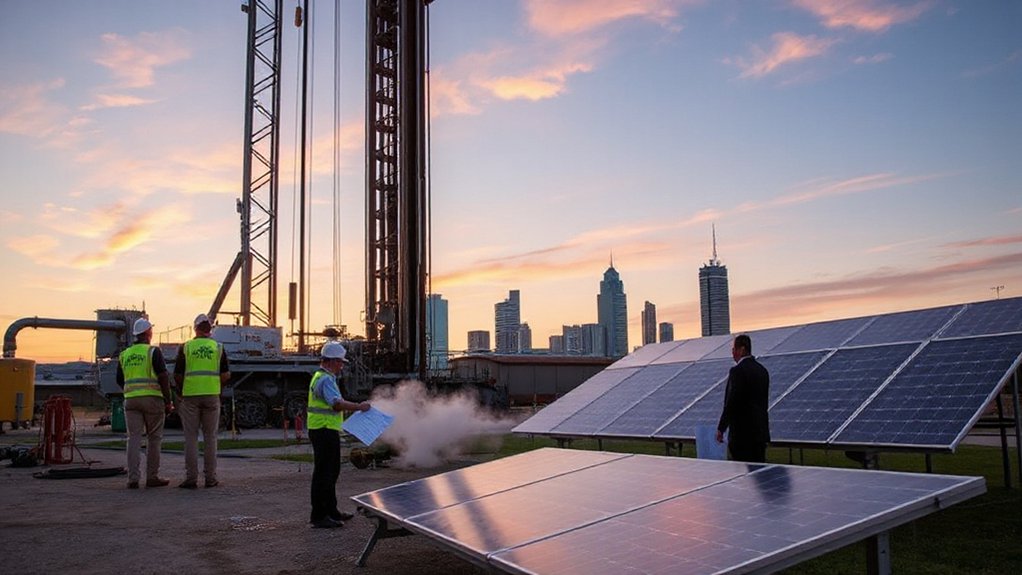
The Innovation Center at historic Fishermen’s Terminal showcases what’s possible when old maritime meets new technology. This shift toward electrification mirrors the consistency and reliability of geothermal energy systems that maintain stable power regardless of weather conditions. It’s not all smooth sailing, though. Coordinating between the port, city, utility companies, and various marine agencies requires serious bureaucratic gymnastics.
Still, Seattle is positioning itself as North America’s greenest port. Ambitious? Sure. Necessary? Absolutely. The maritime industry is finally plugging into the future—whether it’s ready or not. The estimated total investment needed ranges from 208 to 457 million dollars by 2050 to make this vision a reality. In 2019 alone, ships using shore power technology at Terminal 91 achieved greenhouse gas reductions equivalent to removing 30 road trips from Seattle to New York.
References
- https://www.portseattle.org/news/port-electrification-strategy-prepares-energy-transition-and-future-power-needs-2050
- https://www.portseattle.org/blog/past-present-and-future-shore-power
- https://powerlines.seattle.gov/2024/10/21/maritime-electrification-in-seattle-a-path-to-a-sustainable-future/
- https://www.nationalfisherman.com/west-coast-pacific/port-of-seattle-moves-forward-on-electrification
- https://harrell.seattle.gov/2024/07/02/mayor-harrell-advances-legislation-establishing-shore-power-agreement-with-port-of-seattle-for-pier-66/