Why are Illinois residents bracing for a shock when they open their electric bills next summer? Electricity costs are set to surge across the state during summer 2025, with projections showing residential bill increases of 18% to 22% during peak months.
Illinois faces a power price crisis with summer 2025 bills projected to jump 18-22%, hitting households when they need electricity most.
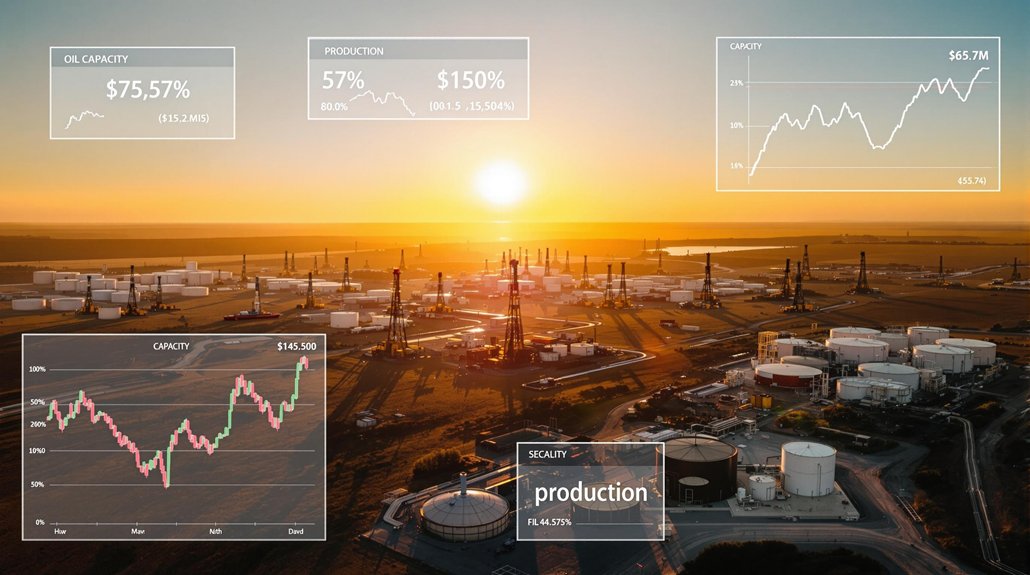
The Midcontinent Independent System Operator (MISO), which manages the power grid for much of Illinois, is forecasting a major spike in capacity prices. These are the costs utilities pay to guarantee enough electricity is available during high-demand periods. ComEd, a major utility provider, reports facing an 800% increase in these capacity costs alone.
In Geneva, Illinois, officials have already announced a new energy rate of 11.6 cents per kilowatt hour (kWh) for next summer. This reflects the rising costs affecting communities throughout the state. Current Illinois electricity rates range from 9.3 to 22 cents per kWh, varying by provider and location. With the current average residential bill at $100.88 per month, many families will see significant budget impacts from the projected increases.
Republican lawmakers in Illinois have responded by requesting hearings to review the state’s energy policies. They’re questioning whether the 2021 energy bill is meeting its goals for affordability and reliability. GOP members want expert testimony to help determine what policy changes might be needed before summer demand hits its peak.
The price increases stem from a combination of supply challenges and grid reliability concerns. MISO, which sets peak-load supply prices, must guarantee there’s enough electricity during the hottest days when air conditioners run constantly. The higher capacity costs reflect this balancing act. A significant portion of this available capacity comes from fossil fuel sources, with 48% from natural gas and 18% from coal, while renewable sources like wind and solar contribute only 1%.
For average consumers, these increases create real financial pressure. Many households, especially those with low or moderate incomes, will struggle with the higher bills. ComEd’s current Price to Compare is 6.552 cents per kWh for supply and transmission, but summer 2025 rates will likely be much higher. The state’s growing reliance on renewable energy poses challenges due to the intermittent nature of solar and wind power, requiring costly backup generation during periods of low production.
The situation has prompted increased interest in energy-saving measures as residents look for ways to reduce consumption during what’s expected to be an expensive summer for electricity in Illinois.
References
- https://www.citizensutilityboard.org/blog/2025/05/09/cub-qa-capacity-price-spike-means-comed-supply-price-will-shoot-up-june-2025/
- https://poweroutage.us/electricity-rates/il
- https://plugin.illinois.gov/understanding-the-price-to-compare/price-to-compare-comed.html
- https://www.geneva.il.us/CivicAlerts.aspx?AID=3826
- https://repbunting.com/2025/05/06/working-to-prevent-an-electricity-price-spike/