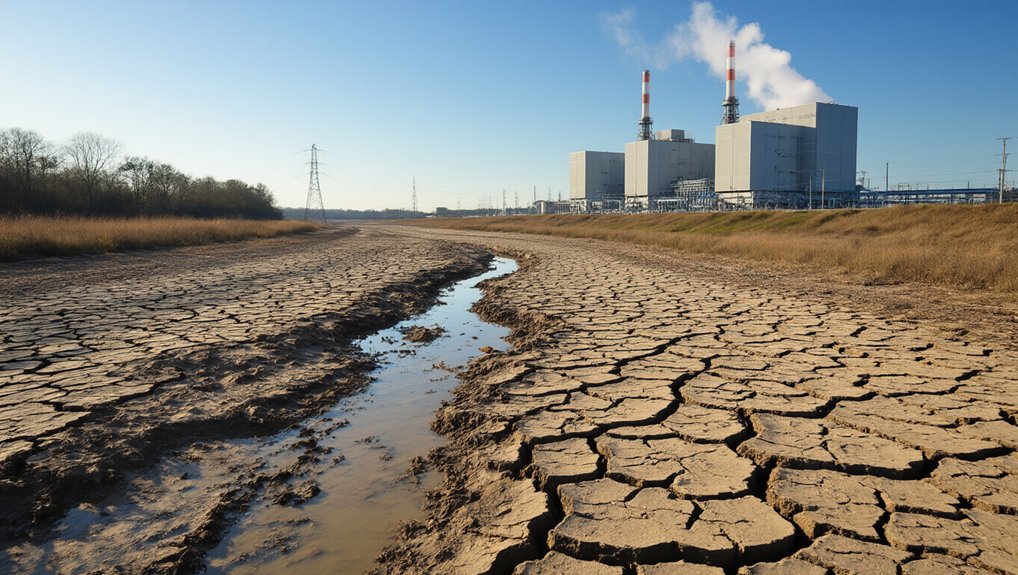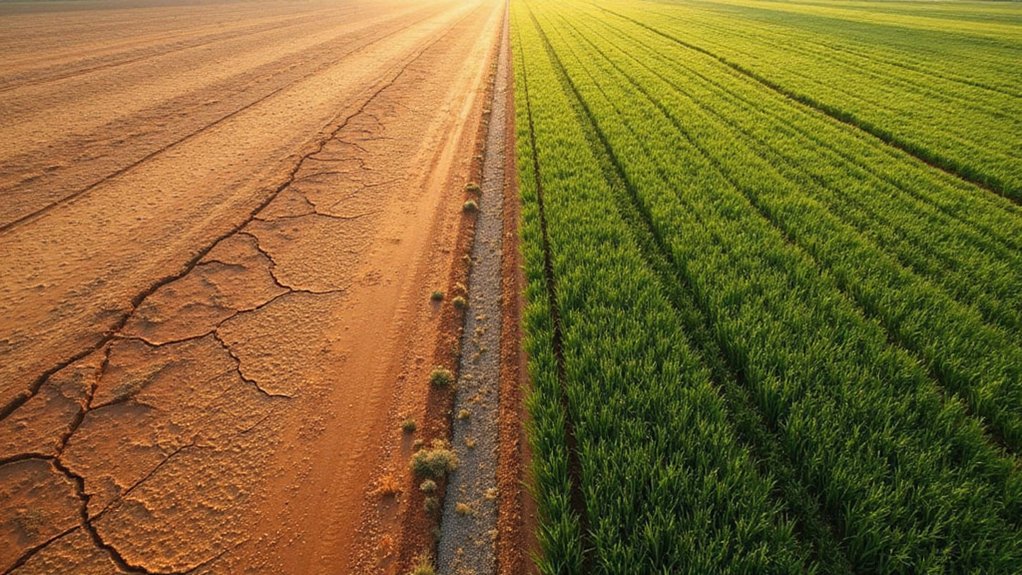
European capitals are scrambling to deal with a water crisis that nobody saw coming—except everyone who’s been paying attention. Cities like London, Paris, Berlin, Stockholm, and Istanbul now face drought risks that would’ve seemed impossible a decade ago. Climate whiplash is the new normal, with floods one month and dust bowls the next.
Berlin got a taste of the future on April 30, 2025, when a burst water main left thousands without water for hours. Not exactly the apocalypse, but close enough when you can’t flush your toilet or make coffee. The infrastructure failure showed just how fragile these systems really are. One broken pipe, and suddenly everyone’s reminded that water doesn’t magically appear from taps.
The EU keeps talking about being “well on track” for its environmental goals. Teresa Ribera, the European Competition and Climate Chief, sounds optimistic about hitting that 55% emissions reduction by 2030. Great. But emissions targets don’t fill empty reservoirs or fix aging water pipes that weren’t built for this kind of stress.
Meanwhile, Vilnius just won the 2025 European Green Capital award. They’re using tech-oriented citizen engagement for water management and aiming for climate neutrality by 2030. Smaller cities like Viladecans in Spain and Treviso in Italy snagged Green Leaf awards too. Nice trophies, but the drought doesn’t care about your sustainability certificates. Madrid, ranked second among drying European cities, has seen severe water restrictions implemented as reservoirs dip to critical levels.
The reality is stark. European cities built for predictable rainfall patterns now face alternating floods and droughts. Water systems designed generations ago can’t handle the climate’s mood swings. Urban planners are scrambling to adapt, incorporating water management into broader sustainability frameworks. The Zero Pollution Action Plan started in 2021 includes actions aimed at cleaner water by 2050, but that timeline feels like a luxury when cities are rationing today. Translation: they’re trying to figure out how to keep the taps running when the weather goes haywire.
The EU says member states need to shift consumption patterns, use resources more efficiently, and integrate environmental targets with quality of life. Sounds reasonable. But policy frameworks and updated climate plans don’t mean much when the water stops flowing. Ask anyone in Berlin who couldn’t shower that April morning. They’ll tell you exactly what climate adaptation means in real terms.
References
- https://www.eea.europa.eu/en/newsroom/news/eu-advancing-on-2030-zero-pollution-targets-but-stronger-action-is-needed
- https://www.euronews.com/green/2025/03/12/what-is-climate-whiplash-new-report-reveals-dangers-of-flooding-and-drought-in-european-ci
- https://www.wsws.org/en/articles/2025/05/07/7aba-m07.html
- https://www.politico.eu/article/eu-emissions-goal-2030-climate-energy-goals/
- https://environment.ec.europa.eu/news/winners-european-green-city-awards-2025-2023-10-05_en