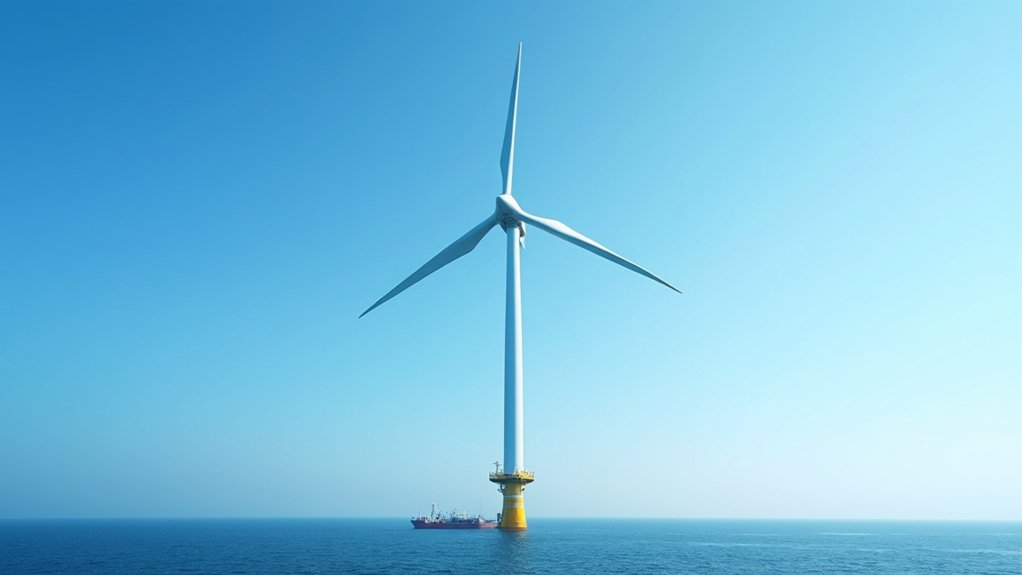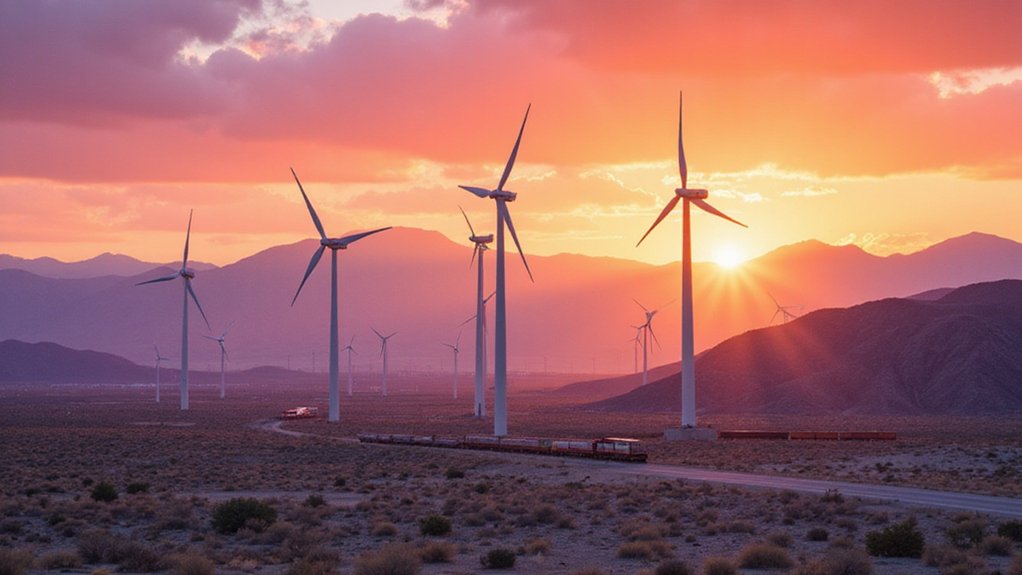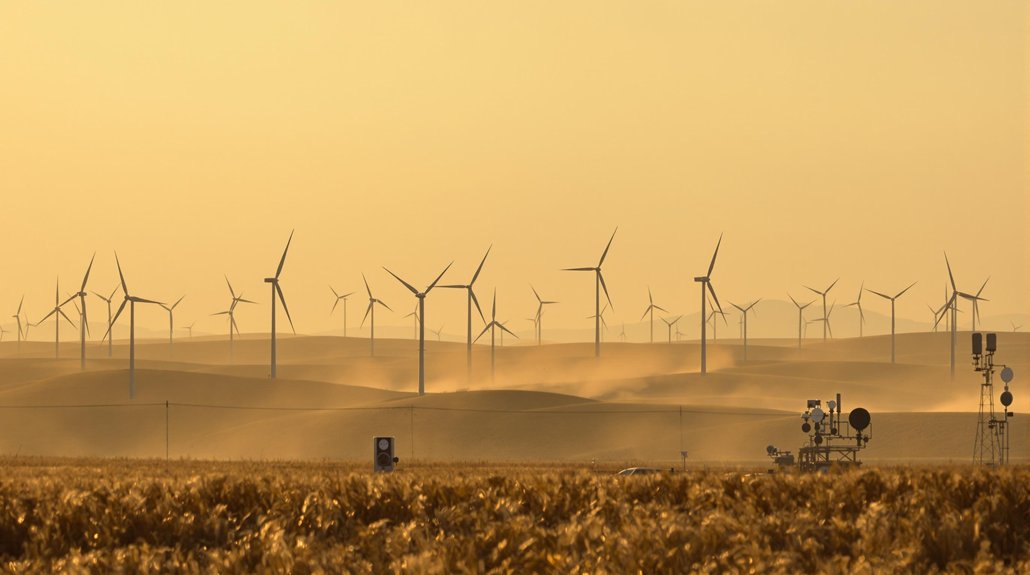
Three climate-shifting concerns loom over the wind energy sector these days, and “dead wind zones” might be the most troubling. Scientists are tracking areas where wind speeds have dropped below levels needed for turbines to function properly. Not exactly the news renewable energy advocates wanted to hear.
These zones aren’t random—they’re tied directly to climate change disrupting global atmospheric patterns and weakening temperature gradients.
The economic fallout? Brutal. Wind farms in affected regions are seeing major drops in output. Capacity factors plummet. Suddenly those expensive turbines aren’t producing enough electricity to justify their cost. Talk about irony—climate change sabotaging the very technologies designed to fight it.
Wind power’s cruel paradox: climate change killing profitability of the very technology meant to combat it.
Europe and parts of Asia are particularly vulnerable. Regions once considered wind paradises are now facing the equivalent of a meteorological drought. Offshore installations aren’t immune either. The wind resource maps that guided billions in investments? Increasingly outdated. Whoops.
The ripple effects spread through entire power systems. Grid operators scramble to find backup generation when the wind mysteriously disappears. Energy storage becomes not just nice-to-have but essential. Transmission lines built specifically for wind farms sit underutilized. Money down the drain.
What’s the fix? Engineers are developing turbines that can operate in lower wind conditions—necessity breeding invention and all that. Companies are diversifying geographically, hoping that when one region goes still, another will pick up the slack. Smart strategy, assuming there’s still enough wind to go around.
The clean energy evolution needs wind power to succeed. No way around it. Modern turbines require wind speeds of 6-55 mph to operate efficiently, making these dead zones particularly problematic. But climate change is changing the playing field, moving the goalposts, and rewriting the rules all at once.
The industry will adapt—it has to. Next-gen turbines, better forecasting, hybrid plants combining wind with solar and storage. This diversification is crucial since wind power represents approximately one-seventh of renewable energy in the global primary energy mix. Despite these challenges, wind power remains a powerful economic driver, having generated over 300,000 American jobs through its rapid expansion. Still, it’s a race against time. And against the very force these turbines were designed to harness.