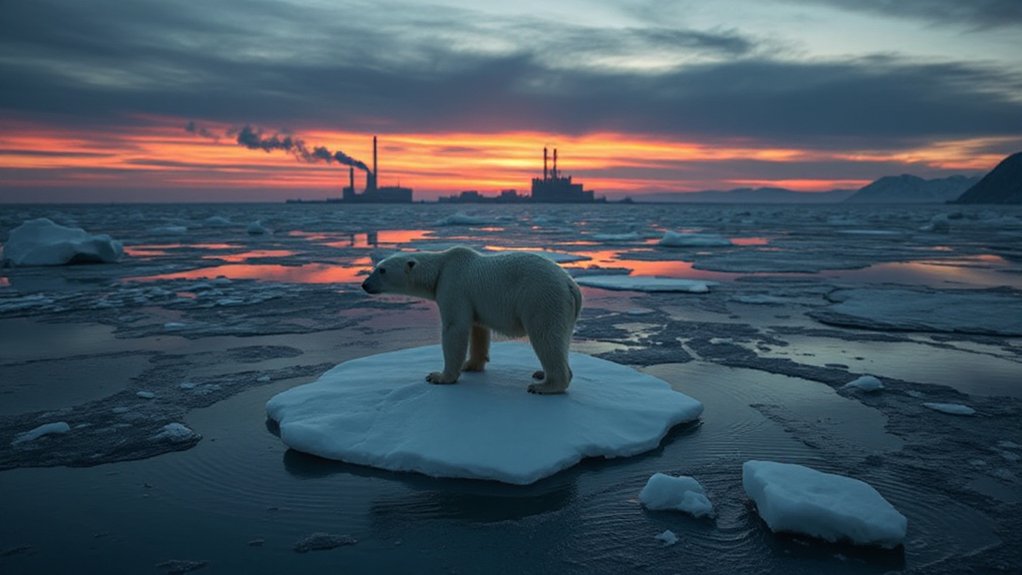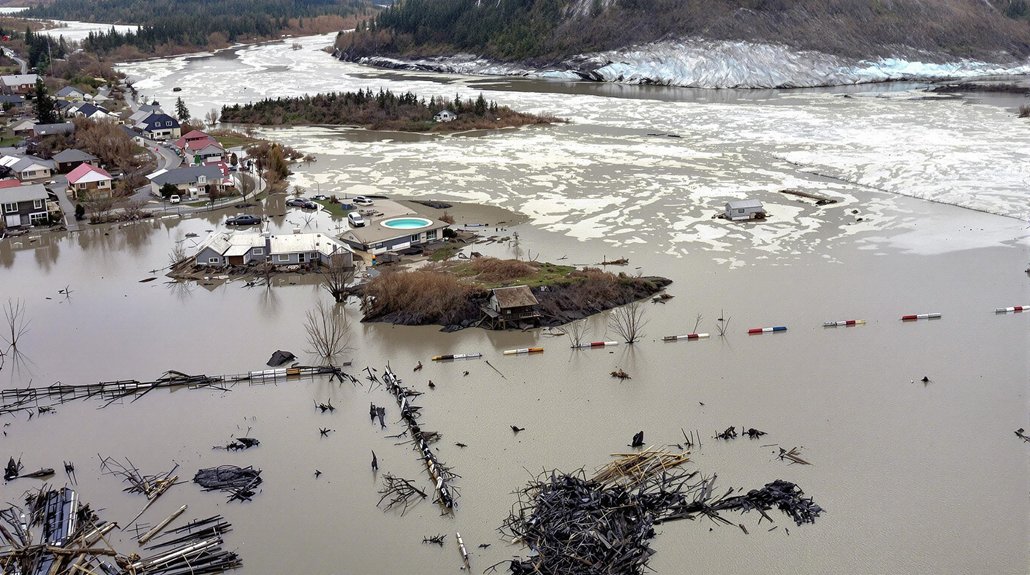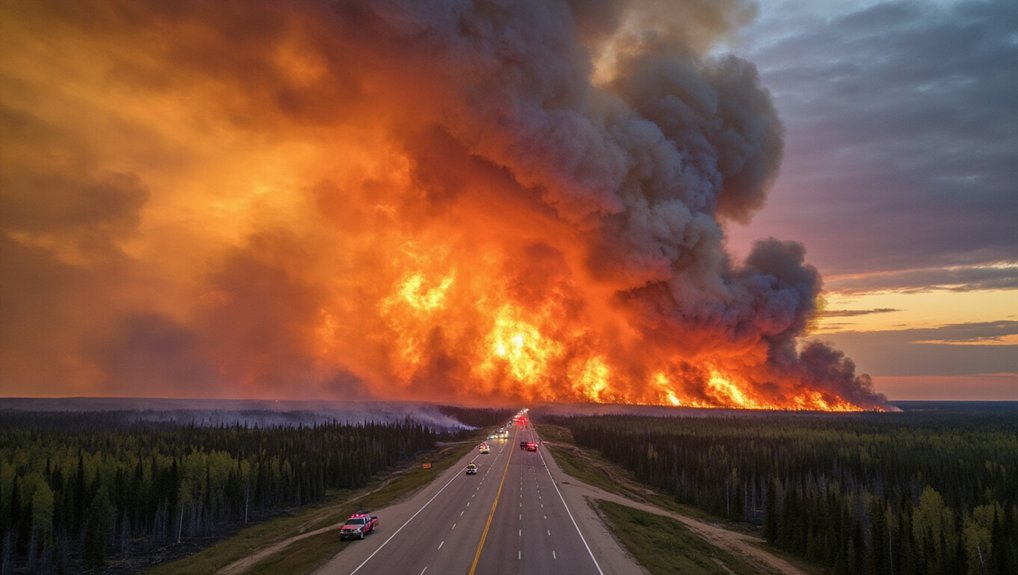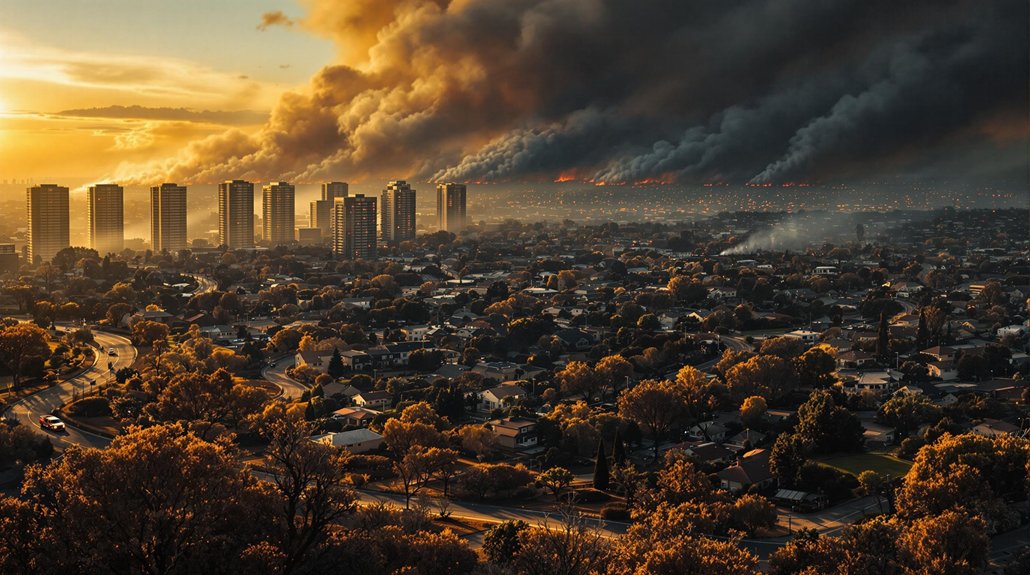
Fiery temperatures in one of Earth’s coldest regions are becoming the new normal. Scientists have recorded an average of 11 Arctic marine heat waves from 2007 to 2021. These events pushed water temperatures 2.2°C above the annual mean. Since 2015, these heat waves have occurred every year, typically lasting about 37 days each.
The most powerful heat wave struck in 2020. It continued for 103 days and reached temperatures 4°C higher than the long-term average. Researchers say there’s less than a 1% chance these extreme events would happen without human-caused greenhouse gases. The future looks even hotter, with projections showing these heat waves will become routine.
The 2020 Arctic heat wave lasted over 100 days with temperatures 4°C above average—virtually impossible without human influence.
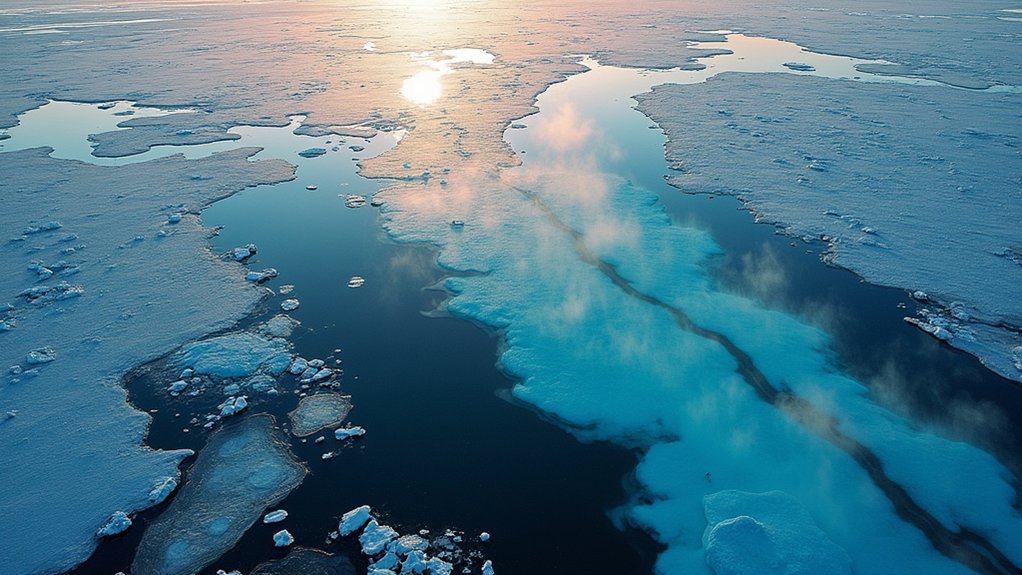
What’s causing this dramatic shift? Early and fast sea ice melt after winter creates perfect conditions for heat waves. The Arctic now has more thin, year-old ice instead of thick multi-year ice. This newer ice melts faster and allows more solar warming of the ocean surface. Areas with more than 60% sea ice loss show greater heat wave intensity and abruptness. Dr. Armineh Barkhordarian’s research at Universität Hamburg has identified 2007 as the pivotal year when this new phase of Arctic conditions began.
These heat waves don’t simply end – they leave lasting “thermal footprints” that can persist for weeks or months. The Arctic Ocean is warming faster than anywhere else on the planet, with projected summer sea surface temperature increases of nearly 7°C. These extended warm periods put extra stress on Arctic wildlife, which has evolved to thrive in cold conditions. The sudden temperature spikes challenge cold-adapted organisms, often beyond what they can handle.
The impacts reach through entire food webs. From tiny plankton to large mammals, all levels feel the effects at once. Scientists have linked these warm-water periods to major changes in fish populations, zooplankton blooms, and marine mammal movements.
The remaining warmth after heat waves also sets up conditions for future warming. With less ice cover, the ocean absorbs more heat, creating a dangerous cycle. Scientists warn that without cutting greenhouse gas emissions, these Arctic heat waves will continue growing more frequent, intense, and damaging to this fragile ecosystem.
References
- https://www.uni-hamburg.de/en/newsroom/presse/2024/pm10.html
- https://www.nature.com/articles/s41558-024-02224-7
- https://www.colorado.edu/today/2024/09/04/how-earths-most-intense-heat-wave-ever-impacted-life-antarctica
- https://agupubs.onlinelibrary.wiley.com/doi/full/10.1029/2021GL095590
- https://www.accuweather.com/en/weather-news/study-enduring-heat-waves-makes-us-age-faster/1809231