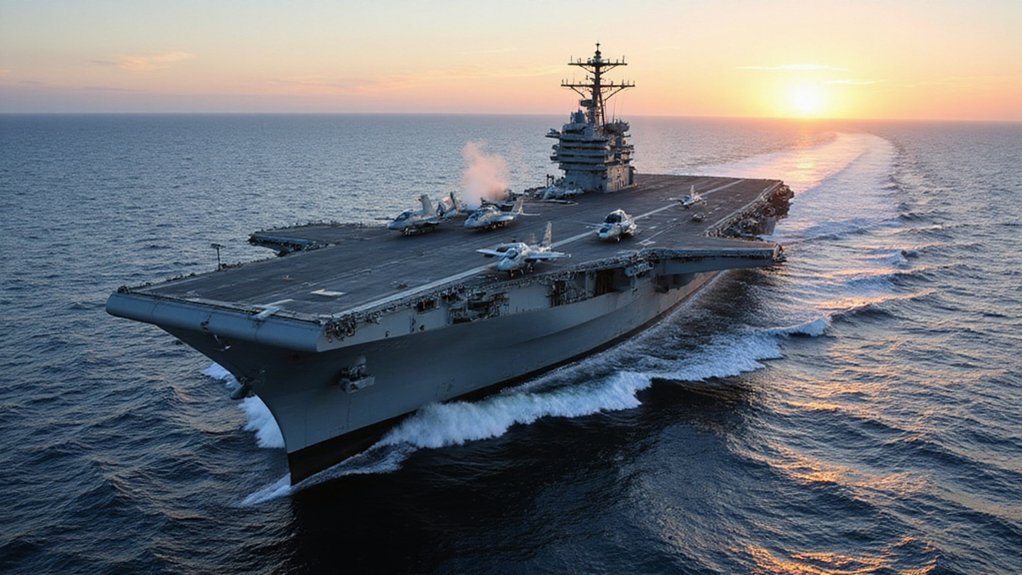
While most ships need to stop for fuel every few days, America’s nuclear-powered aircraft carriers can sail the world’s oceans for decades without refueling their propulsion systems. These massive floating airfields use nuclear reactors that provide power for over 20 years before needing a refuel. This technology gives the U.S. Navy a huge advantage in global operations.
The Nimitz-class carriers showcase this impressive endurance. Their nuclear reactors eliminate the need for frequent refueling stops that conventional ships require. During their 50-year service life, these carriers only need nuclear refueling and overhaul (RCOH) once or twice, though these maintenance periods take several years in dock.
Nuclear technology allows Nimitz carriers to sail for decades, needing only one or two major refuelings during their 50-year lifespan.
USS Enterprise, the first nuclear-powered carrier, operated for 51 years and completed 25 deployments worldwide before retirement. Another notable example is USS Abraham Lincoln, which set records with the longest post-Vietnam carrier deployment. USS Abraham Lincoln’s historic 2002-2003 deployment lasted 290 days and covered over 102,816 nautical miles. These ships routinely cover over 36,000 nautical miles during major deployments without needing propulsion fuel.
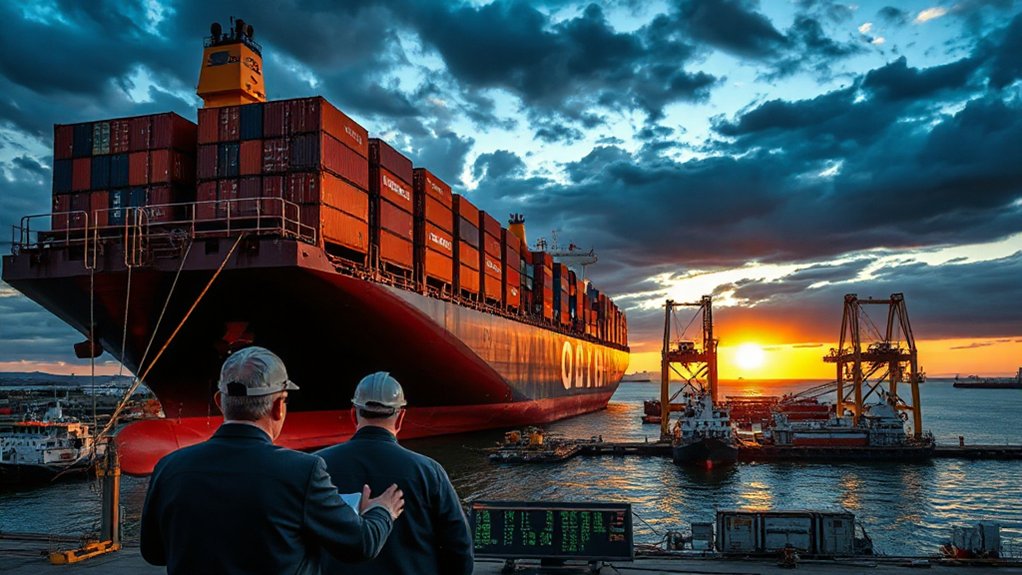
Despite their nuclear power, carriers still need regular resupply for other essentials. Food for the crew, aviation fuel for aircraft, and munitions must be replenished during operations. These supplies come from support ships during underway replenishments at sea. In contrast, conventional carriers like the USS Midway had to make frequent refueling stops, which limited their operational range during critical missions. It’s these consumables, not propulsion fuel, that limit how long carriers can stay deployed.
Nuclear propulsion offers major advantages over conventional oil-fueled carriers. They don’t depend on global fuel supply chains, can travel at high speeds longer, and maintain operational flexibility. They can change course or stay on station regardless of access to refueling ports. This capability is especially valuable in remote or contested regions where supply lines might be threatened.
The nuclear carrier’s unmatched endurance transforms naval operations. While crews typically deploy for 7-8 months, it’s human factors and supplies—not fuel—that determine deployment length. This remarkable technology guarantees America’s carriers remain a persistent global force, ready to respond anywhere, anytime.
References
- https://theaviationgeekclub.com/abes-extraordinary-odyssey-the-story-of-the-longest-deployment-for-an-aircraft-carrier-in-post-vietnam-military-history/
- https://en.wikipedia.org/wiki/USS_Midway_(CV-41)
- http://www.uscarriers.net/cvn72history.htm
- https://www.history.navy.mil/browse-by-topic/ships/aircraft-carriers.html
- https://www.youtube.com/watch?v=oj3oDAvZ2qc