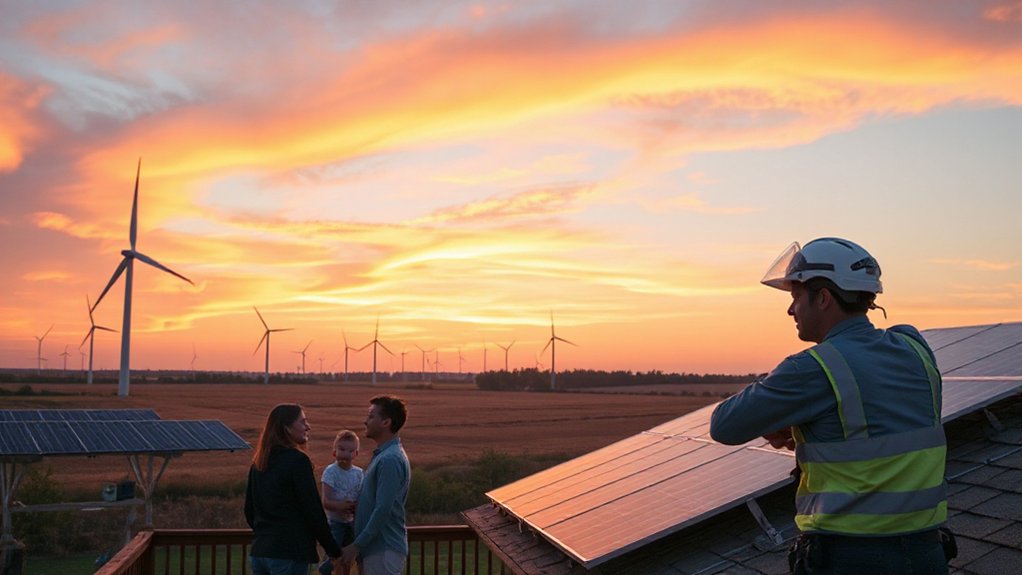

The Prairie State is getting a green makeover. Illinois lawmakers have rolled out Amendment 3 to SB 25, and it’s no small potatoes. This legislation is reshaping everything from utility operations to renewable programs, aiming to drag Illinois—kicking and screaming if necessary—into a clean energy future.
Illinois residents are already seeing the benefits in their wallets. Electric bills averaging $165 monthly sit comfortably below the national average. Not too shabby. But that’s just the beginning of what could become a $13 billion economic windfall as the state charges toward its ambitious goal: 100% clean energy by 2050.
The REV Illinois program is throwing serious weight behind this transformation. Companies jumping on the clean energy bandwagon can score tax breaks lasting up to 30 years. That’s practically a lifetime in the business world! These incentives are already working their magic, with manufacturing facilities like Cache Energy expanding operations across the state. Businesses in underserved areas receive additional benefits under the program, creating even more economic opportunities in communities that need them most.
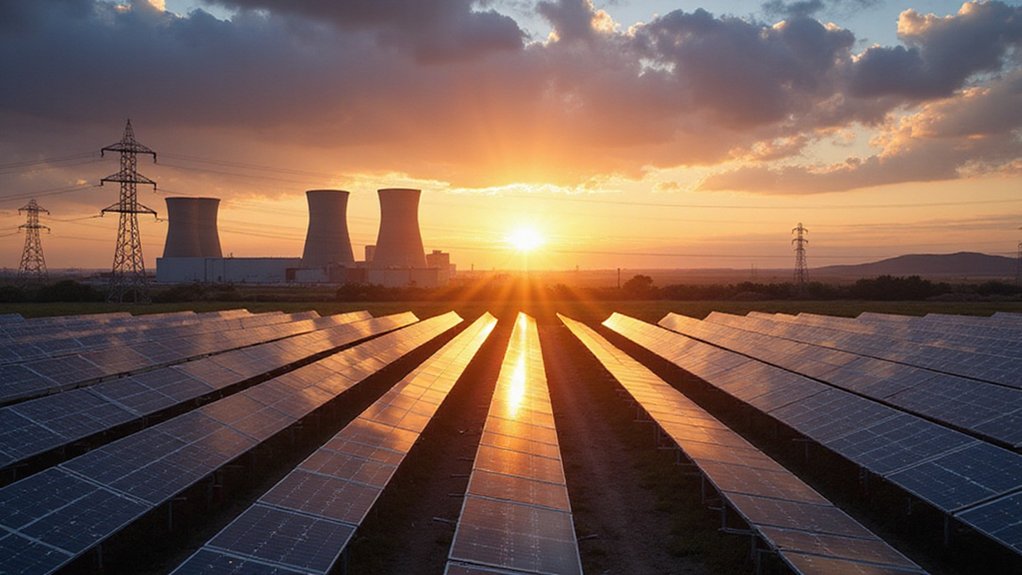
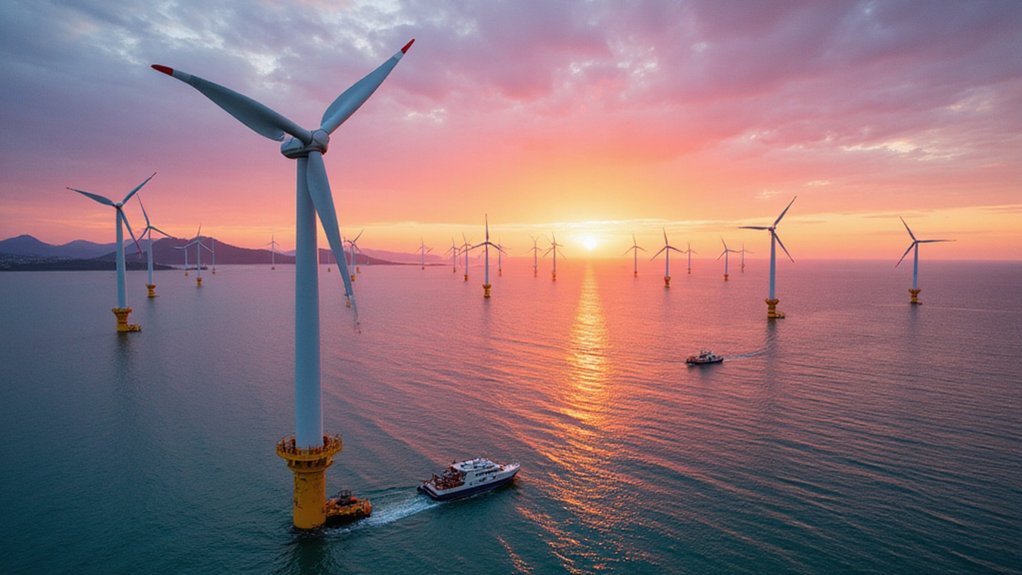
Let’s talk timelines. Coal and oil plants? Gone by 2030. Natural gas? Hanging around until 2045. It’s a slow breakup, but the divorce is final. Meanwhile, utilities are being forced to source at least 25% renewable energy by 2025. Wind will make up 75% of that mix, with solar contributing 6%. The state isn’t just suggesting these changes—it’s demanding them.
The push for equity is real, too. Low-income communities won’t be left in the dust during this shift. Updated programs through the Energy Transition Assistance Fund and Illinois Climate Works initiatives are creating pathways to green jobs, especially in areas historically dominated by fossil fuels. The bill establishes a new Siting Appeals Board to resolve disputes over renewable energy project locations, balancing community concerns with clean energy goals. Illinois is poised to join the nationwide trend where solar and batteries are projected to contribute 50.7 GW of new electric capacity in 2025.
Municipal utilities and cooperatives are feeling the heat as well. They’ll now need to conduct Integrated Resource Planning, bringing transparency to an industry that’s traditionally been about as clear as coal smoke.
The message is simple: Illinois is going green. Residents will benefit. The planet might, too. And that’s no small thing.
References
- https://www.isacoil.org/News/11035/New-Energy-Bill-Amendment-Filed/news-detail/
- https://dceo.illinois.gov/businesshelp/rev.html
- https://cleanchoiceenergy.com/news/renewable-energy-in-illinois
- https://ilenviro.org/energy/renewable-energy/
- https://www.youtube.com/watch?v=YXSN788Rqjg
- https://www.illinoisrenew.org/uncategorized/how-illinois-green-energy-initiative-makes-solar-power-accessible-for-everyone/
- https://www.riverbender.com/news/details/governor-pritzker-announces-cache-energy-to-expand-manufacturing-facility-in-illinois-87780.cfm
- https://www.illinoisgreenalliance.org/illinois-green-policy-update-may-2025
- https://www.illinoisgreenalliance.org/policy-update-october-2025
- https://www.illinois.gov/news/release.html