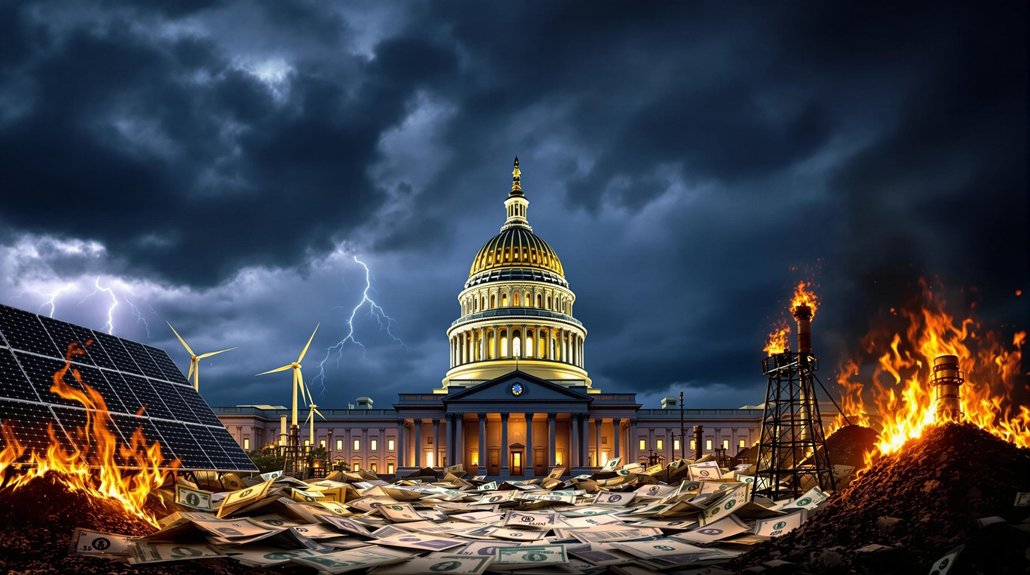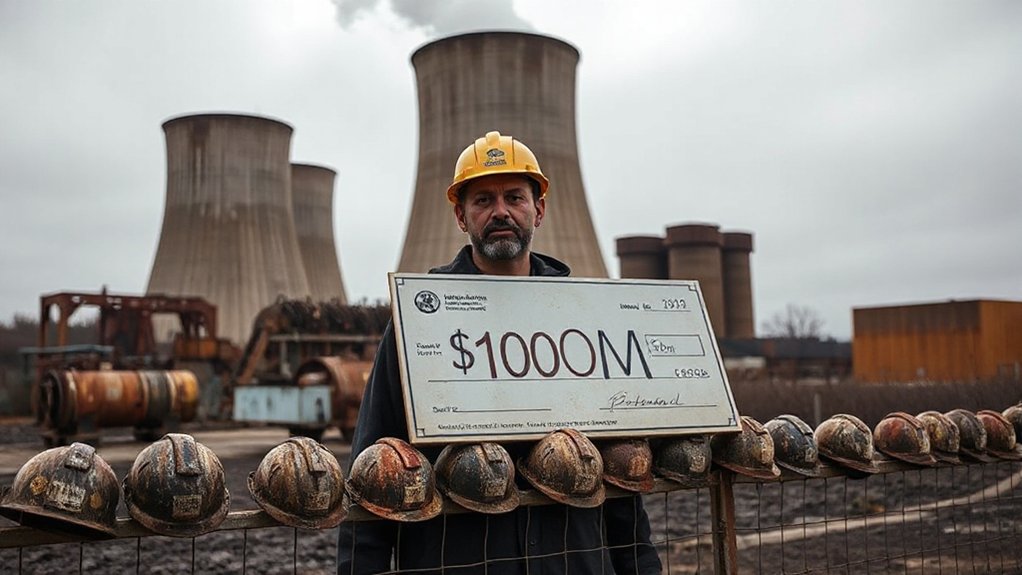
A massive influx of federal cash is headed to America’s struggling coal industry. The Department of Energy just announced a whopping $625 million investment package, with $100 million specifically earmarked for modernizing coal plant systems. Talk about doubling down on yesterday’s energy source.
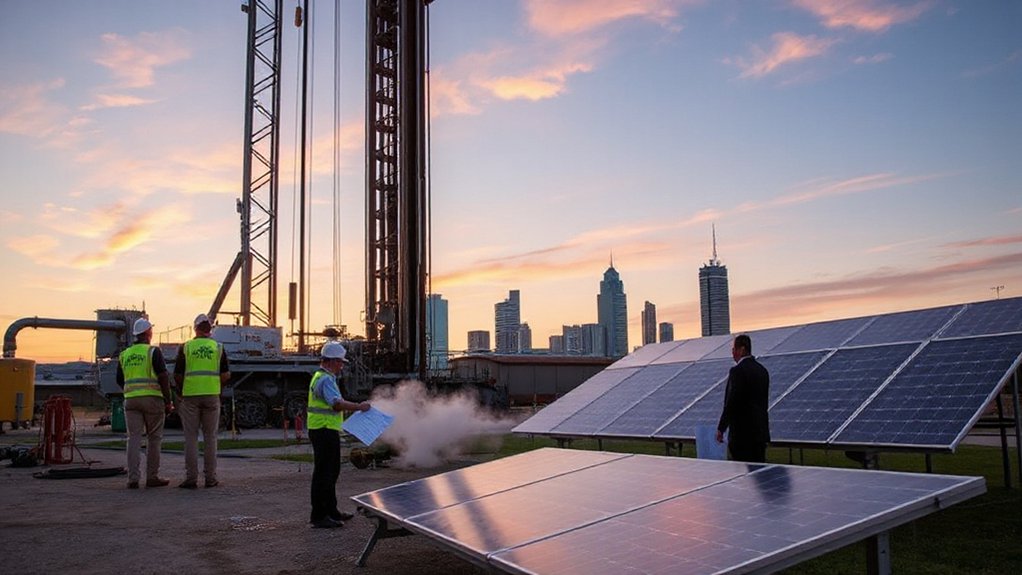
The money isn’t just being tossed into the coal pit, though. DOE has specific plans: retrofitting plants to co-fire with natural gas, improving wastewater recovery systems, and optimizing heat-rate to cut emissions. Basically, trying to teach an old dog some cleaner tricks.
Not a coal bailout, but a makeover—teaching carbon dinosaurs to reduce their footprint while they still breathe.
This cash injection comes alongside some regulatory breathing room. The EPA extended the deadline for coal plants to decide on shutdown or conversion until 2031. They’re also revising the Regional Haze Rule, with stakeholder input continuing through late 2025. Convenient timing, right?
Coal communities are breathing a sigh of relief. The funding aims to prevent premature plant closures while maintaining those skilled engineering jobs that keep local economies afloat. For rural areas especially, this means continued energy resilience and paychecks. The Secretary of Energy has emphasized coal’s critical role in America’s reindustrialization and AI race. The executive orders signed by the Trump administration reflect this commitment to revitalizing the domestic coal industry. Whether those paychecks last beyond this decade is anyone’s guess.
Applications for the modernization money close on January 7, 2026, giving coal operators plenty of time to make their pitch to the National Energy Technology Laboratory. The broader investment includes $350 million for recommissioning existing plants and $175 million for rural energy resilience projects.
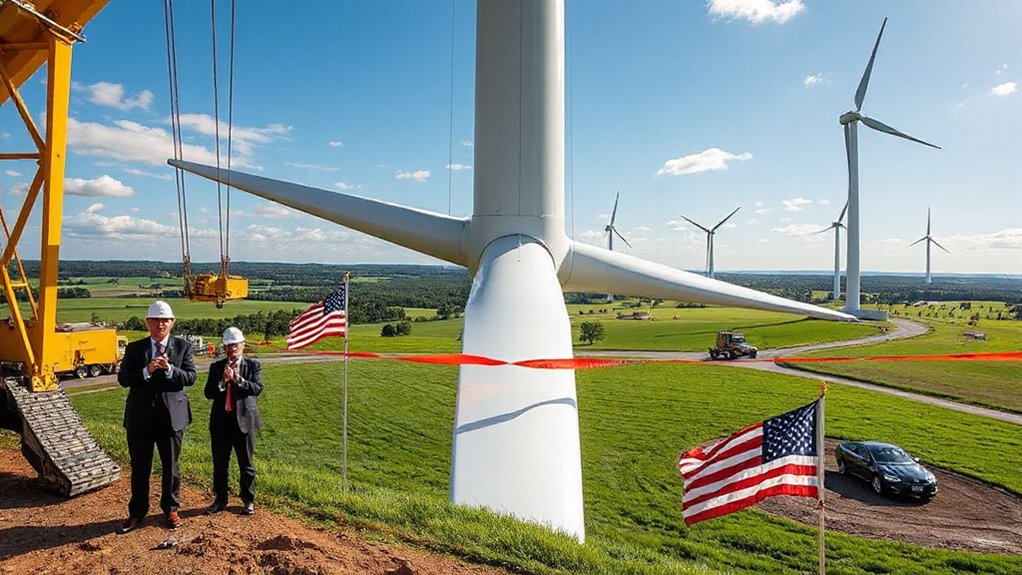
Critics might call this throwing good money after bad. Supporters see it as necessary protection for America’s baseload power capacity. The investment stands in stark contrast to renewable alternatives that could achieve over 90% reduction in carbon emissions from the power sector. Either way, the DOE is betting that these technological upgrades will extend plant lifetimes while reducing environmental impacts.
The coal industry isn’t dead yet. With this federal lifeline, it’s getting one more chance to prove it can adapt. Whether this $100 million is the beginning of coal’s renaissance or just delaying the inevitable remains to be seen. Clock’s ticking.
References
- https://www.energy.gov/articles/energy-department-announces-625-million-investment-reinvigorate-and-expand-americas-coal
- https://www.naco.org/news/doi-doe-and-epa-announce-new-funding-and-regulatory-measures-support-us-coal-industry
- https://thecoalhub.com/u-s-coal-plants-to-receive-100-million-boost-under-new-doe-modernization-program.html