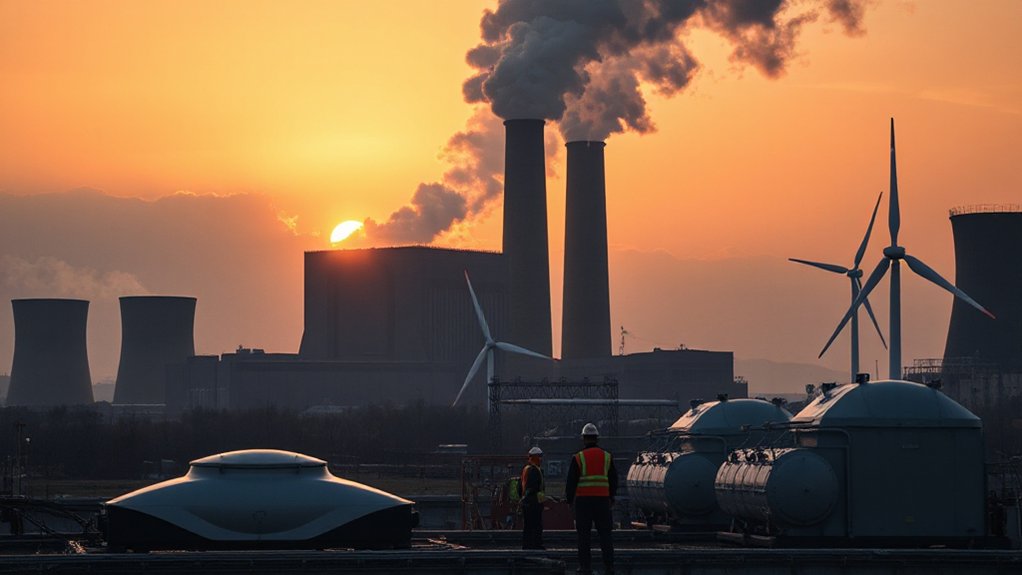

While China pushes ahead with ambitious green hydrogen initiatives, its coal production continues to surge at a staggering pace. The numbers don’t lie. Coal output jumped 6% in the first five months of 2025, hitting 1.99 billion tons. March saw production skyrocket by 9.6%. By September, the country had churned out 3.57 billion tons for the year. Talk about mixed signals.
China’s government seems to have noticed this contradiction. Regulators started cracking down on mines exceeding their approved capacity limits by more than 10%. Eight major coal-producing provinces—representing 90% of national output—faced inspections. Why the sudden oversight? A 5.4% production surge in early 2025 triggered alarms. Too much coal, too fast.
The ripple effects hit global markets immediately. China’s oversupply pushed coal prices down worldwide. American coal exporters felt the pain. A whopping 76% of the decline in U.S. coal exports can be traced back to reduced Chinese demand. One country, massive impact.
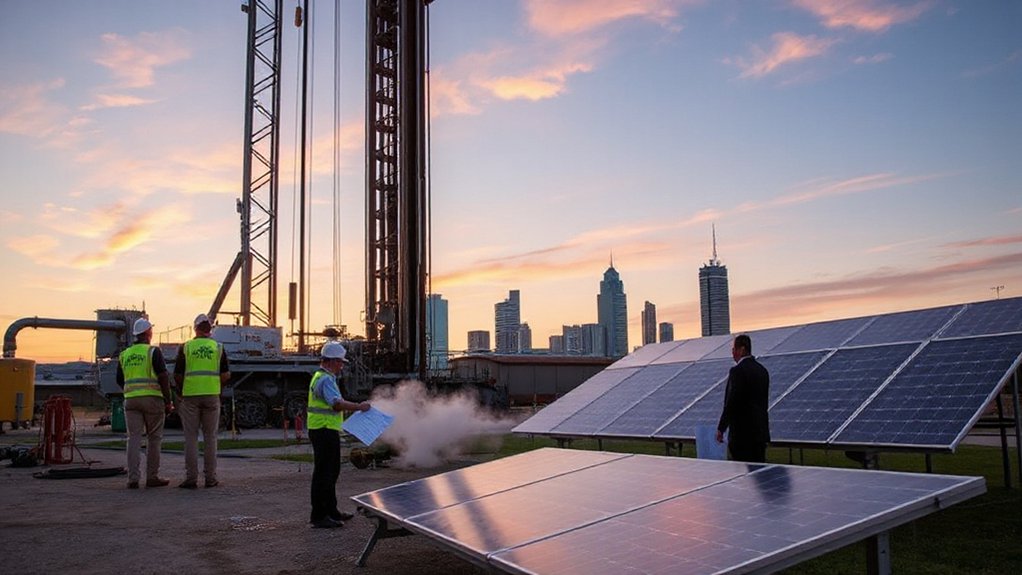
Meanwhile, China’s throwing money at green hydrogen like there’s no tomorrow. They’re scaling up electrolyzer capacity, launching pilot projects across multiple provinces, and slashing production costs. Their goal? Global dominance in green hydrogen technology. Not exactly subtle.
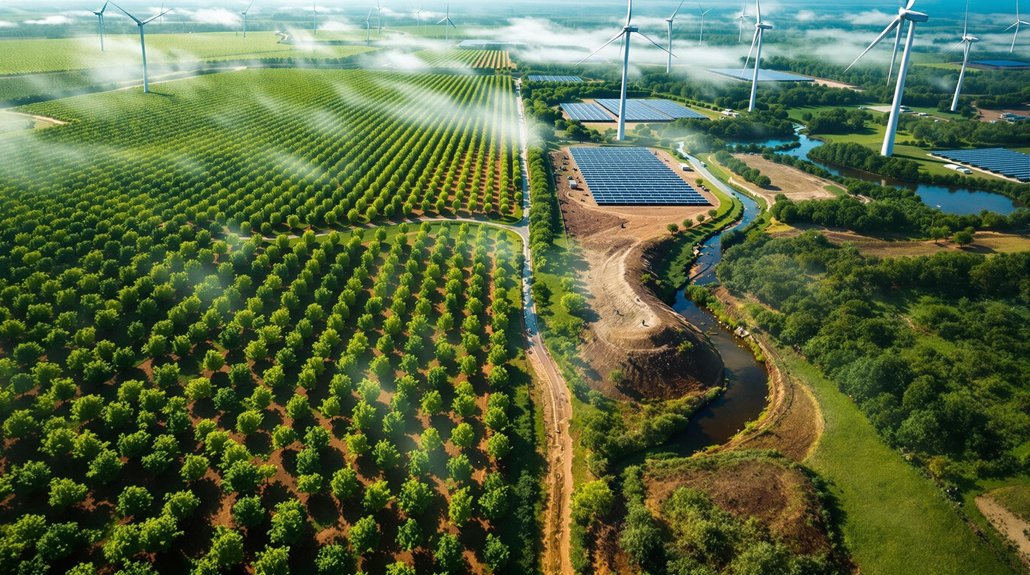
This clean hydrogen push relies on renewables—wind, solar, hydroelectric. Major projects are connecting hydrogen plants directly to renewable zones. Impressive infrastructure plans. Really impressive.
Yet the contradiction remains painfully obvious. China burns coal at record rates while positioning itself as the future green hydrogen superpower. It’s energy security versus climate goals, playing out in real time.
International partnerships are forming around this green tech race, but China’s maintaining its lead through aggressive policy and investment. China’s strategic dominance reflects how they control 80% of production for most clean energy technologies. Their strategy is clear: burn coal now, dominate green hydrogen later. A classic having-your-cake-and-eating-it-too situation.
Will it work? The world’s watching. Coal’s role is shifting from primary power source to flexible backup capacity in China’s energy transition, even as production numbers remain high. And waiting. The latest data shows average daily coal output reached 13.01 million tons in May, highlighting the continued intensity of China’s mining operations.
References
- https://discoveryalert.com.au/china-coal-production-curbs-2025-global-effect/
- https://www.stats.gov.cn/english/PressRelease/202506/t20250620_1960220.html
- https://www.stats.gov.cn/english/PressRelease/202504/t20250425_1959456.html
- https://www.ceicdata.com/en/indicator/china/coal-production
- https://www.eia.gov/todayinenergy/detail.php?id=66524