
Despite growing evidence of climate change impacts across Australia, the Coalition has officially abandoned its net zero emissions pledge, throwing the country’s climate policy into turmoil. The conservative opposition made this dramatic reversal in November 2025, just months before the anticipated federal election. So much for bipartisan climate action.
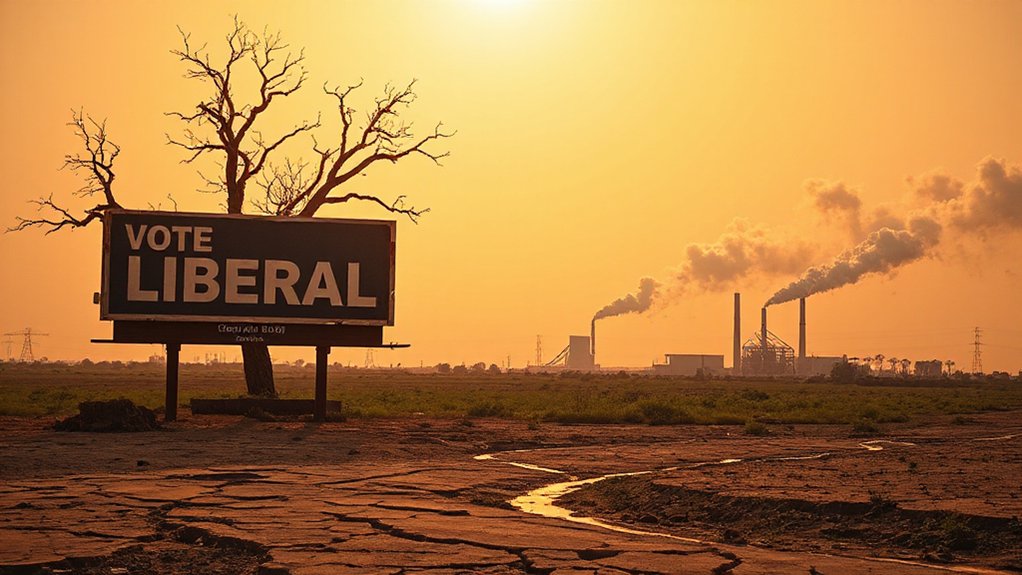
The Labor government wasted no time criticizing the move. They’ve doubled down on their commitment to net zero by 2050, pointing out the obvious – that climate inaction could devastate Australia’s future. The government seems determined to maintain international climate credibility while their opponents pivot away. Energy Minister Chris Bowen has been particularly vocal in criticizing Liberals for abandoning effective climate action.
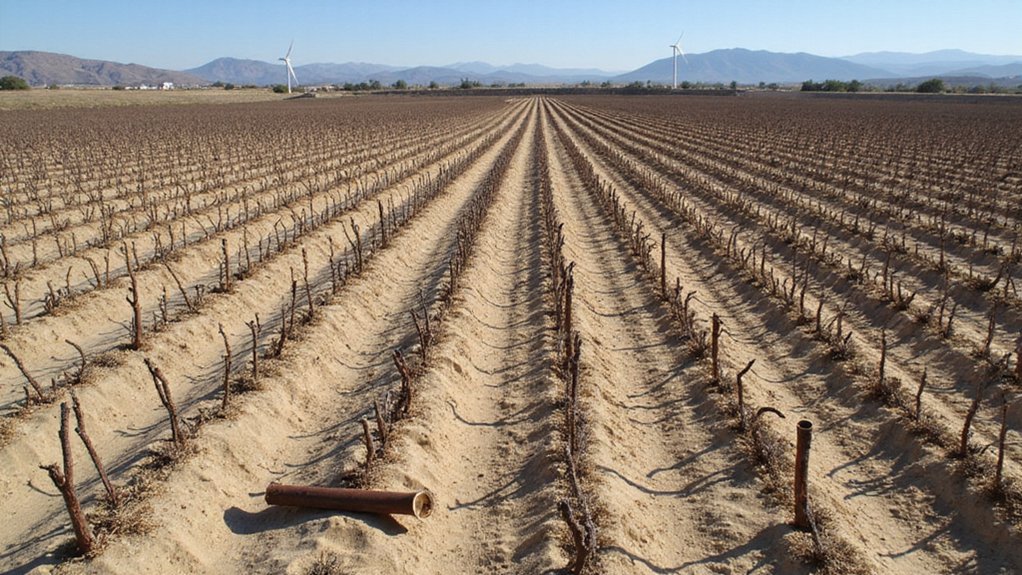
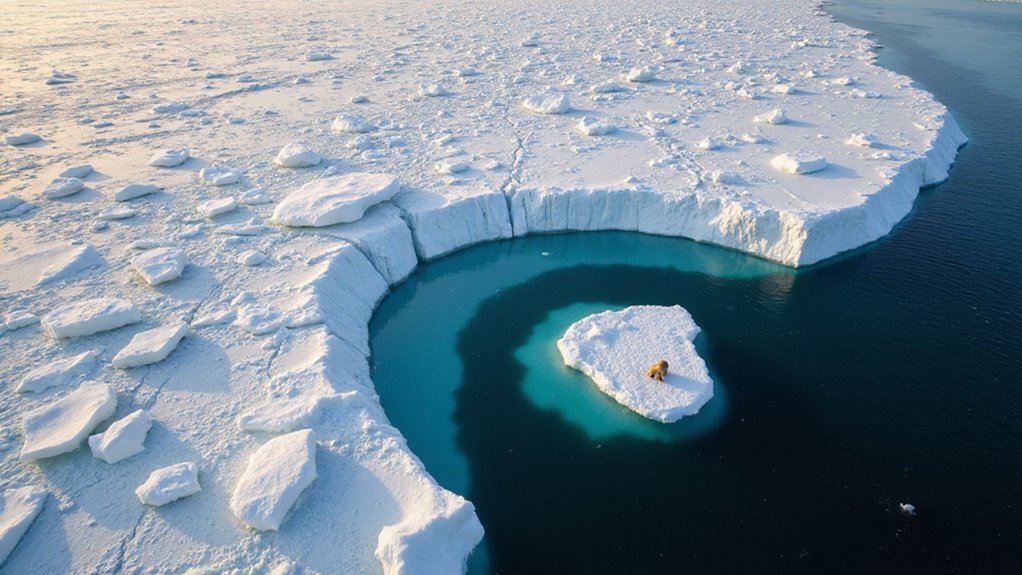
Scientists aren’t mincing words. Without net zero commitments, Australia faces potential warming of 3°C by century’s end. That’s not just a number on a thermometer. It means more bushfires, worse droughts, and coastal communities watching the sea creep toward their doorsteps. Water security? Agriculture? Both threatened. And let’s not forget the wildlife – already struggling after the Black Summer fires.
The global reaction has been predictably harsh. Australia’s international standing on climate issues is taking a hit, with allies questioning the country’s reliability in global climate forums. Some countries are already hinting at economic consequences. Not exactly the kind of attention Australia needs.
Australia’s climate reversal has sparked international backlash, with allies questioning reliability and some threatening economic penalties.
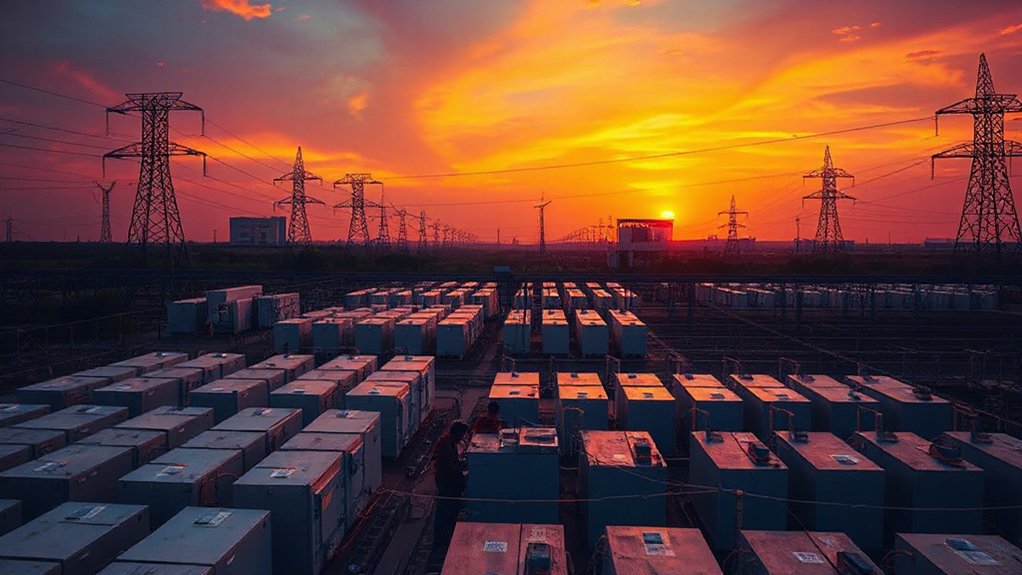
Economically, the policy reversal sends mixed signals. Renewable investments might stall while fossil fuels get a boost. The potential for stranded assets increases with each policy flip-flop. Foreign investors hate uncertainty, and this delivers it in spades. With fossil fuels responsible for 75% of emissions globally, Australia’s retreat from clean energy targets threatens to worsen its already outsized carbon footprint.
Most Australians actually support net zero targets, especially younger voters who’ll inherit whatever climate mess is left behind. Environmental groups are mobilizing, and business leaders are speaking out about the risks of policy instability. Climate Council spokesperson Amanda McKenzie has condemned the opposition’s decision as deadly negligence.
The irony? The Coalition only adopted net zero in 2021 under previous leadership. The policy was always contested within their ranks. This latest move just makes official what many suspected – that Australia’s climate policy remains as volatile as the weather patterns it’s failing to address.