As battery technology continues its relentless march forward, the global energy landscape is undergoing a seismic shift that fossil fuel executives can’t ignore any longer. The numbers don’t lie. Battery costs have plummeted below $100/kWh for EVs, and solar module prices dropped 35% to under 9 cents per watt. Game over, folks.
These aren’t just impressive stats—they’re fossil fuel’s death knell. Batteries now bank excess solar power generated midday, then release it during evening peak demand. No more excuses about “what happens when the sun doesn’t shine.” The sun always shines somewhere, and now we can bottle it up. Revolutionary? You bet.
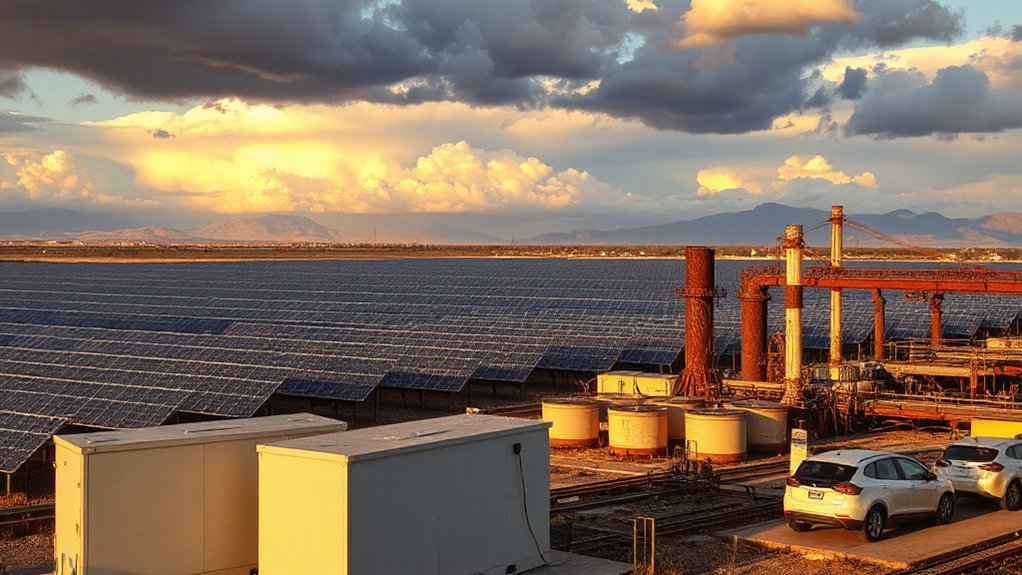
The revolution is happening faster than expected. Global fossil fuel demand has already plateaued outside China, with Chinese fossil electricity generation peaking in early 2025. Road transport—accounting for a whopping 75% of transport energy—is switching to electric. The rapidly increasing deployment of grid storage installations nearly doubled to 170 GWh in 2024, further accelerating the transition. A record 18.2 GW of battery capacity is expected to come online in 2025, providing essential grid balance during renewable intermittency. Those massive oil refineries? Turning into billion-dollar paperweights.
Change is outpacing predictions—fossil fuels plateau globally while refineries become stranded assets as transport electrifies rapidly.
Let’s be honest—efficiency matters. Electrotech systems demolish fossil fuels in efficiency: 100% renewable electricity systems crush thermal generation’s pathetic 30-40%. EVs operate at 80-90% efficiency compared to combustion engines’ embarrassing 25-40%. It’s not even close. Experts consistently highlight that electrotech systems are three times more efficient than fossil fuel alternatives across all sectors.
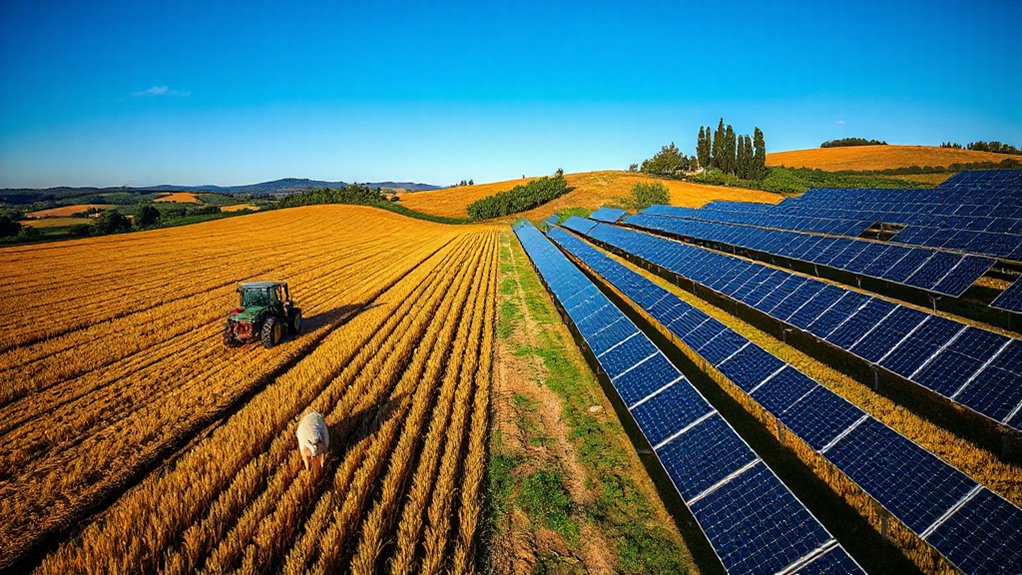
And here’s the kicker—renewable energy overtook coal globally in the first half of 2025. Solar grew by 31%, wind by 7.7%. Meanwhile, coal generation fell by 0.6%. Sorry, coal industry.
Perhaps most devastating to fossil fuel’s “but what about the minerals” argument is battery recycling. Unlike fossil fuels, which burn and disappear, batteries create a circular supply chain with recycling rates reaching 94%. Battery improvements reduce material intensity by 25-45% per decade. End-of-life batteries become new batteries.
In sunbelt regions, the combination of solar and battery storage reduces clean power costs by up to 50% compared to fossil systems. The future isn’t just coming—it’s here, installing solar panels on your neighbor’s roof and parking in your garage.
References
- https://climateenergyfinance.org/wp-content/uploads/2025/10/How-mega-batteries-are-unlocking-an-energy-revolution.pdf
- https://cleanenergy.org/news/an-electrotech-revolution-why-america-may-be-missing-the-boat-on-the-energy-future/
- https://rmi.org/the-energy-transition-in-2025-what-to-watch-for/
- https://www.weforum.org/stories/2025/10/renewables-overtake-coal-energy-news/
- https://ember-energy.org/latest-insights/q3-global-power-report-no-fossil-fuel-growth-expected-in-2025/
- https://www.irena.org/News/pressreleases/2025/Oct/World-Breaks-Renewable-Records-but-Must-Move-Faster-to-Hit-2030-Tripling-Goal
- https://www.mckinsey.com/industries/energy-and-materials/our-insights/global-energy-perspective
- https://ember-energy.org/latest-insights/ignore-the-fossil-noise-the-electrotech-revolution-is-happening/