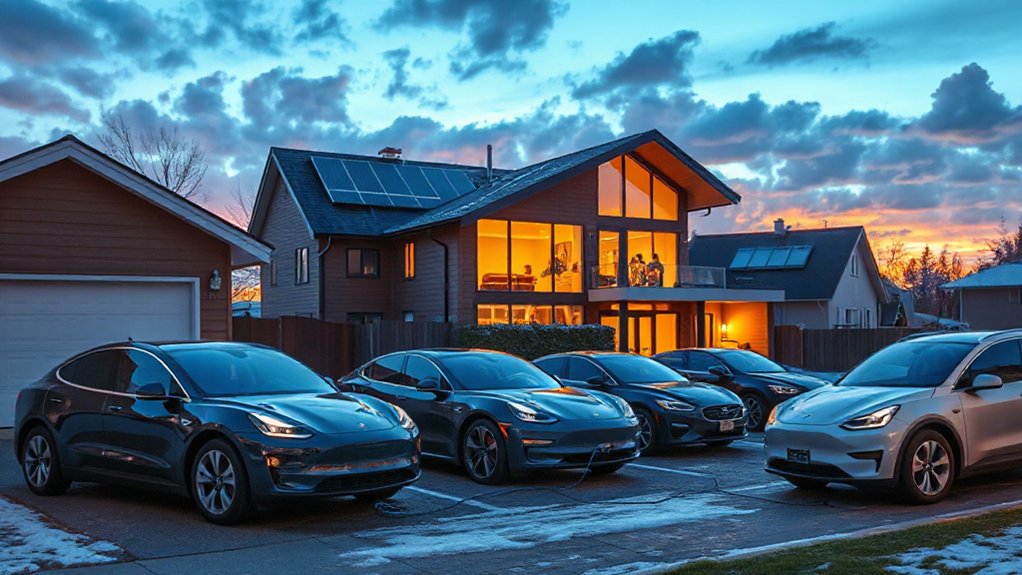

Thousands of electric vehicles sit idle in driveways every night, their powerful batteries doing absolutely nothing. What a waste. These mobile powerhouses could transform how households manage energy—slashing electricity bills and keeping the lights on during blackouts.
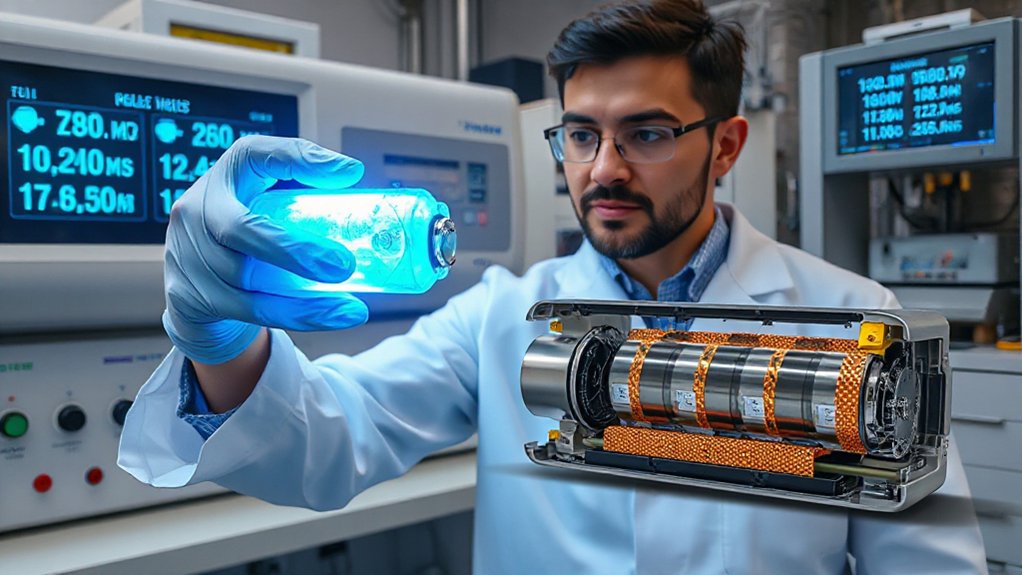
The technology is called vehicle-to-home (V2H), and it’s not science fiction. Modern EVs pack serious juice—40 to 100+ kilowatt-hours—enough to power an average American home for one to three days. The math is simple: the typical U.S. household uses about 30 kWh daily. Your parked Tesla or F-150 Lightning could handle that, no problem.
During outages, V2H systems can keep essential appliances running. Refrigerator, lights, Wi-Fi—covered. But the real magic happens during normal operation. By discharging during expensive peak hours and recharging when rates plummet overnight, EV owners can cut their electricity bills dramatically. Some studies show bill reductions between 50-90% of incremental energy costs. That’s serious cash.
V2H isn’t just emergency backup—it’s your personal arbitrage machine, turning off-peak charging into peak-hour savings.
The benefits extend beyond your wallet. When thousands of EVs coordinate their charging, they create a virtual power plant. This “vehicle-to-grid” capability provides stability services worth real money. Frequency regulation, peak shaving, spinning reserves—terms most people don’t care about until they’re told they could get paid for them.
EVs also pair beautifully with rooftop solar. Excess daytime solar generation? Store it in your car instead of selling it back to the utility for pennies. Use that energy when you need it most—during expensive evening hours. This synergy with solar aligns perfectly with the nationwide battery storage advancements that are revolutionizing grid stability and renewable integration.
Of course, there are hurdles. You’ll need compatible hardware, appropriate safety controls, and in many places, utility approval. The economics depend on several factors: battery degradation, equipment costs, and your specific electricity rate structure. With over 3 million EVs registered in the U.S. as of 2022, the potential for widespread adoption of this technology is growing rapidly.
But the potential is undeniable. Your parked car could become your home’s backup generator, your personal utility bill reducer, and part of a massive distributed energy resource fighting climate change—all while you sleep. Research from the University of Michigan and Ford shows V2H technology could reduce lifecycle greenhouse gas emissions by up to 250%. Not bad for something that’s just sitting there.
References
- https://www.eia.gov/energyexplained/use-of-energy/transportation-in-depth.php
- https://seas.umich.edu/news/power-when-parked-evs-could-help-save-money-reduce-emissions-providing-energy-homes
- https://news.mit.edu/2023/minimizing-electric-vehicles-impact-grid-0315
- https://www.energy.gov/sites/default/files/2024-10/Congressional Report EV Grid Impacts.pdf
- https://interestingengineering.com/energy/electric-vehicles-us-grid
- https://data.nrel.gov/submissions/278