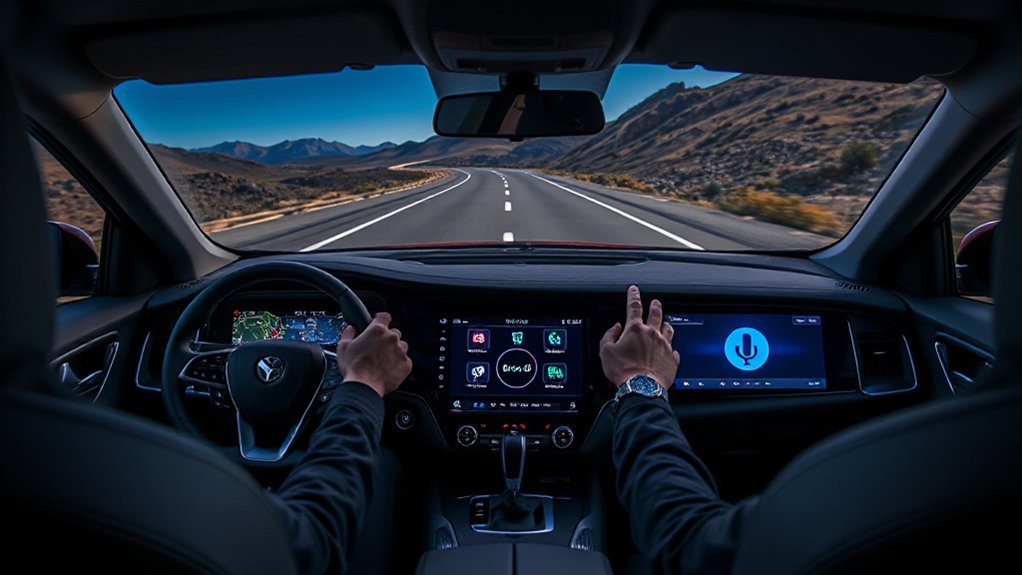
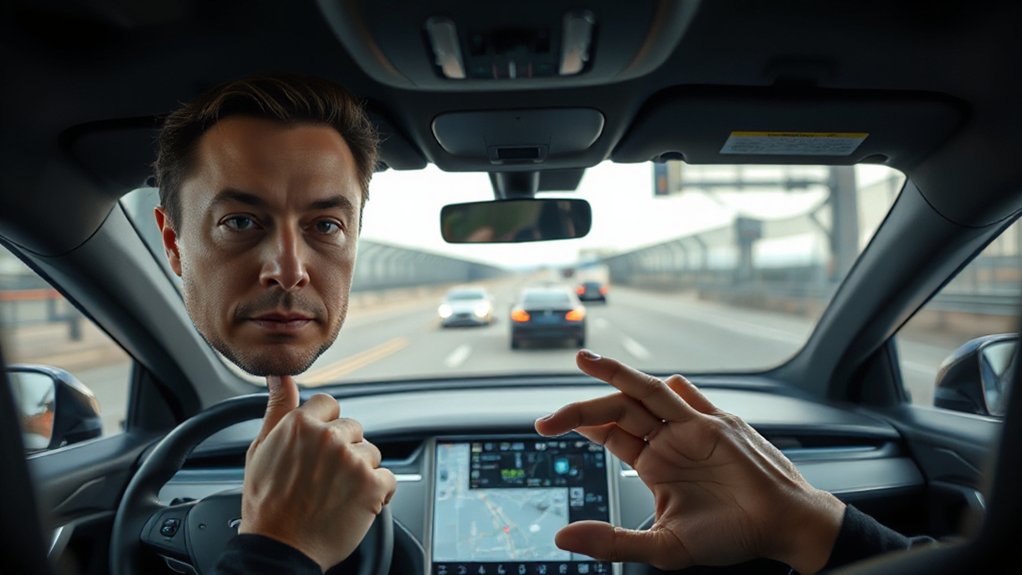
While car manufacturers once dominated the automotive world, tech giants are now calling the shots in an unprecedented power shift. Microsoft, NVIDIA, and Bosch aren’t playing nice anymore — they’re locked in a high-stakes battle for your vehicle’s central nervous system. Microsoft just marked its fifth year at CES, showcasing how its cloud and AI solutions are transforming the entire automotive development cycle. Not to be outdone, NVIDIA’s hardware is powering everything from infotainment to autonomous driving systems. The writing’s on the dashboard: traditional automakers are becoming the junior partners.
These tech behemoths are redefining what a car even is. Software-defined vehicles are no longer sci-fi fantasies but mainstream reality, with electric models leading the charge. The actual hardware? Almost secondary at this point. Partnerships like the Bosch-Microsoft-NVIDIA alliance for AI cockpits prove that tomorrow’s driving experience will be defined in Silicon Valley, not Detroit or Stuttgart.
The car is now a computer on wheels, with Detroit taking orders from Silicon Valley’s software architects.
Digital twins — virtual replicas that simulate everything from supply chains to vehicle performance — have moved from geeky concept to essential tools. They’re enabling manufacturers to test scenarios without building costly prototypes. Convenient, right? And also completely dependent on tech companies’ cloud infrastructure. This digital transformation contributes to the energy demand surge that’s reshaping America’s power grid, with data centers and AI technologies significantly increasing electricity consumption.
The real gold rush is in data. Every connected car generates mountains of information that these tech giants are salivating to control. With 5G connectivity and vehicle-to-everything (V2X) communication becoming standard, your car is basically a rolling smartphone that sometimes takes you places. The industry’s focus has dramatically shifted toward providing connected vehicle experiences that collect valuable user data while offering personalization. By 2026, these connected car data streams are expected to become significant revenue generators for automotive businesses.
Cybersecurity concerns? Valid, but conveniently creating another revenue stream for tech companies offering protection solutions. CARNIQ Technologies and others are already cashing in on compliance tools.
Let’s be honest — this isn’t a fair fight. While automakers struggle with margin pressures and manufacturing challenges, tech giants are deploying AI-powered solutions across the entire vehicle lifecycle. The car of the future isn’t being designed on factory floors. It’s being coded in tech campuses.
References
- https://www.microsoft.com/en-us/industry/blog/manufacturing-and-mobility/2026/01/07/ces-2026-powering-the-next-frontier-in-automotive/
- https://www.coxautoinc.eu/news-insights/automotive-industry-trends-2026/
- https://africanclimatewire.org/2025/12/top-7-automotive-industry-trends-shaping-2026-30/
- https://annata.net/navigating-2026-trends-in-the-automotive-industry/
- https://www.epicflow.com/blog/5-latest-trends-in-the-automotive-industry/
- https://www.pwc.com/us/en/industries/industrial-products/library/automotive-deals-outlook.html
- https://www.mckinsey.com/features/mckinsey-center-for-future-mobility/our-insights/mapping-the-automotive-software-and-electronics-landscape
- https://www.coxautoinc.com/insights-hub/fragmented-reality-5-forces-to-shape-the-auto-industry-in-2026/
- https://www.techarena.ai/content/predictions-for-2026-three-forces-disrupting-vehicle-development