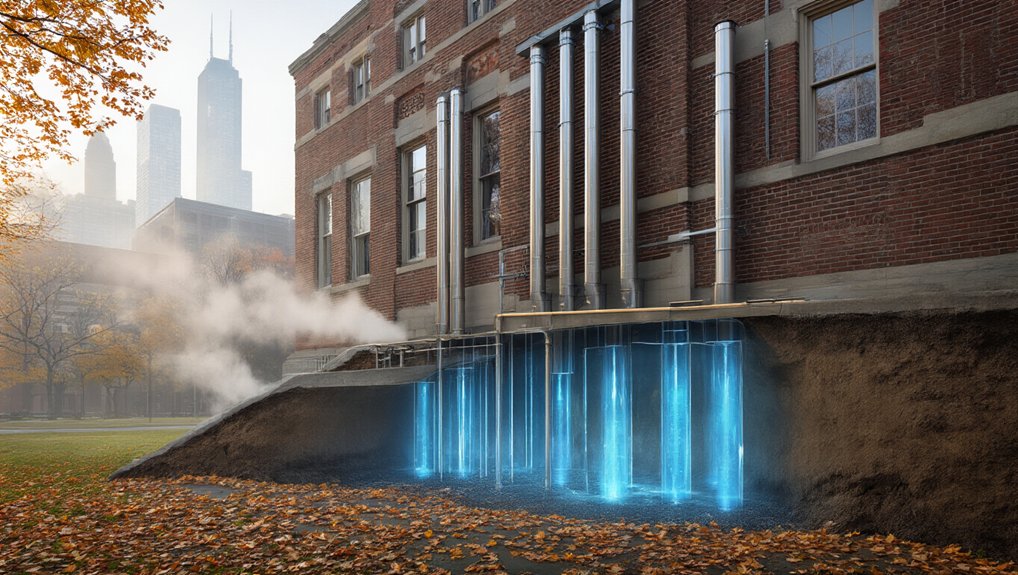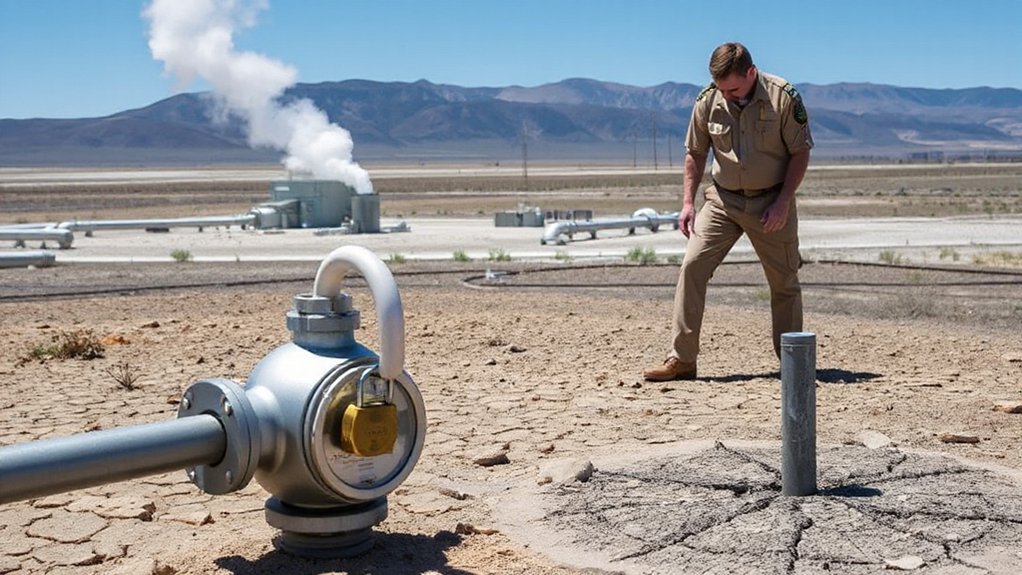
Nevada lawmakers are taking aim at what environmentalists call a major water loophole in the state’s geothermal industry. Assemblymember Selena La Rue Hatch, D-Reno, introduced AB109 to address what’s been fundamentally free water for geothermal companies. The bill targets operations classified as “non-consumptive” users—those who reinject water back underground after extracting heat.
Sounds reasonable, right? Not so fast. The geothermal industry is pushing back hard. Geothermal Rising Action submitted formal opposition before the January hearing, arguing that AB109 adds redundant permitting requirements. They insist existing regulations already cover environmental compliance effectively.
But environmentalists aren’t buying it. The Great Basin Water Network points to “overwhelming scientific evidence” showing harm to water supplies despite reinjection practices. Case in point: the Dixie Valley geothermal project. Independent scientists confirmed it threatened a rare toad species in a hot spring wetland, leading to Endangered Species Act protection in 2022. Oops.
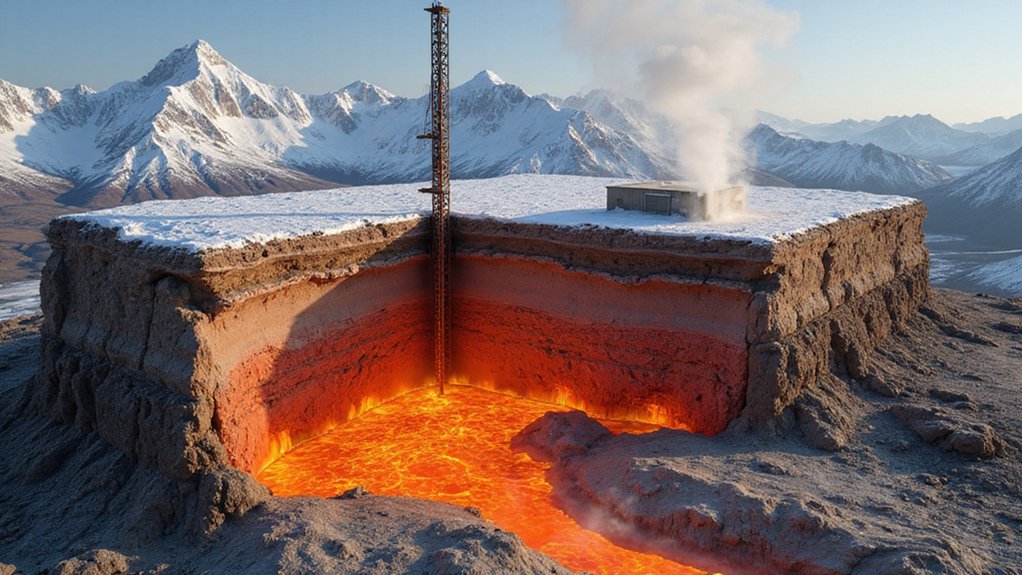
Meanwhile, Nevada sits at a crossroads. The state has been recognized as a national leader in geothermal development, with untapped potential that could power thousands of homes. Just last November, Fervo’s Humboldt County plant secured a power-purchase agreement with NV Energy.
Nevada’s geothermal leadership stands at a pivotal moment—vast untapped clean energy potential colliding with new regulatory questions.
The feds clearly want more geothermal, too. The STEAM Act, reintroduced by Senators Cortez Masto and Murkowski, aims to streamline permitting. BLM has already scheduled Nevada geothermal lease sales for 2024, 2025, and 2026. This legislation could substantially reduce permitting timelines for future development projects. Full speed ahead!
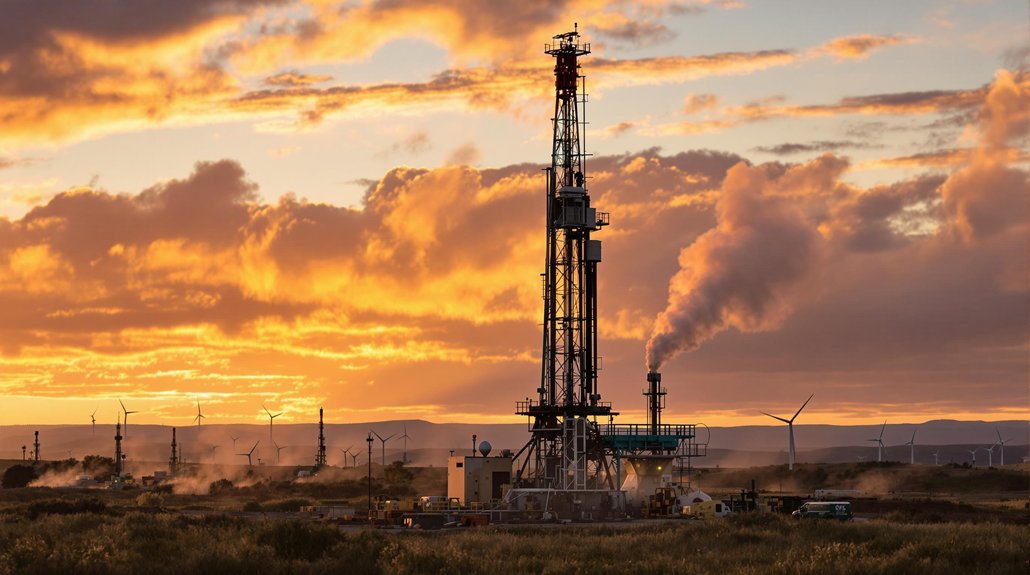
The timing is awkward. Just as Nevada considers tightening controls, neighboring Utah approved Fervo’s massive Cape Station project. With $462 million in fresh funding from Google and others, it’s set to deliver 500 megawatts of power. The project will utilize advanced drilling methods to access deeper heat zones while requiring minimal land use compared to conventional energy sources.
As Nevada debates its water-geothermal relationship, a new groundwater monitoring tool launched January 26 might bring some clarity. With the Colorado River Basin already stressed, every drop matters. Geothermal’s free ride might be coming to an end.
References
- https://www.reviewjournal.com/news/politics-and-government/nevada/energy-bill-turns-focus-on-nevadas-untapped-geothermal-potential-3277063/
- https://www.esgdive.com/news/google-calstrs-b-capital-back-Fervo-462m-funding-round-for-geothermal-plant/807798/
- https://www.leg.state.nv.us/App/InterimCommittee/REL/Document/32072
- https://thenevadaindependent.com/article/its-a-mild-winter-in-nevada-heres-how-that-could-end-up-hitting-your-pocketbook
- https://invisiblewaters.substack.com/p/a-snow-drought-creeps-across-the
- https://www.blm.gov/programs/energy-and-minerals/geothermal-energy/regional-info/nevada
- https://www.bhfs.com/insight/shape-the-future-of-geothermal-in-2026-policy-trends-and-opportunities/