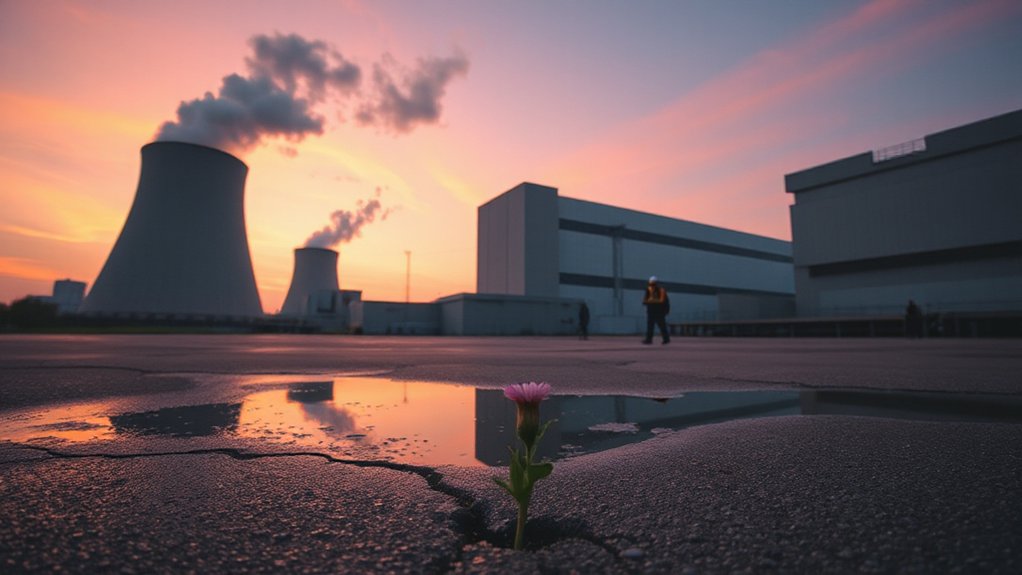
After lying dormant for fifteen years in the wake of Japan’s worst nuclear disaster, the Kashiwazaki-Kariwa Nuclear Power Plant is giving resurrection another shot. The world’s largest nuclear generating station, sprawled across 4.2 square kilometers in Niigata Prefecture, will try turning on Reactor 6 next Monday, February 9. Third time’s the charm?
TEPCO, the plant’s operator, hasn’t had much luck lately. Their January 21 restart attempt lasted mere hours before an alarm glitch forced them to hit the brakes. Talk about a false start. Plant head Takeyuki Inagaki announced the new timeline during Friday’s press conference, probably hoping nobody remembers the last fiasco.
TEPCO’s nuclear revival plan: one glitch, one false start, and a whole lot of awkward explaining to do.
The plant’s troubled history reads like a safety inspector’s nightmare. Shut down after the 2011 Fukushima disaster – you know, when three reactors melted down following an earthquake and tsunami – Kashiwazaki-Kariwa has been cooling its heels alongside Japan’s other nuclear facilities. Four units remained untouched by the catastrophe but got the shutdown treatment anyway.
Progress has been glacial. The Nuclear Regulation Authority finally granted restart permission for Units 6 and 7 in 2017. Then came approval for fuel reloading in December 2023. The Niigata prefecture assembly threw in their vote last December. Fifteen years is a long time to sit on your hands. The restart comes as Europe’s nuclear share has dropped from 35% in the 1990s to just 25% today.
January’s technical glitch turned out to be an alarm setting error. Nothing catastrophic. Just embarrassing. The technical issue did not impact any of the plant’s critical safety protocols, according to officials. The situation triggered a temporary suspension of the restart efforts while TEPCO addressed the alarm settings.
TEPCO insists safety improvements are in place. They’ve addressed security concerns dating back to 2017. Everything’s fine! Totally ready for prime time! The company desperately wants its flagship plant operational again.
Come Monday, engineers will attempt to wake the sleeping giant. The restart represents more than just flipping a switch – it’s Japan cautiously re-embracing nuclear power after its nationwide halt.
Will it work this time? Maybe. But if history teaches us anything, don’t hold your breath. Nuclear comebacks are complicated business.