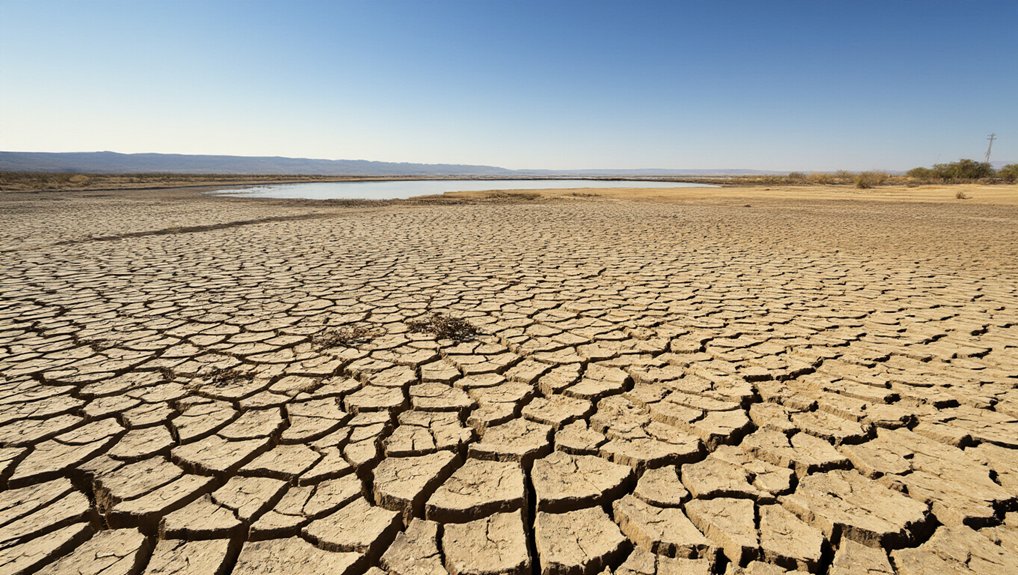
Beneath the surface of the American West, an invisible crisis is unfolding. Over the past two decades, the Colorado River Basin has lost 27.8 million acre-feet of groundwater. That’s enough water to fill Lake Mead, the nation’s largest reservoir. The total water loss across all sources reaches 42.3 million acre-feet, painting a dire picture for millions of Americans who depend on this essential resource.
Over two decades, the Colorado River Basin lost 27.8 million acre-feet of groundwater—enough to fill Lake Mead entirely.
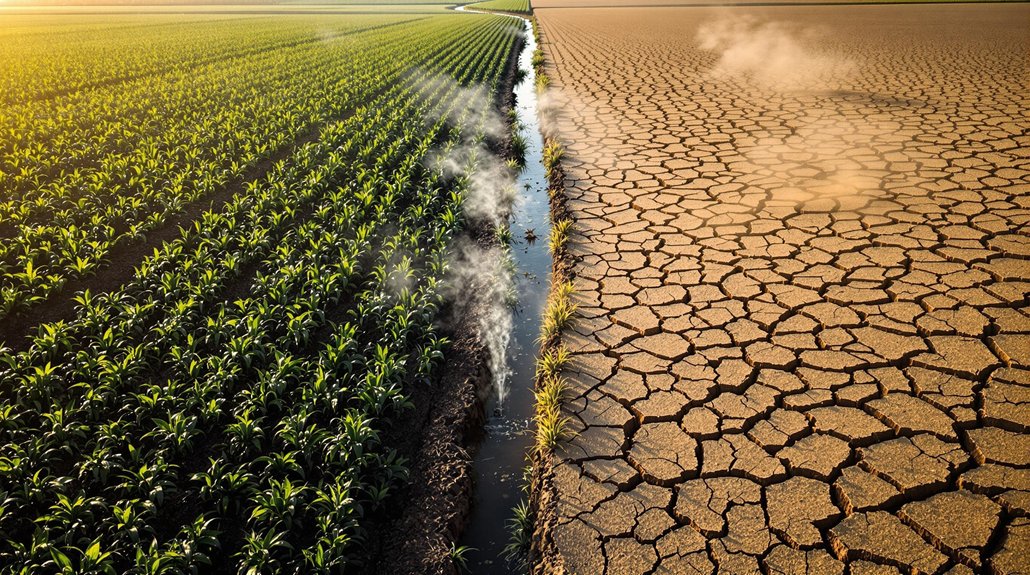
The depletion rate is alarming. Groundwater’s disappearing 2.4 times faster than surface water from reservoirs. Since 2015, the pace of freshwater loss has accelerated threefold compared to the previous decade. Climate change and agricultural demands are the primary drivers of this rapid decline, with emerging pressures such as new data center developments reportedly adding to the strain. The groundwater drawdown in just the past decade is three times faster than the previous 14 years combined. Industrial-scale agriculture has reportedly expanded rapidly across Arizona, often without adequate regulation to manage consumption.
The Colorado River Basin supplies water to 40 million people across seven U.S. states and parts of Mexico. It supports billions of dollars in agriculture across millions of acres of farmland. Yet groundwater losses remain invisible compared to the visible drop in reservoir levels. NASA satellite data confirms the basin’s total water storage is declining at an unsustainable rate. However, the total groundwater supply remains unknown, making long-term projections difficult for water managers.
The lower basin states—Arizona, Nevada, and California—face the greatest vulnerability. Groundwater comprises 40 percent of their total water supply, with 71 percent of their depletions coming from groundwater reserves. The upper basin states of Wyoming, Colorado, New Mexico, and Utah contribute 53 percent of their depletions from groundwater, creating basin-wide strain. Rising global temperatures are intensifying this strain by increasing evaporation rates, pulling more water from already depleted soils and further reducing the moisture available to recharge groundwater supplies.
Time’s running out. Lake Powell’s hydropower could stop as soon as 2026, tied to persistently low water levels. That same year, the seven states face a deadline to agree on significant water cuts. Without action, projections under current trends suggest river flow could drop another 30 percent by mid-century. As surface water continues falling, reliance on groundwater will increase. But that critical buffer is rapidly disappearing. The stakes couldn’t be higher for the American West’s future.
References
- https://www.canada1water.ca/blog/theguardian-colorado-river-basin-has-lost-nearly-the-equivalent-of-an-underground-lake-mead
- https://insideclimatenews.org/news/02062025/colorado-river-groundwater-rapid-decline/
- https://www.deseret.com/the-west/2025/05/31/colorado-river-basin-groundwater-depletion/
- https://fishbio.com/news/colorado-river-basin-has-lost-nearly-the-equivalent-of-an-underground-lake-mead/
- https://grist.org/science/new-study-shows-huge-groundwater-losses-along-colorado-river/