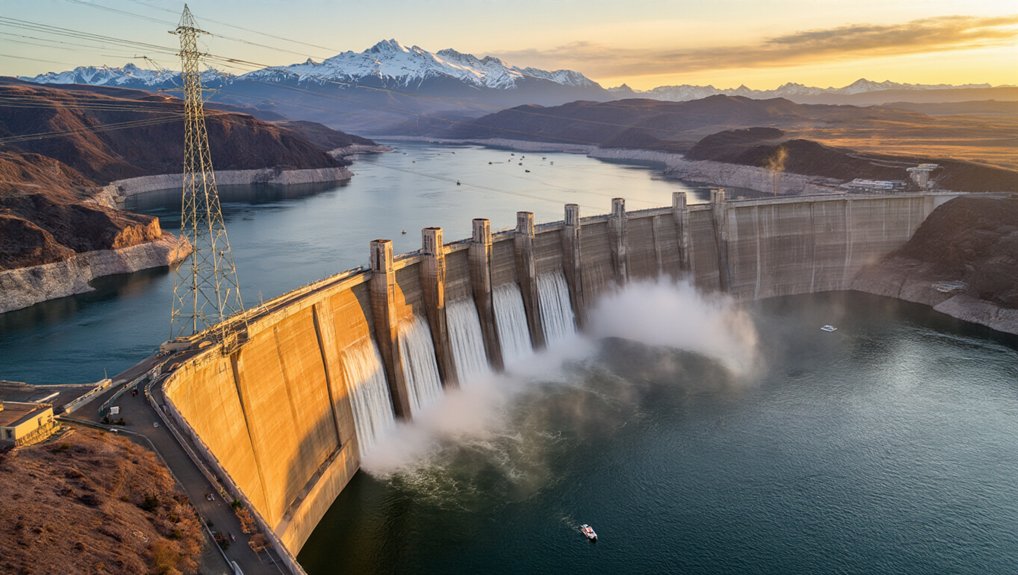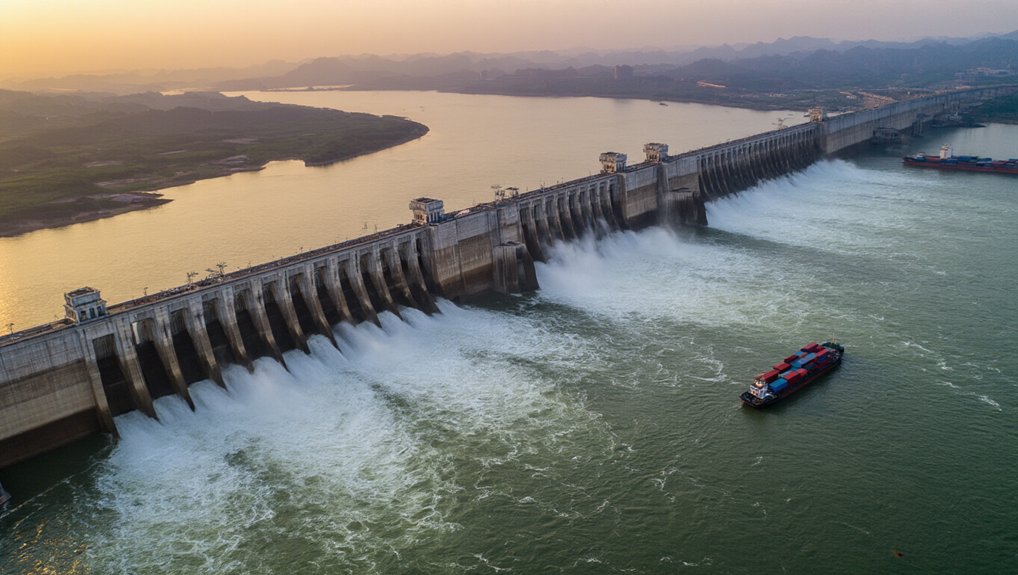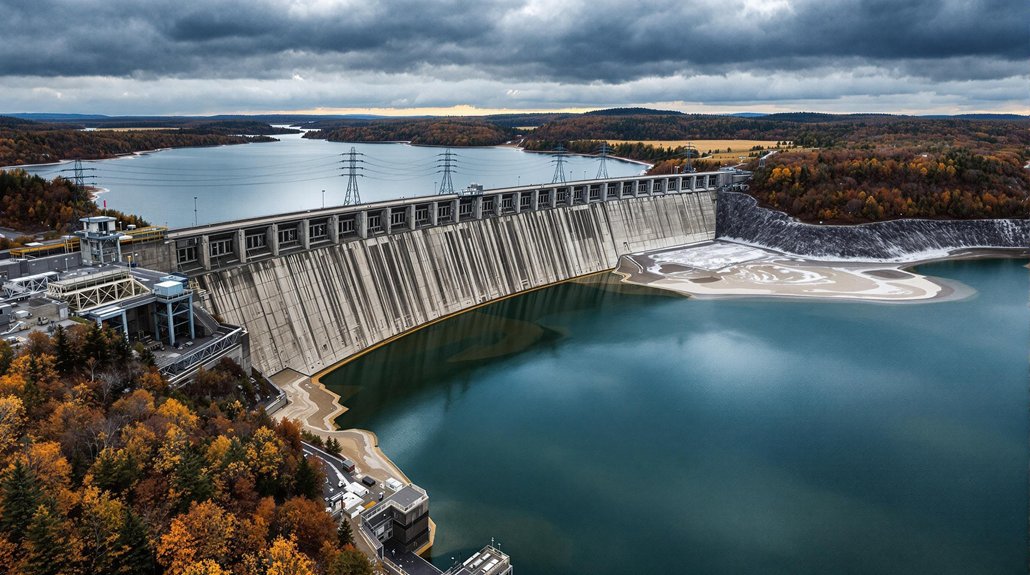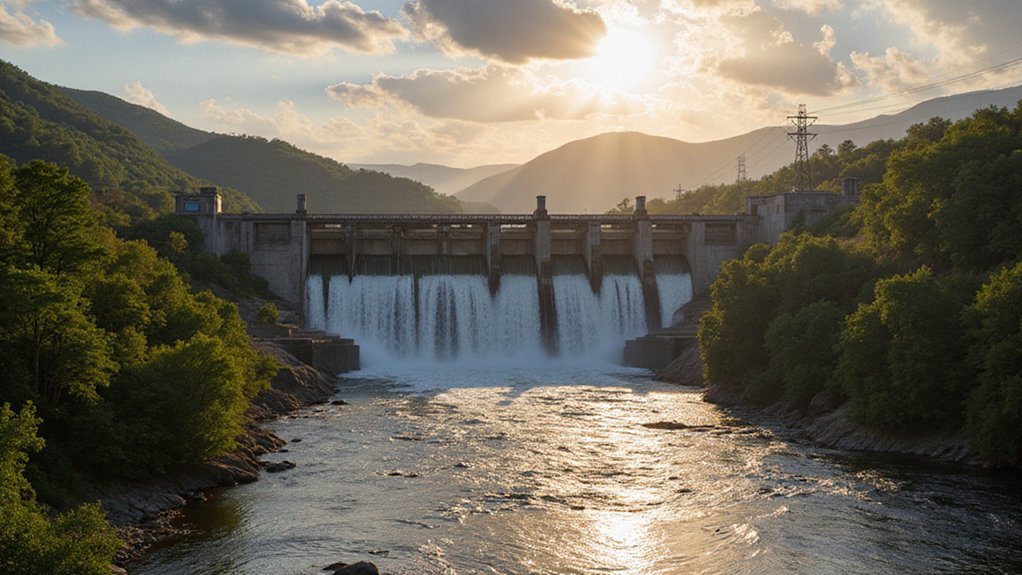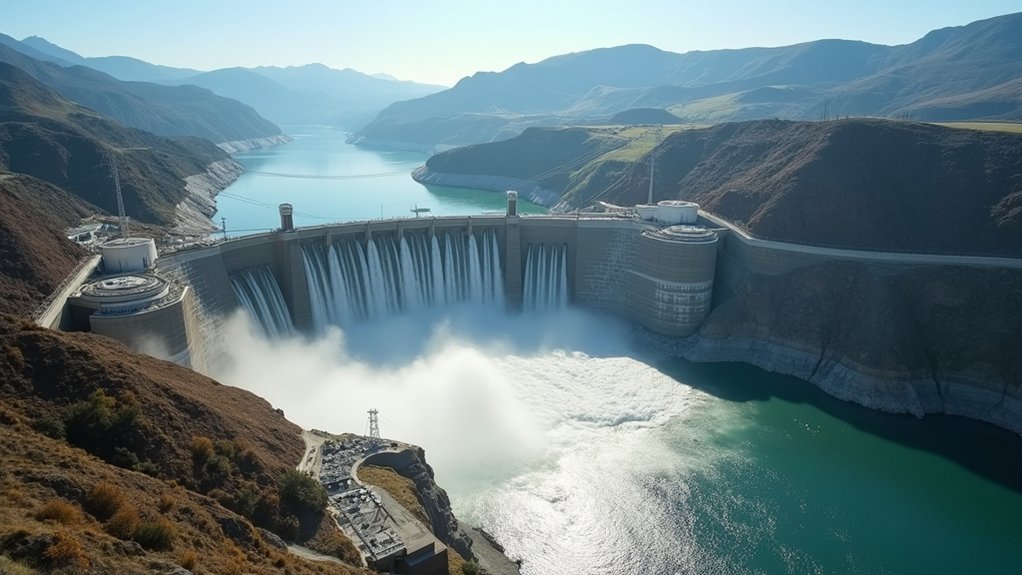
After years of drought-induced decline, America’s hydropower industry is showing signs of recovery. Forecasts indicate hydropower generation will reach 259.1 billion kilowatt-hours in 2025, marking a 7.5% increase from 2024 levels. This comes as welcome news following 2024’s output of 241 billion kilowatt-hours, the lowest since at least 2010.
Despite this rebound, the projected 2025 figures will still fall 2.4% below the 10-year average for hydropower production. The industry has faced notable challenges from persistent drought conditions, especially in Western states where about half of the nation’s hydropower capacity is concentrated. In 2024, solar generation rose by 27%, surpassing hydro generation for the first time.
Recent precipitation patterns have helped fuel the anticipated recovery. From October 2024 to April 2025, Northern California, Oregon, and eastern Washington experienced above-normal rainfall. Southeastern Oregon saw historic precipitation during this period. However, some regions, including parts of Washington, Montana, Idaho, and Southern California, received below-normal rainfall.
Hydropower remains an essential component of America’s renewable energy portfolio. In 2022, it provided 6.2% of total U.S. electricity generation and accounted for 28.7% of all renewable electricity. With an impressive conversion efficiency rate of up to 90%, hydroelectric plants outperform many other energy generation methods. While solar and wind have grown more rapidly in recent years, hydropower continues to be the largest source of dispatchable renewable power in the country.
The U.S. Department of Energy actively tracks hydropower market trends and development. The Northwest and Rockies region is expected to generate 125.1 billion kilowatt-hours in 2025, representing a significant 17% increase compared to 2024. Their database monitors new projects, upgrades, and expansions through the end of 2024. Current efforts focus on modernizing existing plants to improve efficiency and capacity, with potential for future expansion by adding power generation to non-powered dams.
Weather and climate variability greatly impact hydropower output. Generation closely tracks with precipitation and snowpack levels in key watersheds. The Energy Information Administration’s Short-Term Energy Outlook predicts hydropower will maintain a steady share of about 6% in the U.S. electricity mix through at least 2025, though regional variations are expected based on localized weather conditions.
References
- https://www.energy.gov/eere/water/hydropower-market-reports
- https://hydrosource.ornl.gov/data/datasets/us-hydropower-development-pipeline-data-2025/
- https://www.eia.gov/outlooks/aeo/
- https://ember-energy.org/latest-insights/us-electricity-2025-special-report/
- https://www.renewableenergyworld.com/hydro-power/u-s-hydro-generation-expected-to-rise-after-a-dip-in-2024/