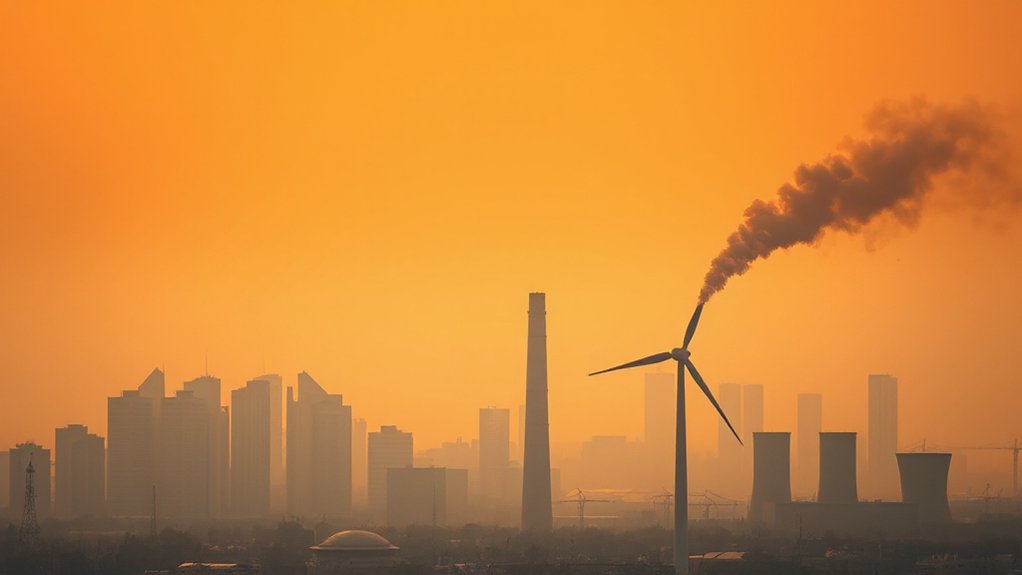
While the rest of the world races toward renewable energy, Australians continue paying a hefty premium for their fossil fuel addiction. The numbers don’t lie. Electricity prices in the National Electricity Market shot up a staggering 131% in just one month, hitting $232.57/MWh in June 2025. Why? Low renewable output and an outdated obsession with fossil fuels. Shocking, right?
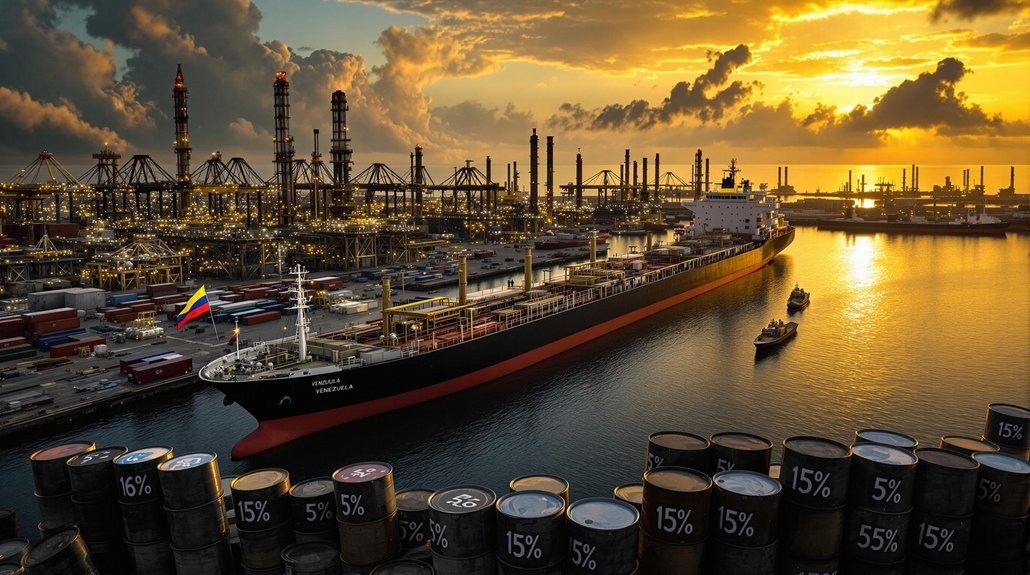
Australia’s import dependency is nothing short of alarming. We’re shipping in about 90% of our oil needs, a figure that’s grown ten-fold since 2000. That’s costing us a cool $55 billion this year alone. Remember 2022? That bill hit $65 billion when global markets went haywire. Talk about financial hemorrhaging.
Our safety net is paper-thin. Just 31 days of petrol stocks and a measly 26 days of diesel. The International Energy Agency recommends 90 days, but who’s counting? Apparently not us. The situation is especially concerning given that approximately 20% of global oil production travels through the vulnerable Strait of Hormuz. And with diesel powering more than half our daily oil consumption, we’re playing a dangerous game of chance.
The gas situation isn’t any prettier. Since we started shipping 80% of our gas overseas as LNG, domestic prices have tripled. Remember the good old days of sub-$5/GJ prices? They vanished faster than a politician’s promise once those Gladstone LNG terminals fired up in 2015.
Sure, petrol prices dipped to 175.7 cents per litre last quarter. A momentary reprieve. Still 10% lower than last year, but that’s cold comfort when electricity bills are doubling. The recent data shows that retail petrol prices decreased in all capital cities and regional locations during the June quarter 2025.
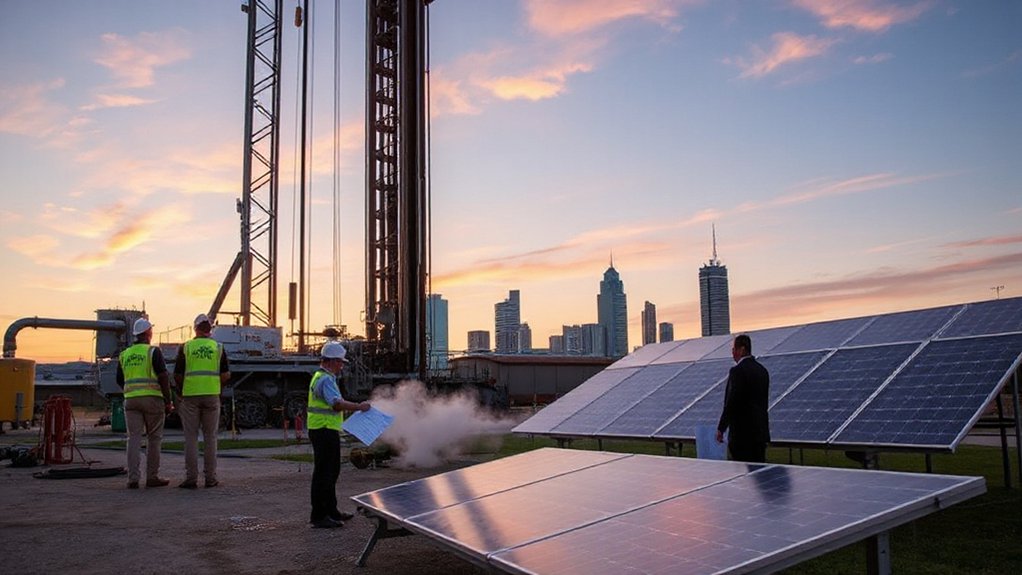
The real kicker? We’re voluntarily maintaining this fossil fuel infrastructure, actively choosing to stay on this expensive rollercoaster. Meanwhile, investment in renewables—you know, the cheaper alternatives—gets sidelined. This outdated approach continues despite global clean energy investment expected to exceed $2 trillion in 2024, far surpassing spending on oil, gas, and coal worldwide.
Australia’s energy strategy seems to be “hope for the best, prepare for nothing.” And the bill for this approach? It’s landing directly in consumers’ laps. Some strategy.
References
- https://www.accc.gov.au/media-release/lower-retail-petrol-prices-in-the-june-quarter-reflect-falls-in-international-prices
- https://ieefa.org/resources/australia-has-opportunities-protect-itself-global-energy-price-shocks
- https://www.abs.gov.au/statistics/economy/price-indexes-and-inflation/consumer-price-index-australia/latest-release
- https://australiainstitute.org.au/wp-content/uploads/2025/07/P1816-Gas-updates-gas-and-electricity-prices-WEB.pdf
- https://www.accc.gov.au/system/files/australian-petroleum-market-report-march-2025.pdf
- https://coremarkets.co/insights/australian-energy-environmental-market-update-june-2025
- https://www.industry.gov.au/publications/resources-and-energy-quarterly-june-2025