As battery energy storage systems continue to expand across the country, natural gas demand from power plants has dropped to its lowest level in recent memory. The electric power sector’s consumption of natural gas reportedly fell 3% in 2025 compared to the previous year, dropping to an average of roughly 35.8 billion cubic feet per day. This marks a significant shift in America’s energy panorama as renewable energy sources gain momentum.
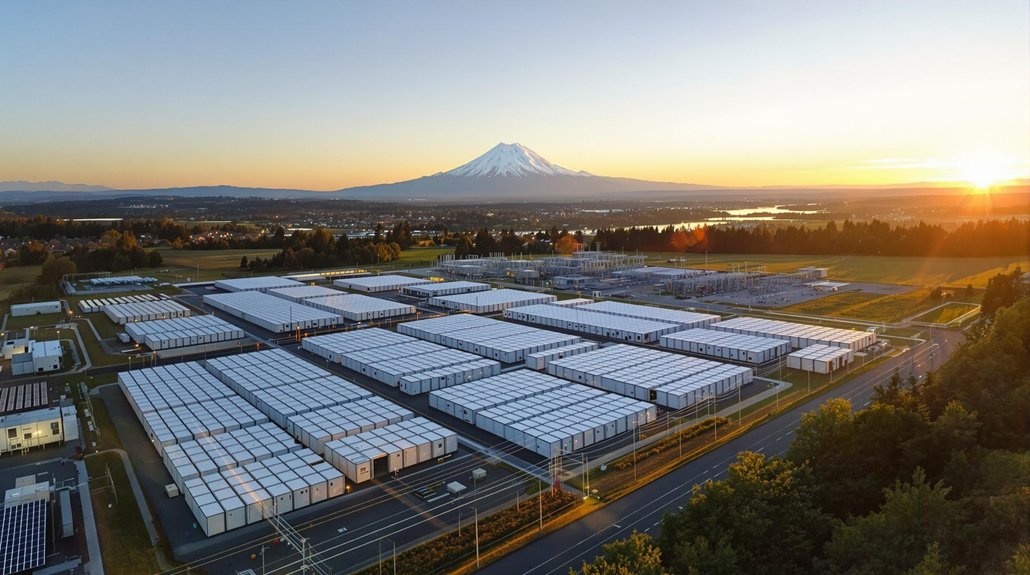
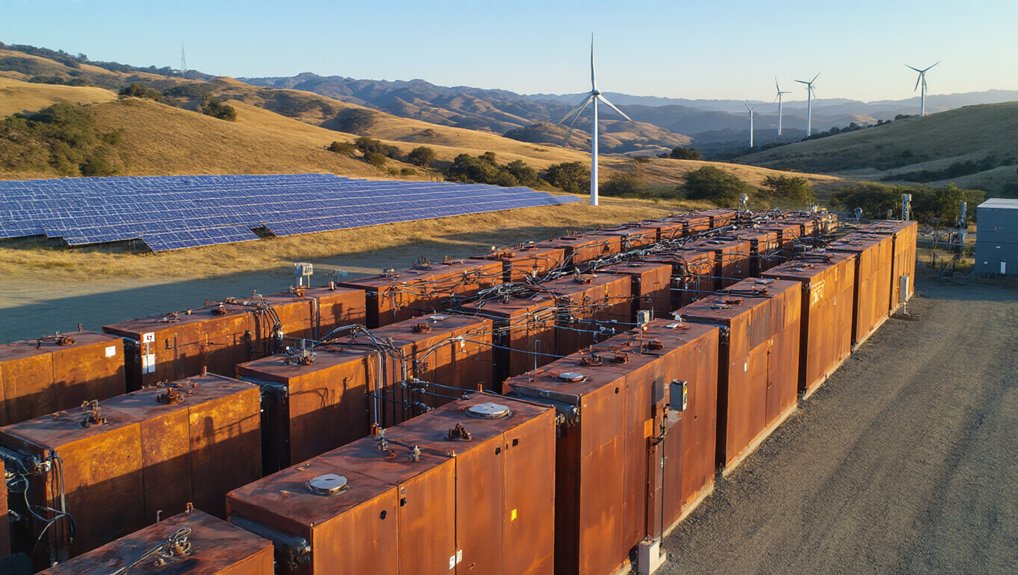
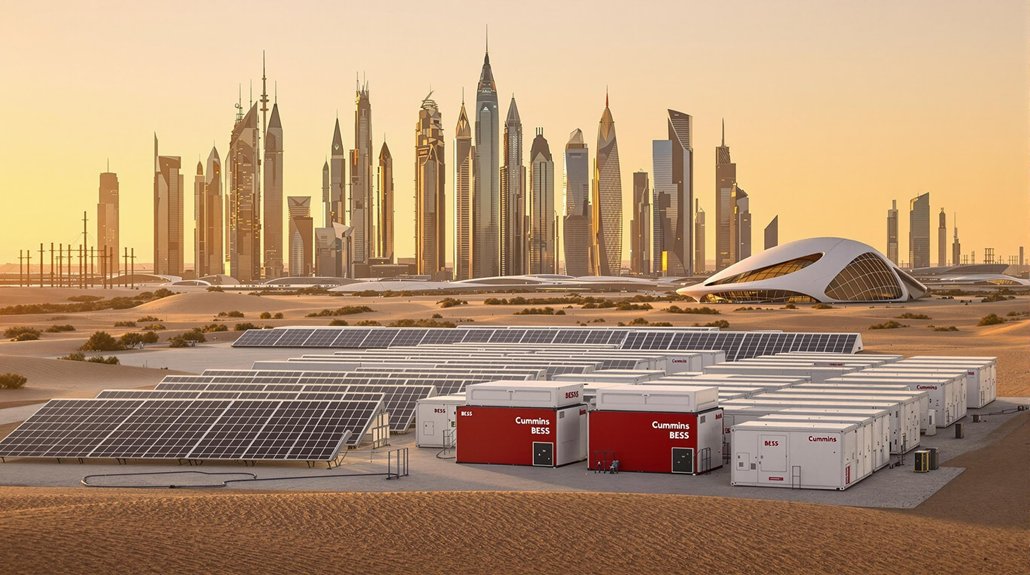
Battery energy storage has become a major player in the power industry. The storage market grew toward hundreds of gigawatt hours in 2025, continuing strong expansion. Energy storage now accounts for a growing share of overall battery demand, up from a much smaller portion in 2022. This rapid expansion shows how quickly the technology is transforming electricity generation and distribution. The deployment of large and small batteries has significantly reduced the need for gas peaking plants to meet evening demand peaks.
Battery energy storage has become a major player in the power industry, continuing strong growth in 2025 and now accounting for a growing share of overall battery demand.
The decline in natural gas usage from power plants happened during specific months. March saw the biggest drop, with notably lower consumption than the prior year. August experienced a similar decline, also coming in well below year-ago levels. These reductions occurred because solar and battery systems added in 2025 displaced natural gas-fired generation during many hours of the day.
Despite lower demand from power plants, the overall picture remains complicated. The electric power sector still remains the largest consumer of natural gas in the U.S. However, other sectors picked up the slack. Industrial users saw modest increases in natural gas consumption, while residential and commercial consumption rose notably. Overall U.S. natural gas consumption actually increased in 2025, reaching an estimated record average of 92 billion cubic feet per day. Colder conditions contributed to higher total natural gas use for heating across residential and commercial sectors.
Battery technology continues to advance rapidly. Battery production capacity expanded significantly in recent years, helping to accelerate deployment across the grid. The battery storage sector bridges renewable energy deployment by shifting power across time. This allows solar and wind power to be stored and used when the sun isn’t shining or wind isn’t blowing. Experts project continued strong growth for the energy storage market in 2026, suggesting that natural gas demand from power plants will likely continue declining as battery technology becomes more affordable and widespread. Analysts also note that lithium-ion battery prices have dropped nearly 90% since 2010, making large-scale storage deployment increasingly cost-competitive with traditional fossil fuel generation.