How quickly can the world’s largest carbon emitter transform its energy landscape? China’s not messing around anymore. With the 15th five-year plan (2026-2030) on the horizon, Beijing’s pushing an aggressive green agenda that’s reshaping the energy sector.
Beijing isn’t playing games with its green transition—it’s transforming the world’s largest carbon footprint at breakneck speed
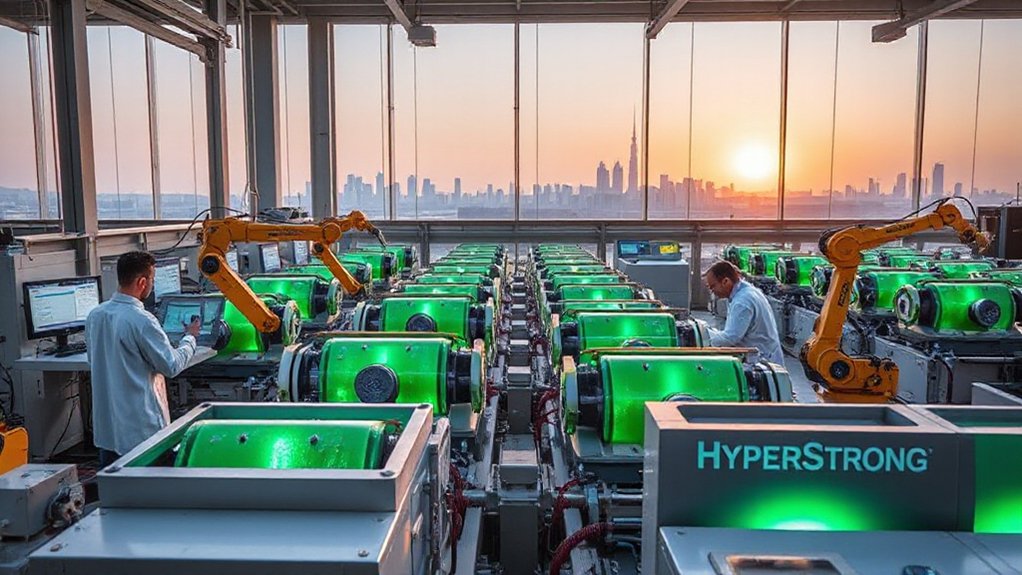
And companies like HyperStrong are betting big – 2 billion yuan big – that it’ll pay off. The new Energy Law taking effect January 1, 2025, isn’t subtle. It mandates minimum renewable proportions and prioritizes clean energy procurement.
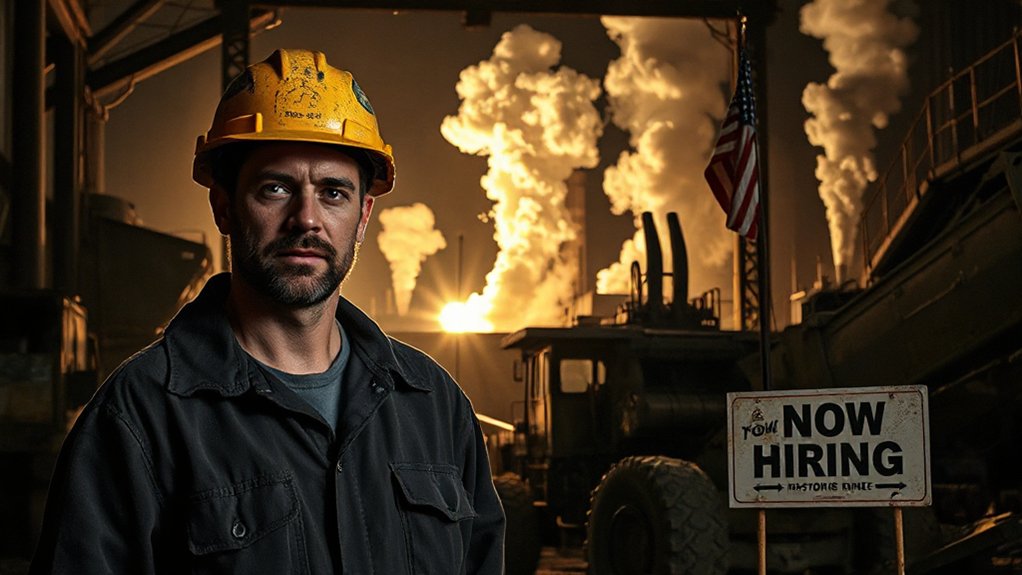
Translation: get green or get left behind. The steel industry’s feeling the squeeze with capacity swaps at a brutal 1.5:1 ratio nationwide. Ouch.
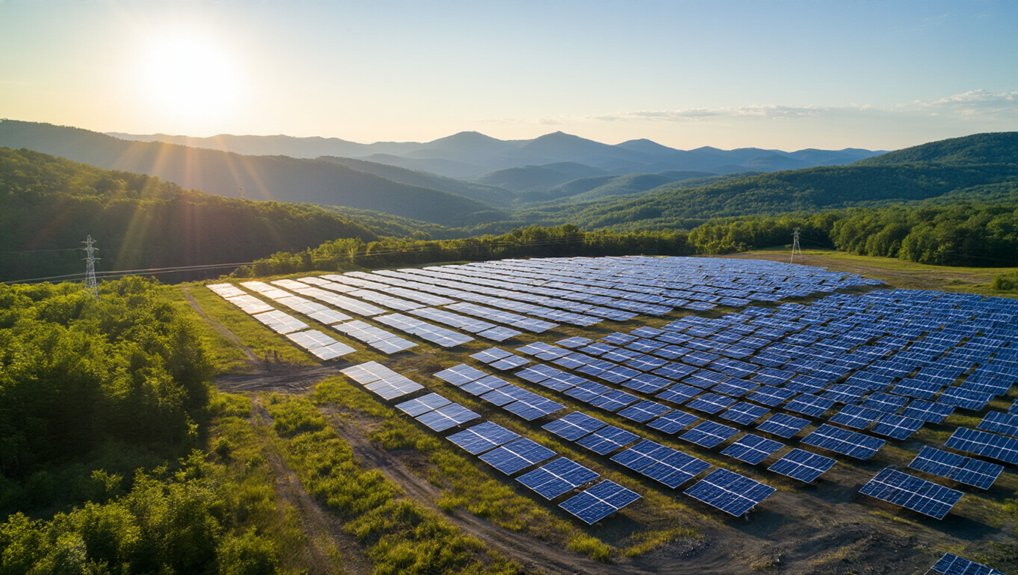
Wind power’s the golden child in this revolution. Targets are ambitious: 1.3TW by 2030, rocketing to 5TW by 2060. Industry lobbyists are pushing for 120GW annually over the next five years. Not small potatoes.
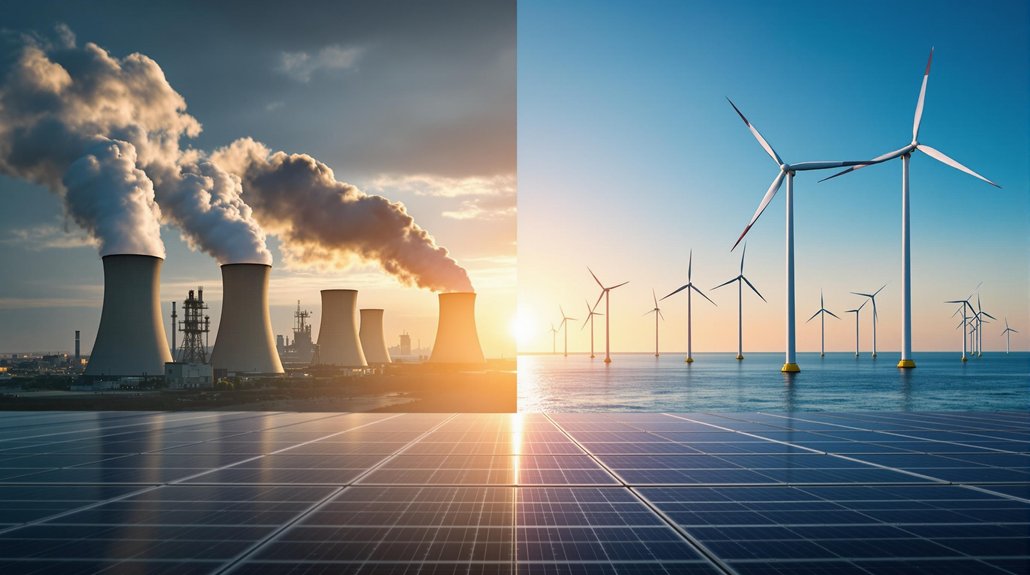
Meanwhile, the money’s flowing. Green bonds hit a record 70.3 billion USD in 2025 – over 17 percent of global climate bonds. Investors smell opportunity. And why wouldn’t they? The three-year action plan for energy storage aims to drive 250 billion yuan in direct investment by 2027. The shift mirrors global trends where renewable energy investments now exceed those in fossil fuels.
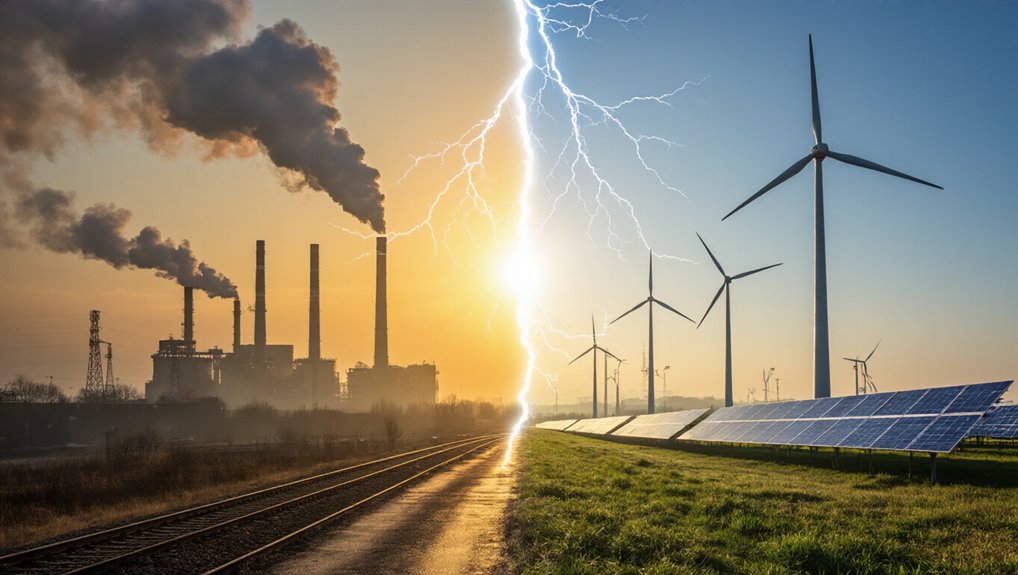
2025 marks a critical turning point. Coal’s still getting approvals – 11.29GW in the first quarter alone – but combined wind and solar capacity now exceeds thermal power. The Energy Law explicitly supports reasonable fossil fuel development while encouraging cleaner alternatives. The National Energy Administration’s plan envisions a future where coal consumption peaks soon, despite potential increases in the early years. The contradiction’s obvious. You can’t hit carbon neutrality by 2060 while building coal plants.
The revolution’s not just talk. Annual installations of 200GW new wind and solar capacity aren’t fantasy; they’re policy.
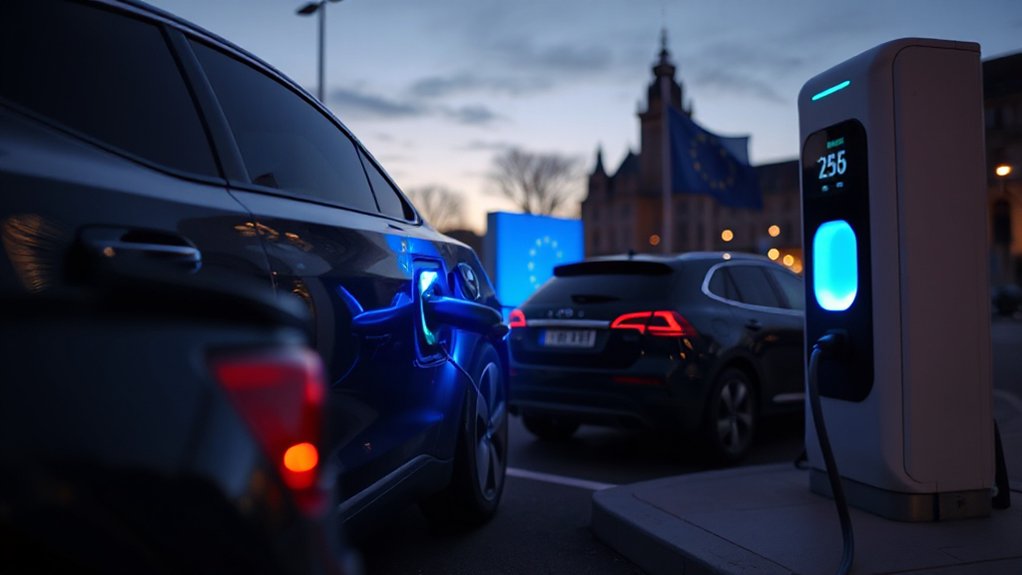
And with vehicle-to-grid tech advancing and new storage capacity targeting 180 million kW by 2027, the infrastructure’s catching up. China’s energy self-sufficiency push is reshaping global markets. Critics call it unrealistic. Supporters see genius.
Either way, Beijing’s betting the house on green tech. And companies like HyperStrong are all in.
References
- https://www.carbonbrief.org/china-briefing-30-october-2025-15th-five-year-plan-priorities-2035-wind-goal-vehicle-to-grid-tech/
- https://fiscalnote.com/blog/chinas-energy-law-2025
- https://english.www.gov.cn/news/202509/12/content_WS68c3ccbec6d00fa19f7a263f.html
- https://www.greenpeace.org/eastasia/blog/68075/why-2025-is-such-a-critical-year-for-chinas-energy-transition/
- https://www.climateandcapitalmedia.com/clean-energy-is-the-cornerstone-of-xi-jinpings-five-year-plan/
- https://climateenergyfinance.org/wp-content/uploads/2025/05/How-Xi-sparked-Chinas-electricity-revolution-FT-12-May-2025.pdf
- https://ember-energy.org/app/uploads/2025/09/China-Energy-Transition-Review-2025.pdf
- https://www.beijingenergycongress.com/industry-news/chinas-green-energy-revolution-powering-the-future-of-the-world/