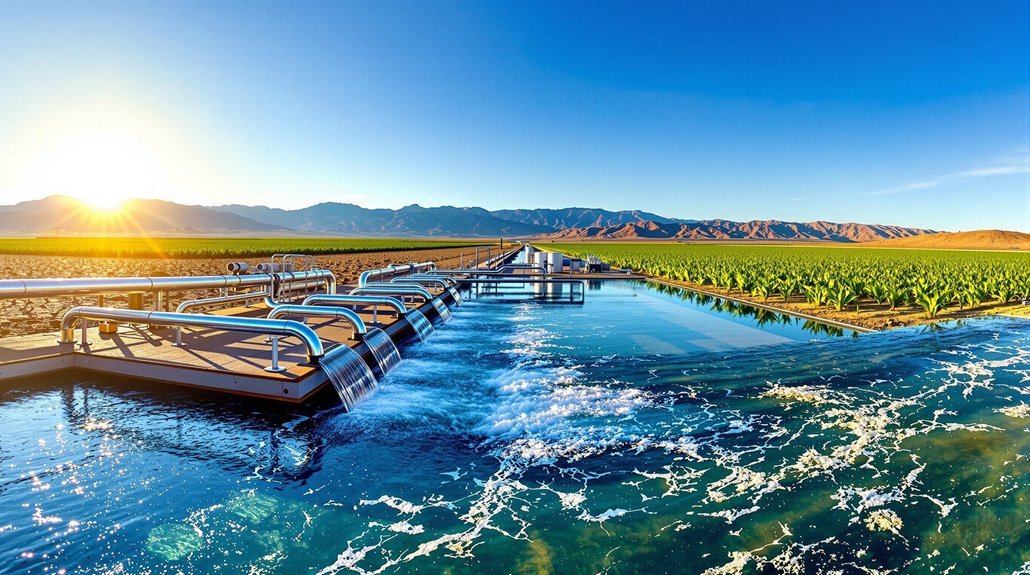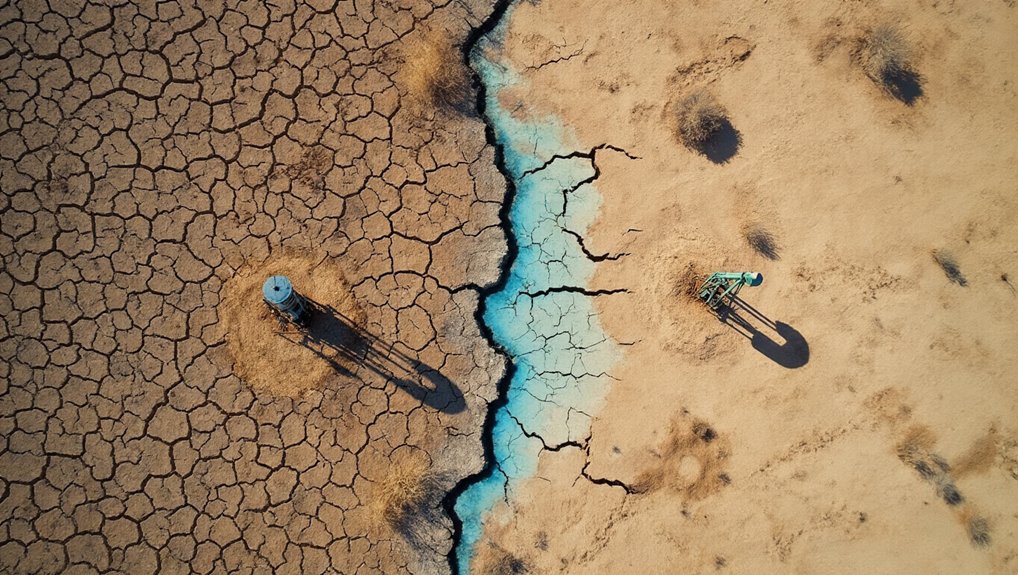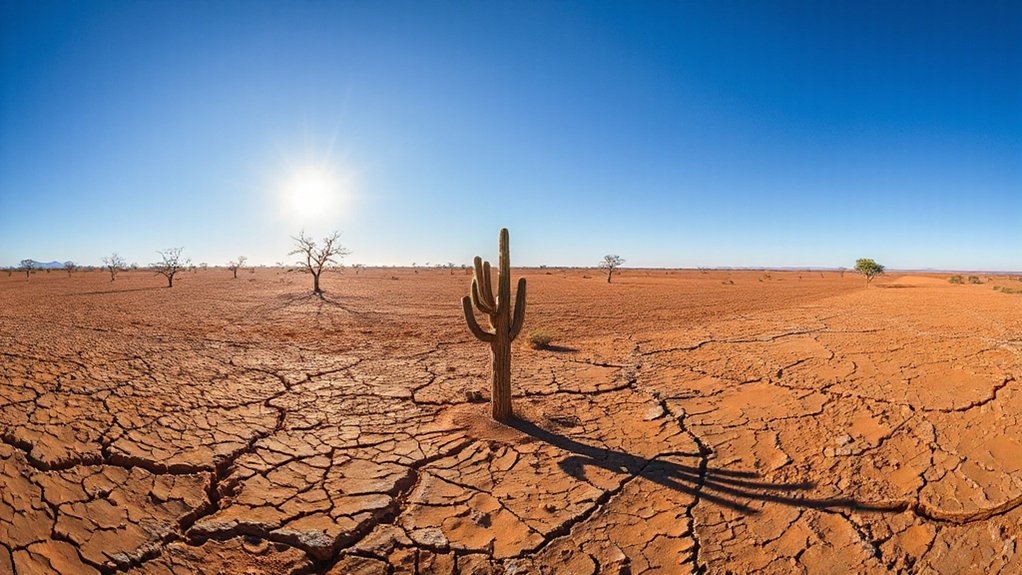

Though Brazil conjures images of lush rainforests and steamy jungles, its northeastern frontier tells a different story. Here lies the sertão, Brazil’s semi-arid “scorched zone” that stretches across the northeast interior. It’s harsh. Brutal, even. Not technically a desert by climate classifications, but tell that to the farmers watching their crops wither season after season.
Beyond the Amazon lies Brazil’s forgotten sibling: the sertão—harsh, unforgiving, and eternally thirsty.
The sertão’s caatinga vegetation clings to life amid seasonal droughts that hit with maddening unpredictability. Shallow soils, poor in organic matter, make agriculture a gamble that many lose. Cattle roam extensively, gradually degrading what patchy vegetation remains. The term “sertão” originates from Portuguese, literally translating to backwoods or bush. Locals joke that God created paradise elsewhere and forgot this corner entirely.
Meanwhile, along Brazil’s northeastern coast sits a paradox that would make any geographer do a double-take: Lençóis Maranhenses. Picture 156,000 hectares of brilliant white sand dunes rising up to 40 meters high. Looks like a desert, moves like a desert—the dunes migrate tens of meters yearly—but isn’t one. During the rainy season from January to June, thousands of temporary lagoons form between the dunes, creating an otherworldly landscape that’s half Sahara, half waterpark. This unique ecosystem was recognized for its exceptional beauty when it received UNESCO World Heritage Site designation in July 2024.
Brazil’s dryland troubles aren’t limited to natural formations. Human activities are accelerating desertification across multiple regions. Agricultural expansion tears into the Cerrado savanna. Deforestation strips protective cover from fragile soils. Poorly planned water management drains resources faster than they replenish. Climate variability just twists the knife deeper.
The Caatinga biome, found nowhere else on Earth, bears the brunt of this assault. Its xeric-adapted plants—specialized for extreme drought—are tough as nails but not invincible. The Cerrado, covering roughly 21% of Brazil, faces similar pressures.
Brazil has no true hot deserts, but without change, these frontier zones teeter on the edge of irreversible transformation. Paradise lost, scorched earth gained.
References
- https://en.wikipedia.org/wiki/Lençóis_Maranhenses_National_Park
- https://whc.unesco.org/document/208457
- https://www.britannica.com/science/sertao
- https://www.skratch.world/post/guide-to-discovering-brazils-lencois-maranhenses-national-park
- https://www.youtube.com/watch?v=biGJ_5t30Lk
- https://pressbooks.pub/worldregionalgeography/chapter/chapter-8-south-america/
- https://en.wikipedia.org/wiki/Cerrado