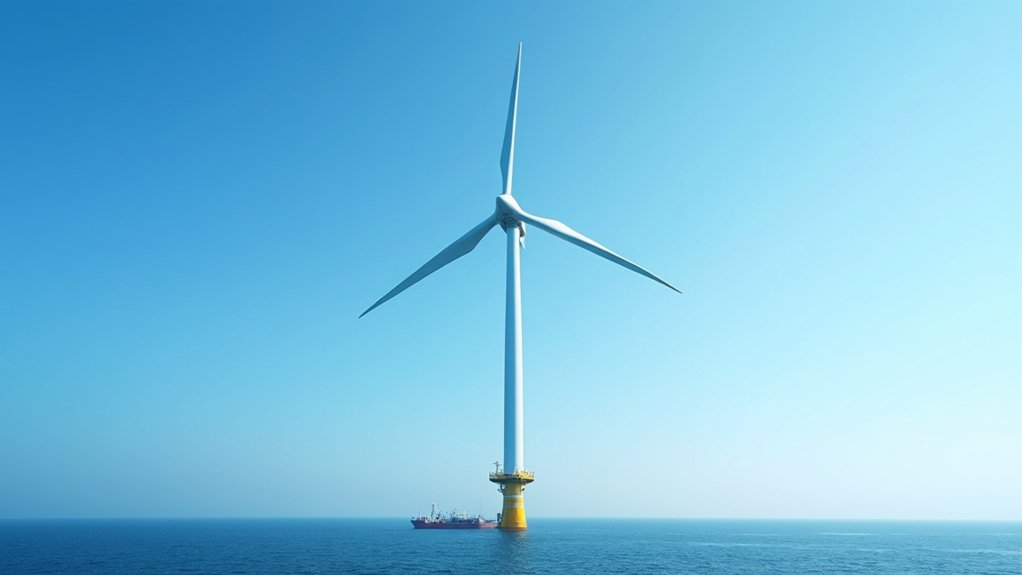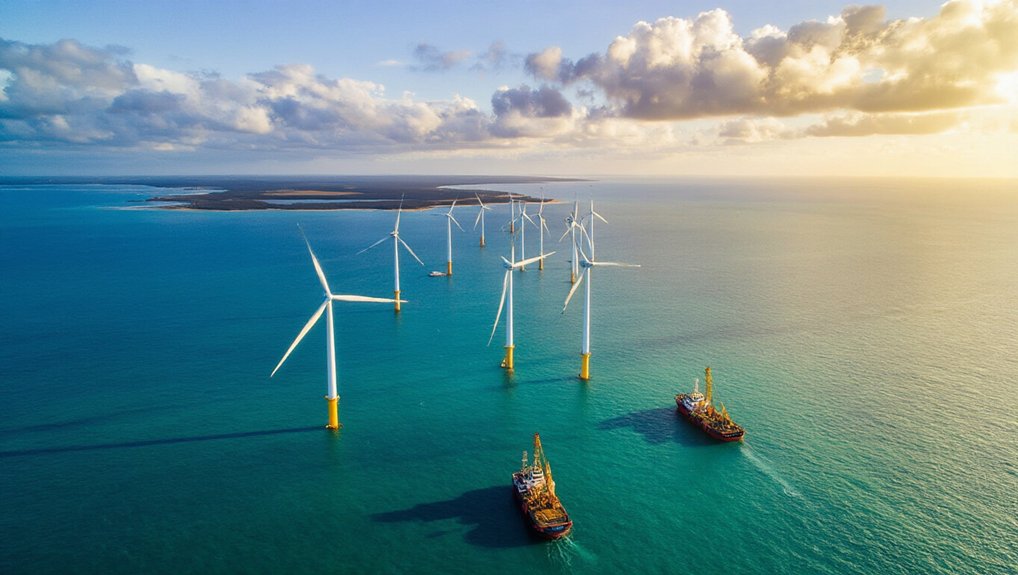

A wind farm. That’s what Western Australia is getting, and it’s massive. The federal government just handed Bunbury Offshore Wind Farm Pty Ltd a preliminary feasibility license on June 3, 2025, clearing the way for what could become a 1.5GW renewable energy powerhouse.
Located more than 30 kilometers off Bunbury’s coast, this project could power a million homes. That’s not pocket change. The state needs 50GW of additional generation by 2042, so every bit helps. Climate Change Minister Chris Bowen and Assistant Minister Josh Wilson made the announcement jointly, probably patting themselves on the back for advancing Australia’s offshore wind industry.
Here’s where it gets messy. Two other projects are fighting over the southern area of the Bunbury wind zone. Westward Wind and Bunbury Offshore Wind Farm both want the same patch of ocean. The government’s solution? Tell them to figure it out themselves. Because nothing speeds up renewable energy development like making companies duke it out over territory.
Nothing speeds up renewable energy development like making companies duke it out over territory.
The timeline feels glacial. Construction might start in 2033 if everything goes perfectly. That’s eight years away. Completion? Try 2036. By then, who knows what climate targets we’ll have missed. Meanwhile, other zones face similar delays – Oceanex and Equinor just got an additional 90 days to decide whether they even want to pursue their Hunter zone feasibility licence.
But the jobs are real. Nine hundred workers during construction, 450 permanent positions afterward. That’s substantial for Bunbury’s economy. The government’s even creating a special committee with developers, First Nations groups, unions, and local industry. Democracy in action, though committees aren’t exactly known for their speed.
There was initial confusion about which company was which. Equinor and Oceanex Energy’s joint venture got mixed up with Bunbury Offshore Wind Farm. Classic bureaucratic clarity.
The feasibility license is just step one. Environmental assessments come next, then public consultation, then commercial licensing, then financing. This echoes the permitting issues that have created significant delays in renewable project development globally. Each stage could derail the whole thing. The government expects only one project per developer to advance for final assessment, turning renewable energy into a competition rather than a collaboration. This comes as global clean energy investment is projected to hit $2.2 trillion in 2025, making Australia’s slow progress look even more frustrating.
Western Australia’s wind transformation is happening. Eventually. Maybe. If the paperwork goes through and the developers stop squabbling over ocean real estate.
References
- https://www.argusmedia.com/en/news-and-insights/latest-market-news/2694888-w-australia-s-bunbury-offshore-wind-project-moves-ahead
- https://reneweconomy.com.au/bowen-awards-bunbury-offshore-wind-licences-and-new-deadline-for-sole-project-in-hunter-zone/
- https://www.argusmedia.com/news-and-insights/latest-market-news/2694888-bunbury-offshore-wind-project-moves-ahead-correction
- https://utilitymagazine.com.au/fed-gov-powers-up-wa-offshore-wind/
- https://www.ecogeneration.com.au/offshore-wind-expands-bunbury-feasibility/