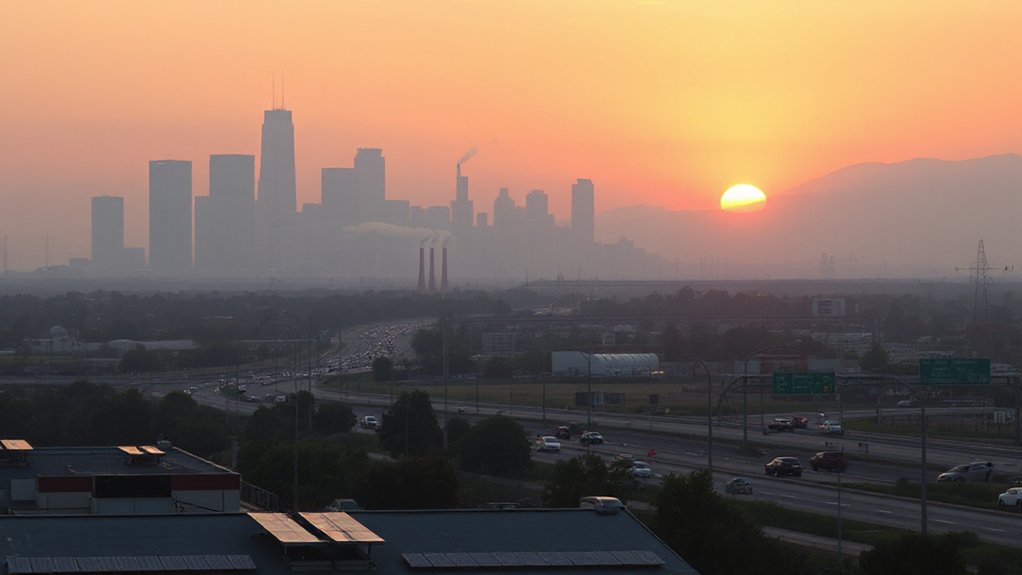

The Golden State has been on a carbon diet. California’s emissions have dropped 115 million metric tons since peaking in 2004—a steady downward slide that recently included “one of its single largest” annual declines. Great news, right? Well, sort of.
The math doesn’t quite add up. California’s been cutting emissions by about 2.8% annually in recent years. Not bad until you realize the state needs 4.4% yearly reductions to hit its 2030 targets. At current rates, California will reach its 2030 goal around… 2035. Oops.
California’s carbon diet needs to become a crash regimen—simple math shows we’re five years behind schedule.
The targets aren’t just feel-good numbers. They’re law. AB 1279 demands net-zero greenhouse gas emissions by 2045 with at least 85% reduction from 1990 levels. SB 32 and AB 32 set the rules for getting there. The latest Scoping Plan actually aims higher—suggesting California should hit 48% below 1990 levels by 2030, not just the mandated 40%. California’s efforts align with global trends where clean electricity milestone has surpassed 40% of power generation for the first time since the 1940s.
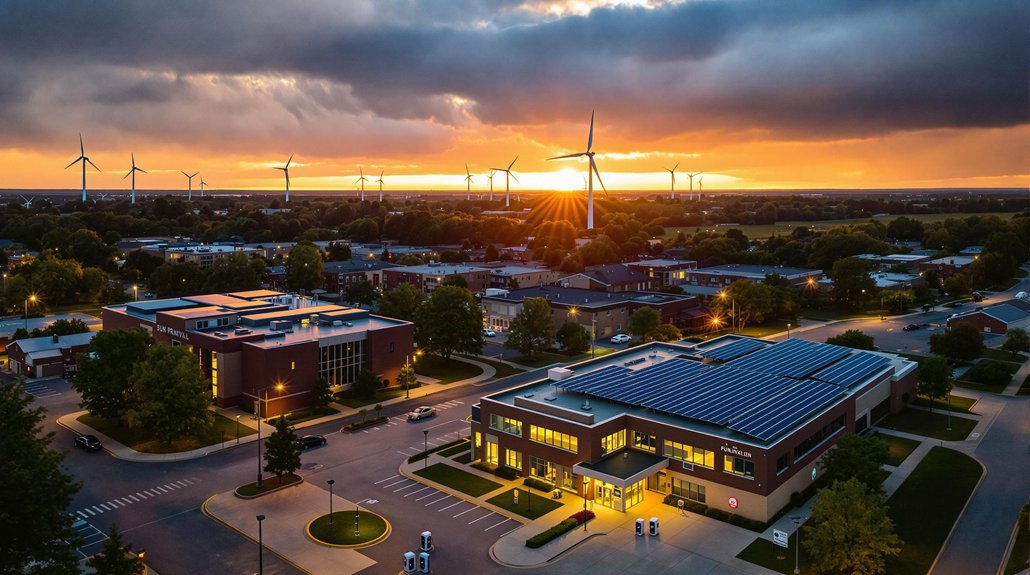
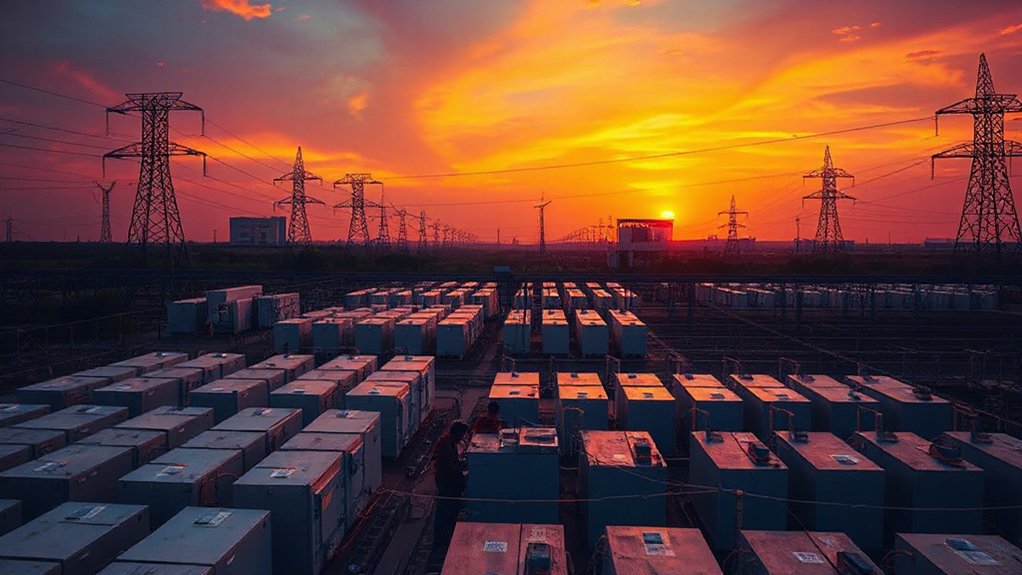
Transportation remains California’s pollution problem child. The state’s $10.1 billion ZEV package aims to electrify all passenger vehicles by 2035. The state has already achieved its target of 1.5 million zero-emission vehicles two years ahead of schedule. Meanwhile, the electricity sector is frantically installing renewables and battery storage—8,551 MW planned soon—to keep pace.
Carbon dioxide removal (CDR) is the state’s Plan B. By 2045, California expects to need about 75 million metric tons of CDR annually to counterbalance stubborn emissions. The state has established minimum quality standards for carbon offsets to ensure true atmospheric carbon reduction rather than mere emissions avoidance. Natural lands, engineered solutions, soil management—they’re throwing everything at the wall. But officials insist: CDR isn’t an excuse to slack on actual emission cuts.
Recent progress is impressive. Refrigerant changes, industrial efficiencies, and cleaner electricity have all contributed. Yet climate math is unforgiving. The pace must accelerate dramatically to reach net-zero by 2045.
California’s climate ambition is undeniable. Its actual trajectory? Let’s just say the Golden State needs to turn its carbon diet into a crash regimen—and fast.
References
- https://legiscan.com/CA/text/SB285/id/3189088
- https://calepa.ca.gov/climate-dashboard/
- https://www.wri.org/insights/california-legislation-carbon-removal
- https://cleantechnica.com/2025/12/23/california-records-one-of-its-single-largest-drops-in-climate-pollution-on-record/
- https://www.ucop.edu/sustainability/policy-areas/climate-change/index.html
- https://usclimatealliance.org/press-releases/governors-pressing-forward-sep-2025/
- https://www.alm.com/press_release/alm-intelligence-updates-verdictsearch/?s-news-23255661-2025-12-23-california-experts-confirm-lack-of-progress-in-emission-reduction
- https://www.law.berkeley.edu/research/clee/research/climate/climate-policy-dashboard/