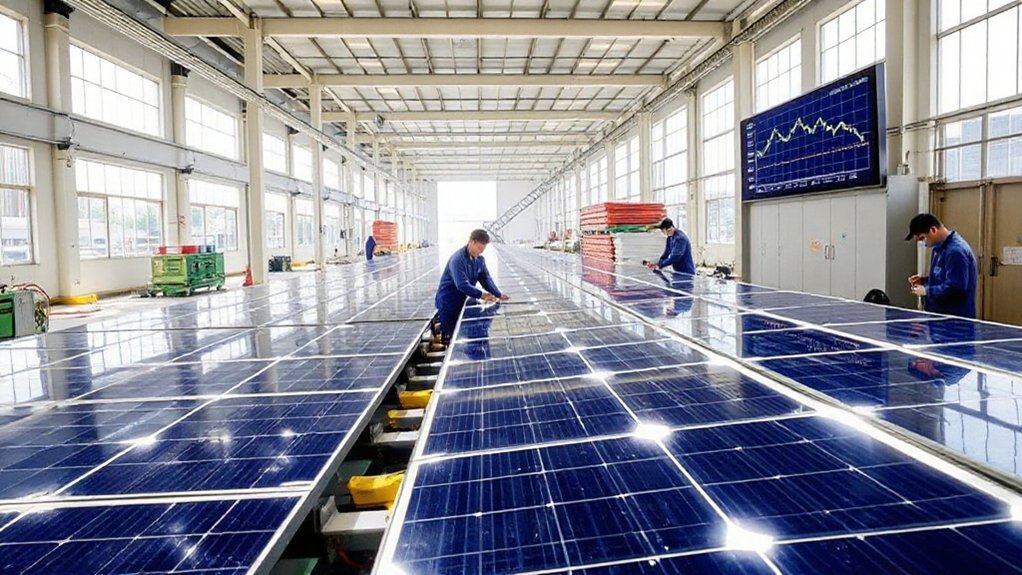
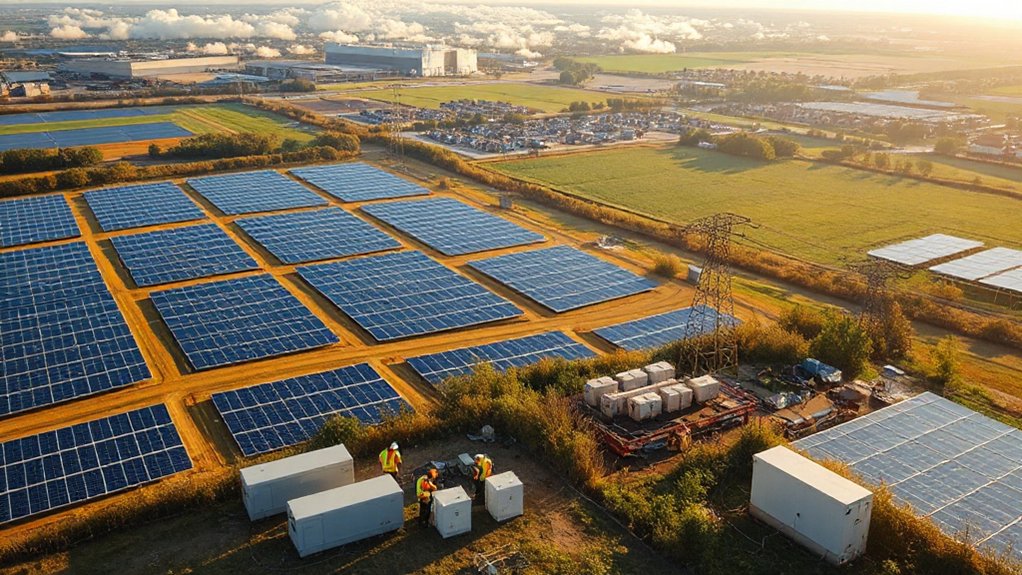
Beijing dropped a bombshell on the global solar industry this week. China’s Ministry of Finance and State Taxation Administration announced plans to completely eliminate the 9% value-added tax export rebates for photovoltaic products. The changes kick in April 1, 2026, covering everything from silicon wafers and solar cells to complete modules.
Oh, and related materials like conductive glass and quartz products? They’re toast too.
It’s the second major policy shift in just over a year. Remember December 2024? That’s when China already slashed rebates from 13% to 9%. Now they’re taking the whole darn thing away.
Battery manufacturers aren’t getting off easy either. Their rebates will drop from 9% to 6% between April and December 2026, before disappearing completely in 2027. Tough luck for lithium-ion batteries, battery packs, and even those fancy vanadium flow storage systems.
The government’s reasoning? Pretty straightforward, actually. Chinese solar exports have been flooding global markets with rock-bottom prices, triggering anti-dumping investigations left and right. The rebates were basically subsidizing foreign buyers at China’s expense.
Beijing’s tax move acknowledges reality: they’ve been subsidizing foreign solar buyers while triggering global trade backlash.
Smart move? Maybe.
Industry analysts at TrendForce think this will separate the weak from the strong. Companies barely scraping by on thin margins? They’re done for. Premium players with actual innovation? They’ll survive the purge.
Expect a mad rush of exports before April 2026. The official announcement was released on January 9, 2026, giving manufacturers almost three months to adjust their strategies. Shipping companies, get ready for chaos.
The market impact is anyone’s guess, but one thing’s certain: Chinese manufacturers will feel the squeeze. With 9% vanishing from their bottom line, something’s gotta give. Either prices go up or profits go down. Probably both.
This marks a fundamental shift in China’s approach to its clean energy industry – moving from “let’s flood the world with cheap panels” to “let’s build factories globally.” The solar industry just got a lot more interesting. And expensive.
The Ministry of Finance paired this announcement with explanations about economic implications for the global renewable energy supply chain, particularly regarding international market competitiveness.
References
- https://solarquarter.com/2026/01/10/china-ends-solar-export-tax-rebates-sets-phase-out-timeline-for-battery-incentives/
- https://english.news.cn/20260109/95c62162f0654fabb32738f827941684/c.html
- https://www.energychannel.co/post/china-announces-changes-to-solar-export-tax-rebates-with-impact-expected-to-reach-brazil-in-2026
- https://www.pv-tech.org/chinas-ministry-of-finance-to-remove-export-tax-rebates-for-solar-pv-products-in-april-2026/
- https://english.news.cn/20260109/a487f75469e44f8699bd63d6f8fce37c/c.html
- https://www.chinadaily.com.cn/a/202601/10/WS6961e299a310d6866eb330e9.html
- http://www.xinhuanet.com/english/20260109/95c62162f0654fabb32738f827941684/c.html
- https://news.metal.com/newscontent/103713367/china-adjusts-export-tax-rebate-policies-for-pv-battery-products-from-2026