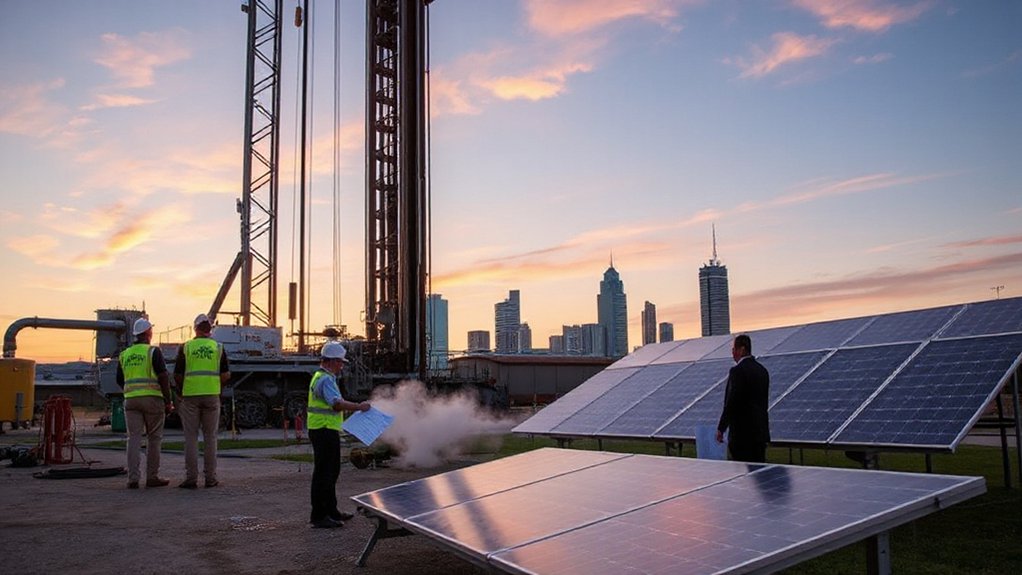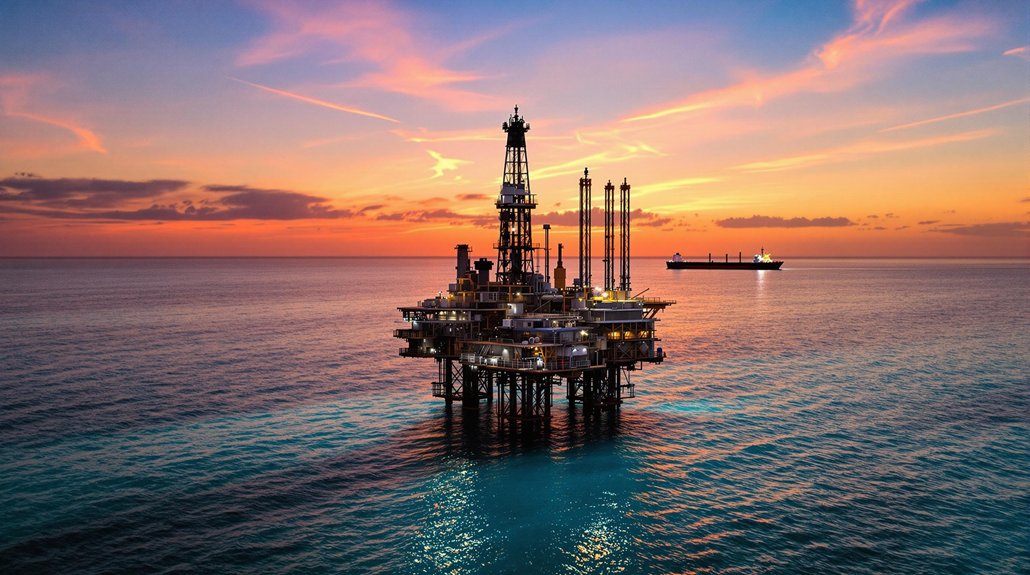

Chinese energy giant CNOOC has sold its Gulf of Mexico oil and gas assets to British company INEOS for $2 billion. The sale includes CNOOC’s U.S. subsidiary and stakes in major deepwater projects like Shell’s Appomattox platform. This retreat comes amid rising U.S.-China tensions. For INEOS, it’s their third major U.S. energy investment in three years, boosting their production capacity considerably. The deal reshapes energy ownership patterns in the strategic Gulf region.
Chinese energy giant CNOOC has sold off its Gulf of Mexico oil and gas assets for $2 billion to British company INEOS. The deal includes CNOOC’s U.S. subsidiary and several valuable stakes in major deepwater projects, including 21% of Shell’s Appomattox platform and 25% of Hess’s Stampede platform.
This sale is part of CNOOC’s broader strategy to streamline its global portfolio and reduce its presence in Western markets. The Chinese company has been pulling back from regions where it faces growing geopolitical risks and potential sanctions. Rising tensions between the U.S. and China, especially following China’s position on Russia’s invasion of Ukraine, have accelerated this retreat.
For INEOS, this acquisition represents a significant expansion of its energy operations. It’s the company’s third major investment in the U.S. energy sector within three years, bringing their total U.S. energy investments to over $3 billion. The company’s energy arm now produces more than 90,000 barrels of oil equivalent per day.
“These deepwater Gulf assets are a valuable addition to our growing energy portfolio,” an INEOS representative stated. The company has previously invested in Texas shale oil and an LNG deal with Sempra, showing its commitment to the American energy market.
Despite selling its U.S. assets, CNOOC hasn’t abandoned its international strategy completely. The company still maintains significant overseas interests, including a 25% stake in Exxon’s Stabroek Block in Guyana. The move comes as many energy companies reassess their supply chains amid trade policy uncertainty affecting the renewable energy sector.
The transaction highlights how geopolitical factors are reshaping energy ownership patterns globally. Foreign investors continue to find U.S. energy assets attractive, even as Chinese companies retreat from these markets.
For INEOS, these newly acquired assets will support both its traditional energy business and its energy evolution goals, which include carbon storage projects. The announcement on December 15, 2024 marked a significant milestone in the changing landscape of international energy investments. INEOS CEO David Bucknall has emphasized their focus on providing reliable, affordable energy while pursuing transition strategies. The deal positions INEOS as a stronger competitor in the deepwater Gulf of Mexico, an area known for its profitable and technically advanced energy production.