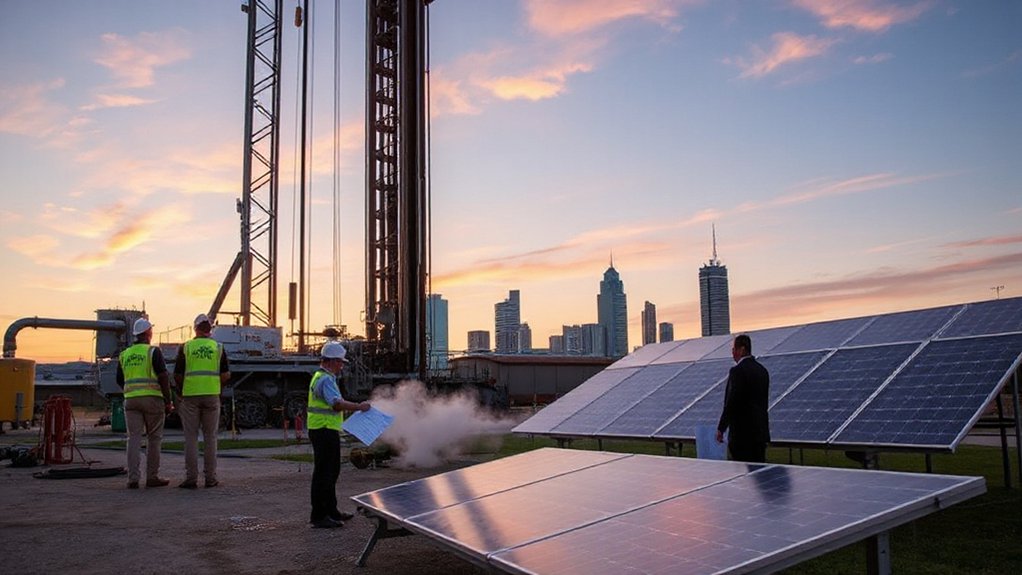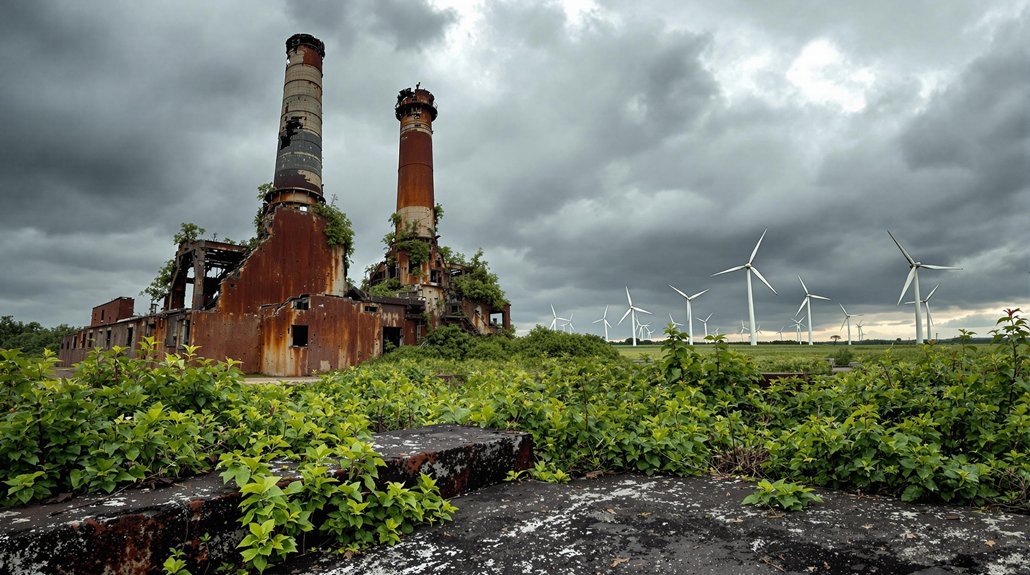

Coal’s facing a brutal reality check. Since 2015, sixty nations have abandoned new plant construction while U.S. production hit a 30-year low. Natural gas dethroned coal in electricity generation that same year, marking a historic power shift. Coal stockpiles sit idle, representing billions in frozen capital. Environmental regulations aren’t helping, but honestly, it’s market forces doing the real damage. The industry’s slow-motion collapse shows no signs of stopping anytime soon.
Coal is plummeting—and fast. U.S. production hit a 30-year low in 2015, dropping 10% to 900 million short tons. Remember when coal was king? Well, the crown is slipping. Monthly deliveries crashed from 80 million tons in 2008 to a measly 30 million in 2024. Not exactly a ringing endorsement for the industry’s health.
The Appalachian Basin got absolutely hammered, with production nosediving 40% in 2015. Tough mining conditions and high costs are killing profitability. No wonder companies are shutting down operations. The EIA predicts U.S. coal will plunge to 469 million tons by 2025. That’s not a decline—it’s a free fall.
Natural gas prices dropped from $4.38/MMBtu to $2.61/MMBtu between 2014 and 2015. Cheaper gas, cheaper renewables. Coal never stood a chance. In 2015, natural gas actually surpassed coal in electricity generation. First time ever. Historic shift.
As natural gas prices plummeted, coal’s fate was sealed. A historic power shift happened right before our eyes.
Global markets aren’t offering any relief either. Australian and South African coal prices have collapsed more than 60% from their 2022 peaks. Analysts project global prices will tank another 28% in 2024, with 12% more in 2025. Ouch.
Meanwhile, power plants are sitting on mountains of unused coal. The current 138 million ton stockpile represents a staggering $6.5 billion in idle capital for power producers. Stockpiles ballooned in 2009, 2012, and 2020, creating massive oversupply. Utilities aren’t buying—they’re burning through existing stockpiles instead. This process can drag on for three years, keeping demand depressed.
Environmental regulations aren’t helping coal’s case. Neither is global policy shifting toward cleaner energy. Despite Rick Perry’s memo emphasizing the importance of baseload power resources, coal’s decline continues unabated. Trump’s administration has attempted to revive the industry through an Energy Emergency declaration, but market forces continue to favor renewables over fossil fuels. China’s demand fluctuates but can’t reverse the worldwide trend.
The numbers don’t lie. Coal’s in trouble across every metric—production, prices, stockpiles, and market share. Renewables keep getting cheaper while coal struggles with high costs and environmental concerns. Sixty nations halting new plant construction since 2015 tells you everything.
Coal isn’t just declining. It’s collapsing in slow motion, right before our eyes.