
Scientists have found a way to make batteries last longer using protein from corn. This discovery could transform electric vehicles and renewable energy storage. The corn protein, called zein, creates a special barrier that helps lithium-sulfur batteries keep 62% of their power after 500 uses. Regular batteries only maintain 16%. It’s an environmentally friendly solution since corn is renewable and biodegradable. What other everyday materials might hold the key to tomorrow’s energy breakthroughs?
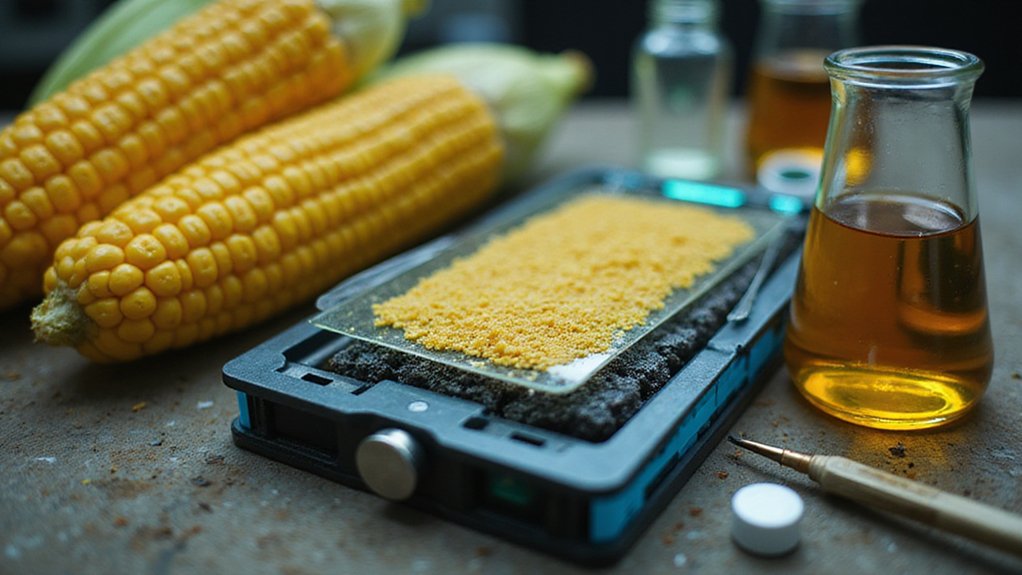
While batteries power our everyday devices, a surprising new ingredient might transform their performance – corn. Scientists have discovered that zein, a protein found in corn, can considerably improve lithium-sulfur batteries when used as a coating for battery separators.
The corn protein works by creating a special barrier inside the battery. Zein’s amino acids interact with battery materials in ways that help lithium ions move more efficiently while reducing unwanted chemical reactions. The protective barrier specifically prevents the shuttle effect and dendrite formation that typically limit the lifespan of lithium-sulfur batteries. To make sure the protein coating stays effective, researchers added a flexible plastic that prevents it from folding.
Test results show impressive improvements. Batteries with the corn protein separators kept about 62% of their capacity after 500 cycles of use. Standard batteries without the corn protein retained just 16% of their capacity after the same number of cycles. This means batteries with corn protein last much longer and work better.
The environmental benefits are remarkable too. Corn is a renewable resource that’s already grown worldwide. Using corn protein reduces the need for materials made from fossil fuels. It’s also biodegradable, making it better for the environment when batteries are eventually disposed of.
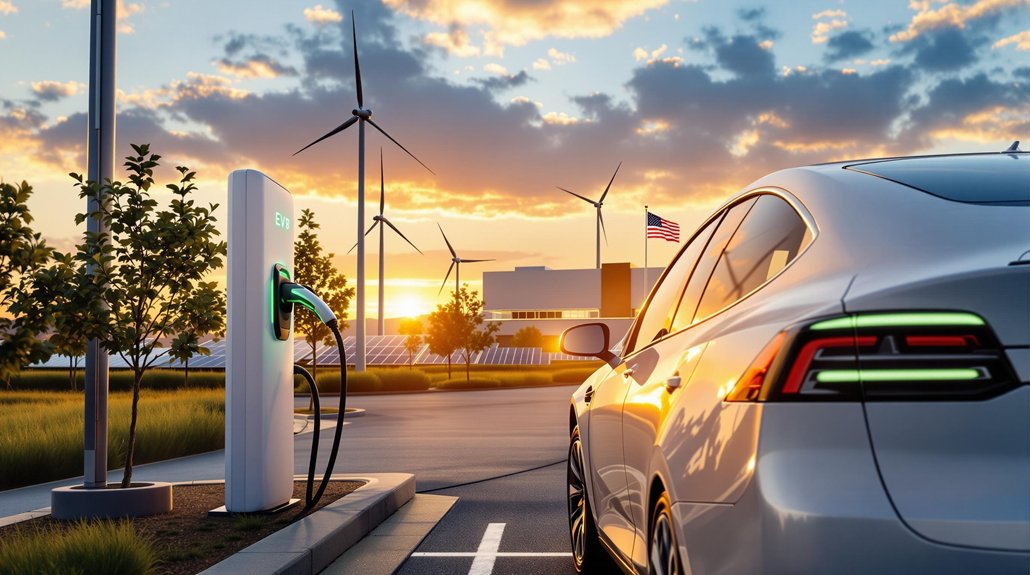
This technology could help electric vehicles go farther on a single charge and make them more practical for everyday use. It could also improve large-scale energy storage systems that support renewable energy sources like wind and solar power. This innovation could potentially contribute to the growing energy storage market that’s projected to reach $31.2 billion by 2029.
The innovation isn’t just clever science – it makes economic sense too. Corn is abundant and affordable, which could help keep battery costs down. The manufacturing process can be scaled up for mass production, making it practical for industry adoption.
As researchers continue to refine this corn-based approach, it represents a promising example of how natural materials can solve complex technological challenges. The research findings from Washington State University hold significant promise for improving the clean energy sector amidst today’s climate change challenges. Nature’s solution might just power our future in ways we never expected.