Nuclear power plants are increasingly being used to produce hydrogen, a clean fuel that could help reduce pollution. Two major facilities in the United States—Davis-Besse in Ohio and Palo Verde in Arizona—are leading this effort by converting nuclear energy into hydrogen production.
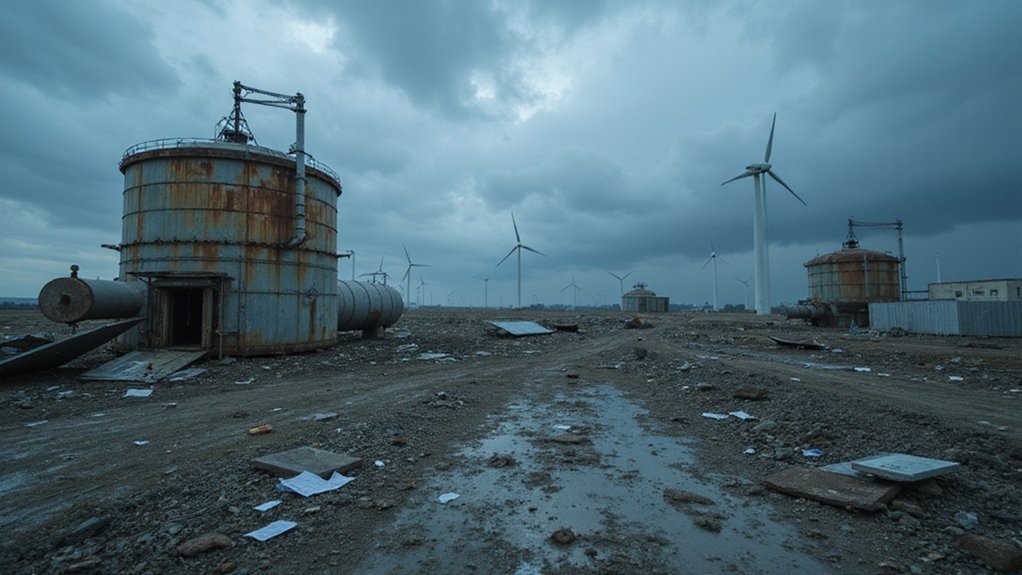
Davis-Besse Nuclear Power Station operates as an 894-megawatt reactor in Oak Harbor, Ohio. Energy Harbor partnered with the Department of Energy to develop hydrogen production at the site. The facility planned to use low-temperature electrolysis systems, which split water into hydrogen and oxygen. Davis-Besse’s initial hydrogen production capacity was projected at roughly 1-2 megawatts. However, production timelines faced delays. Davis-Besse was initially expected to produce hydrogen by 2023, though the project faced delays and was subsequently scrapped due to economic challenges.
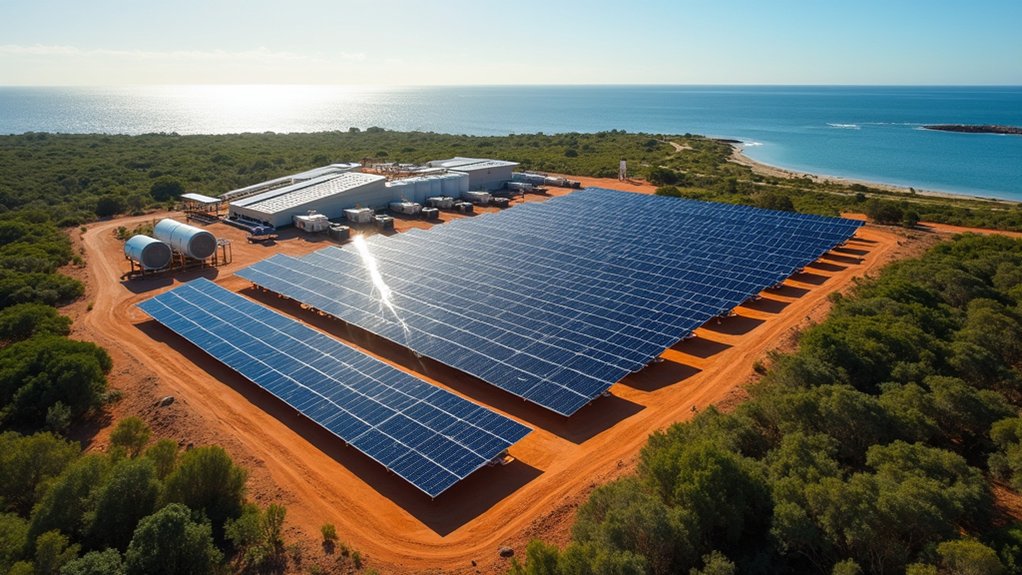
Palo Verde Generating Station in Arizona received $20 million in DOE funding for similar hydrogen demonstrations. This facility planned a much larger operation, with 15-20 megawatts of low-temperature electrolysis capacity. Palo Verde expected to produce 6-8 tons of hydrogen daily. The original production timeline was anticipated for 2024. About half of the hydrogen produced would be stored and converted to gas for use in peaking turbines.
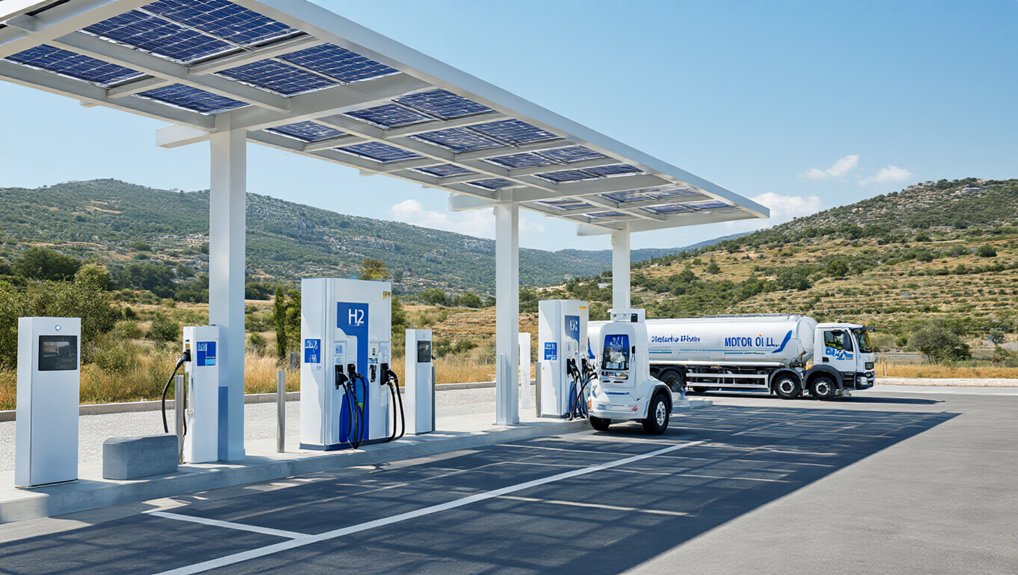
Together, these two plants represent a significant step toward using nuclear energy for hydrogen production. The potential is enormous when scaled up nationally. By some accounts, a single 1,000-megawatt nuclear reactor could theoretically produce more than 200,000 tonnes of hydrogen annually. Ten reactors operating at that capacity could produce approximately two million tonnes yearly, based on that single-reactor estimate. The Nuclear Hydrogen Initiative reportedly includes more than 40 organizations across industry, government, nonprofit, and academia to advance nuclear hydrogen demonstrations. These partnerships align with DOE’s Hydrogen Shot goals to support demonstration projects and reduce hydrogen production costs. The Hydrogen Shot initiative is reported to specifically target a production cost of $1 per kilogram within a decade, a benchmark that would significantly improve the economic viability of nuclear-produced hydrogen.
Currently, the United States consumes an estimated ten million tonnes of hydrogen annually. The two-million-tonne annual production from ten reactors would represent about one-fifth of current US hydrogen consumption. This underscores nuclear hydrogen’s potential as a decarbonization pathway.
Beyond these two plants, approximately 12 demonstration hydrogen projects with combined electrolyzer capacity of 250 megawatts are operating globally. These projects span Canada, China, Russia, the United Kingdom, and the United States. Energy Harbor also joined the Great Lakes Clean Hydrogen Coalition to develop regional hydrogen hub infrastructure. The coalition aimed to position the Midwest as a leader in clean energy transitions while supporting local manufacturing and transportation services through hydrogen production.
References
- https://www.nucnet.org/news/us-initiative-aims-for-productions-with-nuclear-energy-from-davis-besse-9-4-2022
- https://www.hydrogen.energy.gov/docs/hydrogenprogramlibraries/pdfs/review22/ne_overview_2022_p-pdf.pdf?sfvrsn=a28b00fc_0
- https://www.world-nuclear-news.org/Articles/Energy-Harbor-and-Toledo-s-Great-Lakes-hydrogen-p
- https://www.power-eng.com/hydrogen/these-four-u-s-nuclear-plants-will-start-producing-clean-hydrogen/
- https://en.wikipedia.org/wiki/Davis–Besse_Nuclear_Power_Station
- https://www.iaea.org/sites/default/files/2025-09/hydrogen-production-with-operating-nuclear-power-plants.pdf
- https://www.eia.gov/nuclear/reactors/reactorcapacity.php