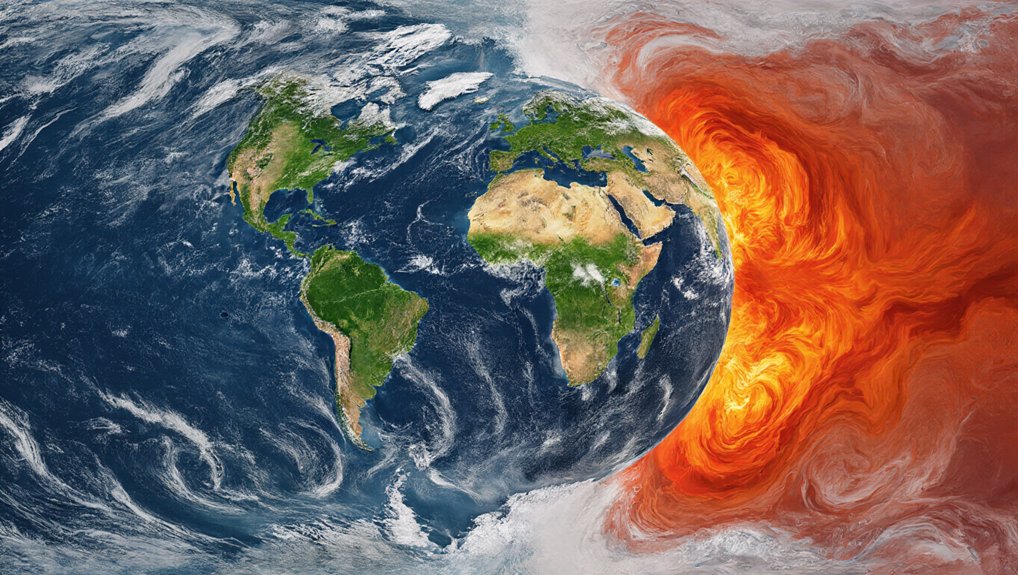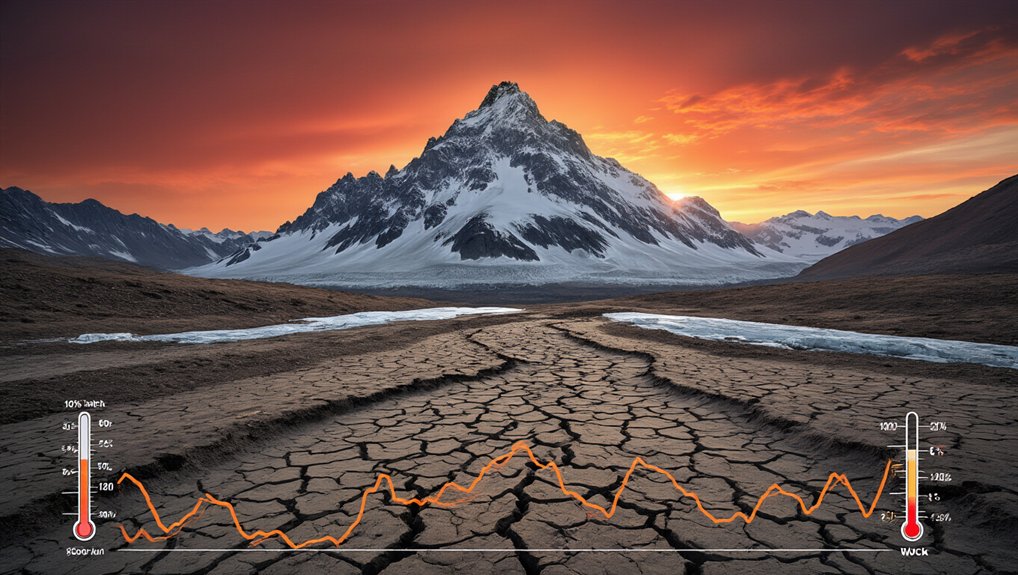
As scientists analyze the latest climate data, Earth’s warming trend shows no signs of slowing down. Our planet has heated up by approximately 2°F (1.1°C) since 1850, with the temperature climbing at an average rate of 0.06°C per decade. Seems small? Think again. That steady creep adds up fast.
The numbers don’t lie. 2025 started as the second-warmest beginning to any year on record, following the scorchers of 2023 and 2024. January through May clocked in at a toasty 1.25°C above the 20th-century average. April 2025 wasn’t much better—the second-warmest April ever recorded at 14.96°C.
Berkeley Earth gives 2025 a 34% chance of breaking all previous temperature records. Great. Another “hottest year” trophy for humanity’s shelf.
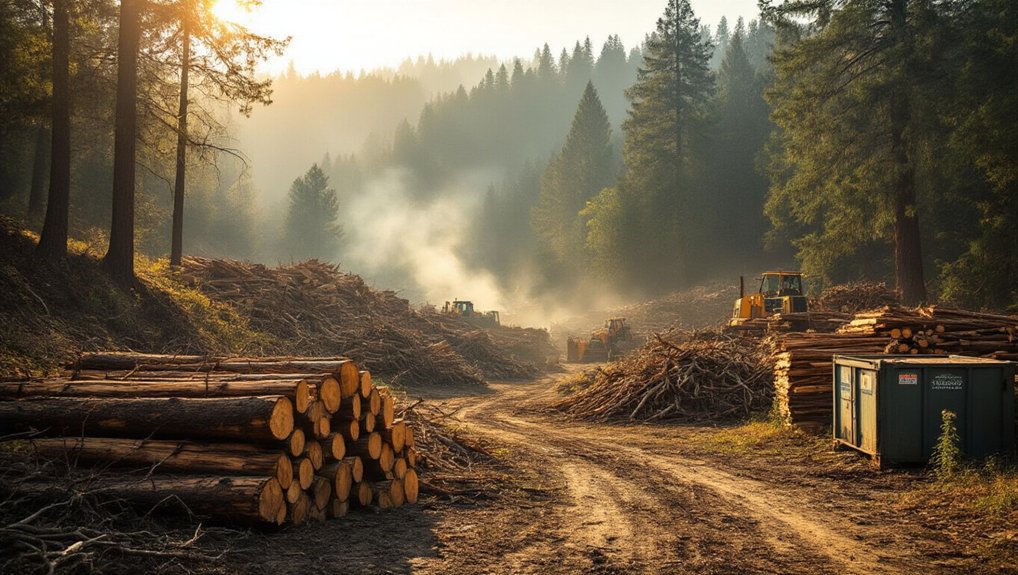
What’s behind this heat wave? Greenhouse gases, primarily. We keep pumping CO₂ and methane into the atmosphere like there’s no tomorrow. Ironically, that might be true if we don’t stop. El Niño and La Niña cycles contribute too, but they’re just nature’s mood swings on top of our long-term meddling. Deforestation doesn’t help either. While traditional energy sources contribute to this crisis, recent fusion ignition achievements could eventually provide a zero-carbon alternative to our power needs.
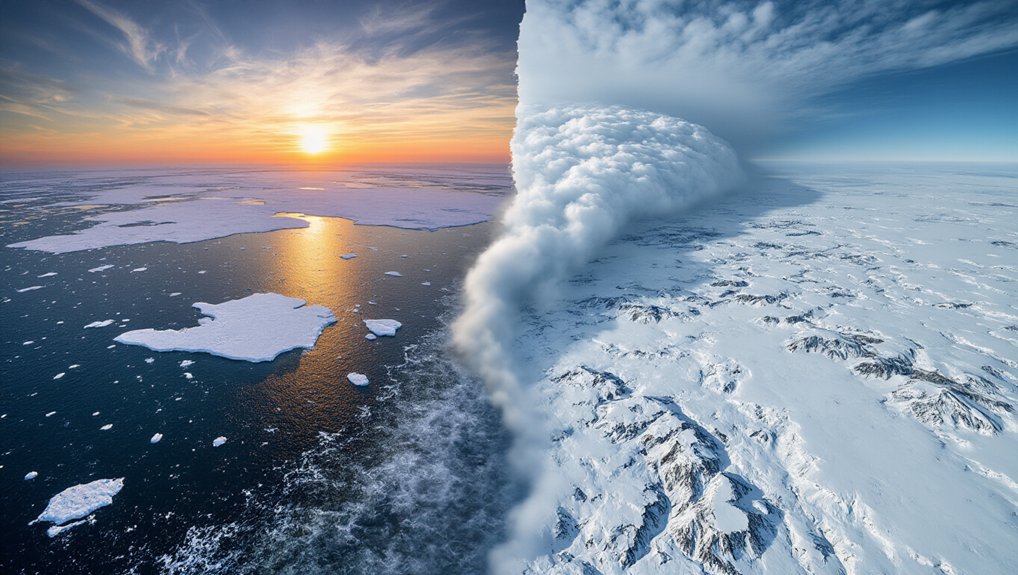
The warming isn’t equal everywhere. Arctic regions are heating up to four times faster than global averages. The WMO predicts Arctic warming will be more than three and a half times the global average, reaching 2.4°C above recent norms. The North Atlantic’s practically boiling compared to historical norms. Some places get heatwaves, others droughts. The climate system doesn’t play favorites.
Scientists track these changes through ground-based measurements and satellites, comparing temperature anomalies against long-term averages. Multiple independent research groups all point to the same conclusion: it’s getting hotter.
Looking ahead, the World Meteorological Organization expects temperatures to hover near record levels through 2029, with projections showing 1.2°C to 1.9°C above pre-industrial levels. The 12-month period ending April 2025 shows temperatures already sitting at 0.70°C above the 1991-2020 average. The implications are serious—more heatwaves, bigger wildfires, rising seas threatening coastal communities. Food security? Increasingly dicey.
The data is clear. Earth is warming, fast. And we’re feeling the heat.
References
- https://wmo.int/news/media-centre/global-climate-predictions-show-temperatures-expected-remain-or-near-record-levels-coming-5-years
- https://www.climate.gov/news-features/understanding-climate/climate-change-global-temperature
- https://climate.copernicus.eu/copernicus-second-warmest-april-globally-global-temperature-still-more-15degc-above-pre-industrial
- https://www.ncei.noaa.gov/access/monitoring/monthly-report/global/202505
- https://www.carbonbrief.org/state-of-the-climate-2025-close-behind-2024-as-the-hottest-start-to-a-year/