Natural gas is losing ground in America’s power sector. The U.S. Energy Information Administration (EIA) reports that natural gas use in electric power fell 3% in 2025. That’s even as the country set a new record for total electricity generation.
Natural gas is losing its grip on U.S. power, even as electricity generation hits record highs.
Total U.S. electricity generation hit 4.43 thousand terawatt-hours (TWh) in 2025. That’s a 2.8% jump from 2024. Data centers, homes, businesses, and factories all used more power. Retail electricity sales rose across every sector.
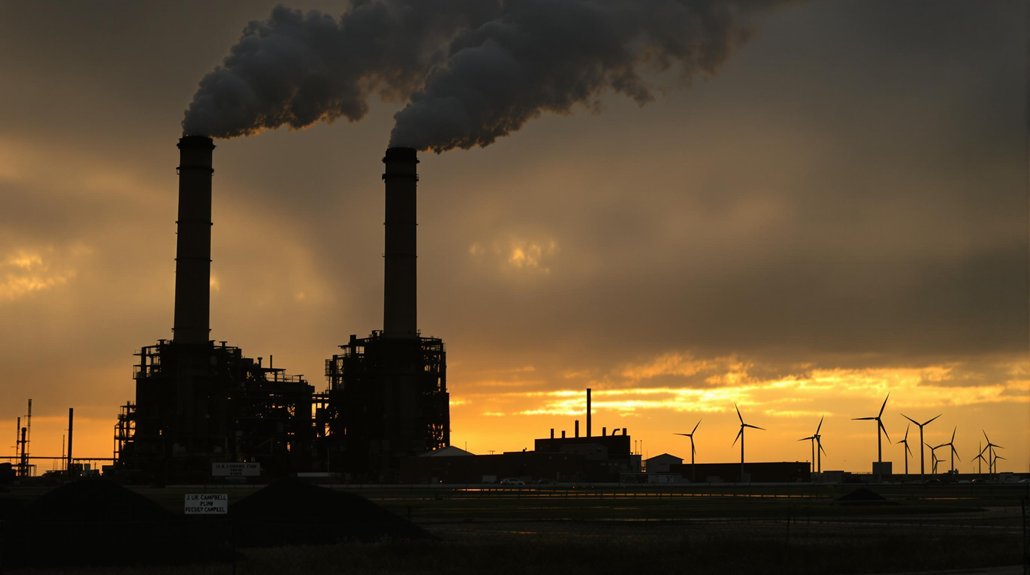
Natural gas still made up 40% of all power generation in 2025. But it’s losing market share to coal, solar, and wind. Solar and wind are growing fast, and they’re taking a bigger slice of the pie.
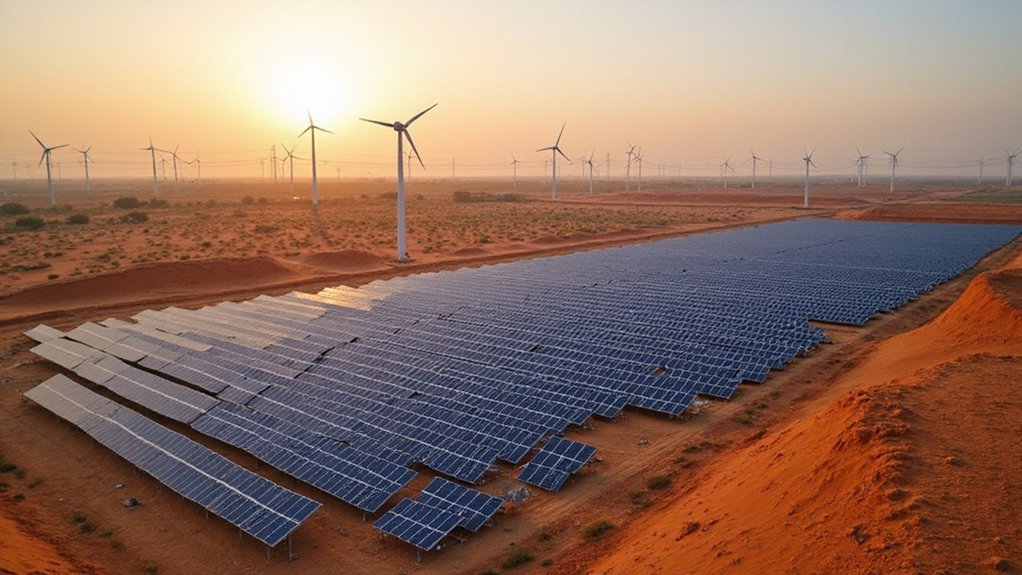
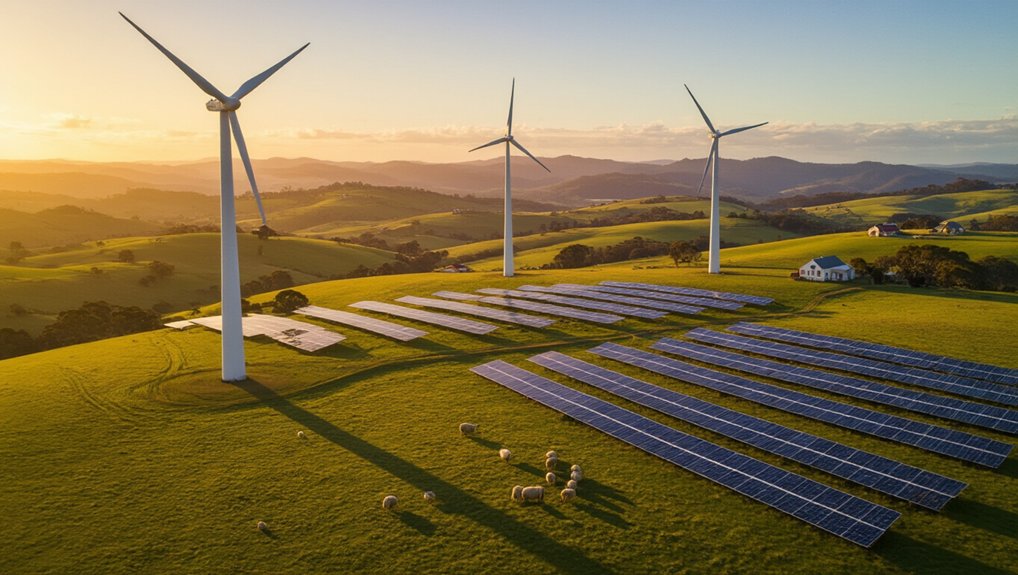
Solar’s rise is one of the biggest stories in energy right now. It’s expected to reach 18% of the generation mix by 2026. Solar is also set to be the top source of new large-scale power capacity next year. New wind and solar projects are expected to make up roughly 80% of all capacity additions through 2035. This growth is supported by solar panel costs having reportedly decreased by over 80% in the last decade, making solar increasingly competitive against conventional energy sources.
Even though natural gas lost ground in the power sector, it didn’t lose overall. Total U.S. natural gas consumption hit a record 92 billion cubic feet per day (Bcf/d) in 2025. Other sectors, like heating and industry, picked up the slack. January 2025 set a single-month record at 126.8 Bcf/d. Residential sector demand alone surged an estimated 11% in 2025, reflecting the impact of colder conditions and increased space heating needs.
Higher natural gas prices played a role in the shift. Henry Hub prices jumped 56% to $3.52 per million British thermal units (MMBtu). Since natural gas sets the price for electricity in most hours, wholesale power prices also rose. The ISO-NE region saw the largest average price increase, hitting $29 per megawatt-hour (MWh). Meanwhile, the Mid-Columbia region in the upper Northwest saw prices fall by $14/MWh.
Looking ahead to 2026, the U.S. expects to add a record 86 gigawatts (GW) of grid capacity. Coal’s share is projected to drop to 16%, while solar climbs to 18%. Most of the new demand growth is expected in Texas and the mid-Atlantic region, driven largely by data centers. Overall natural gas consumption is forecast to decrease slightly in 2026 due to expected milder weather in winter months, which will reduce heating demand in the residential and commercial sectors.
References
- https://www.industrialinfo.com/news/article/eia-us-sets-new-record-for-net-power-generation-in-2025–354485
- https://www.eia.gov/todayinenergy/detail.php?id=65984
- https://www.eia.gov/todayinenergy/detail.php?id=67284
- https://www.utilitydive.com/news/electric-power-sector-natural-gas-eia/815192/
- https://www.eia.gov/outlooks/aeo/
- https://www.eia.gov/outlooks/aeo/electricity_generation/
- https://www.eia.gov/naturalgas/monthly/
- https://energyanalytics.org/renewable-power-capacity/