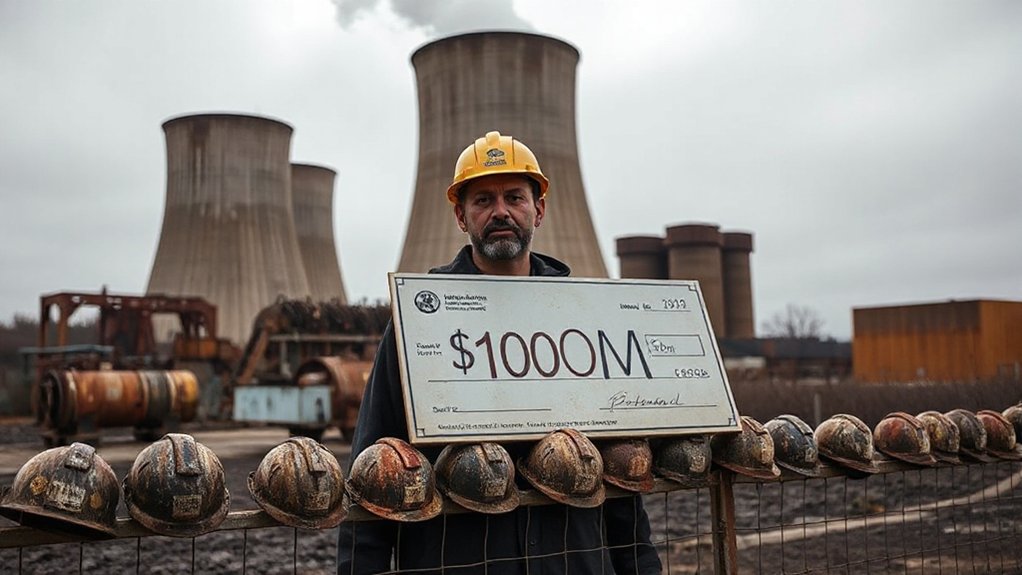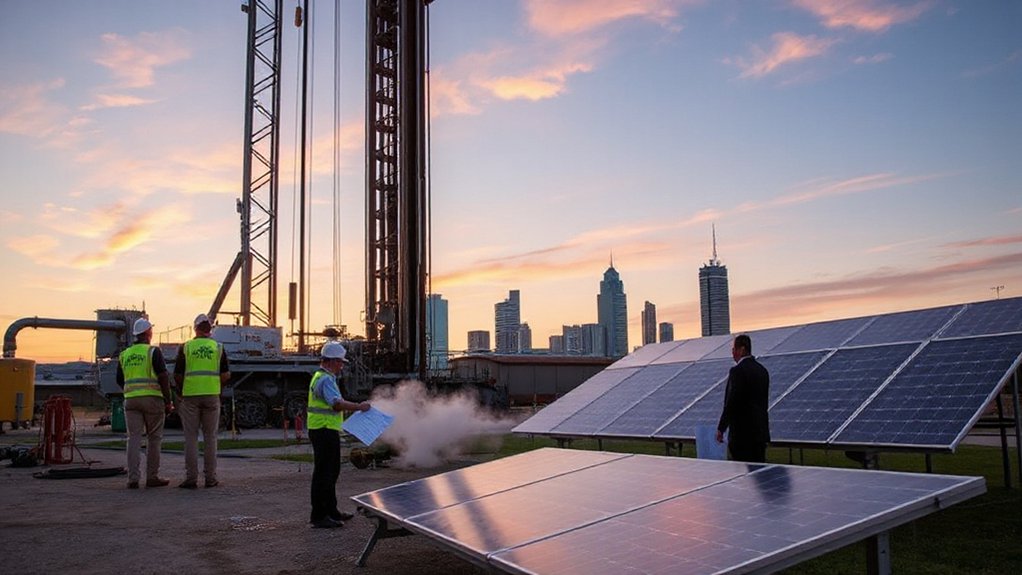
While the rest of the nation races toward renewable energy, Ohio remains stubbornly behind. Ranking 47th in utility-scale electricity from renewables, the Buckeye State generates a paltry 3.8% of its power from green sources—nowhere near the national average of 20%. Talk about an underachiever.
Ohio’s renewable energy performance is like showing up to a marathon in flip-flops—woefully unprepared and embarrassingly behind.
The recently passed House Bill 15 might change things. It offers property tax breaks for renewables built on brownfields and abandoned coal mines. Plus, it loosens restrictions on behind-the-meter generation. Progress, finally? Maybe.
But Ohio’s renewable environment remains a mess of contradictions. The state requires 8.5% renewables by 2026 (with a tiny 0.5% solar carve-out), yet simultaneously allows local governments to ban green energy projects outright. It’s like building a highway with random roadblocks every few miles.
Business leaders are getting antsy. The Ohio Business Roundtable wants a 90-day permitting process for new generation projects. Currently? It takes about a year.
Meanwhile, energy-hungry data centers keep popping up, demanding more power that the state’s aging infrastructure struggles to provide.
The state’s 600,000 acres of minelands and brownfields could host massive solar and wind installations. Perfect opportunity, right? Except developers face a gauntlet of local opposition and regulatory uncertainty. No wonder investment dollars often flow elsewhere.
Federal incentives could help, offering financial carrots where state policy provides mostly sticks. But federal intervention might trigger backlash from state and local officials who guard their authority jealously.
Ohio’s industrial sector gobbles up a third of the state’s energy, contributing to higher emissions and energy use per capita. Despite promising job creation potential in the renewable sector that could employ thousands of additional workers beyond the current 110,000, the political emphasis remains fixed on gas and nuclear expansion. Despite promising steps in HB 15, the reality is that 34 Ohio counties have already banned utility-scale solar development in part or all of their territories.
This resistance to renewables stands in stark contrast to national trends, where battery storage capacity nearly doubled in 2024, enhancing grid stability for variable renewable sources.
The question isn’t whether Washington will crush Ohio’s green energy renaissance. The real question: can there be a renaissance when the state keeps one foot firmly planted in the past?
For now, Ohio’s clean energy future remains cloudy, with a chance of missed opportunities.
References
- https://www.greatlakesnow.org/2025/05/why-the-solar-industry-is-counting-ohios-newest-energy-law-as-a-win/
- https://cleanchoiceenergy.com/news/renewable-energy-in-ohio
- https://policymattersohio.org/research/values-value-and-corporate-sustainability/
- https://www.statenews.org/section/the-ohio-newsroom/2025-03-12/can-ohio-keep-the-lights-on-power-demand-is-outpacing-supply
- https://www.dickinson-wright.com/news-alerts/ohio-house-bill-15-odonnell-shimp