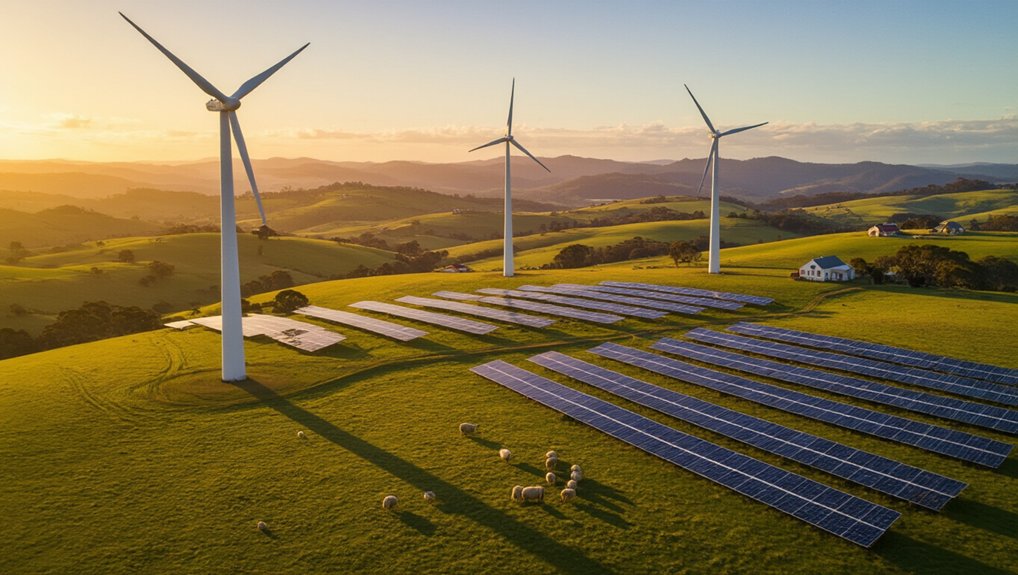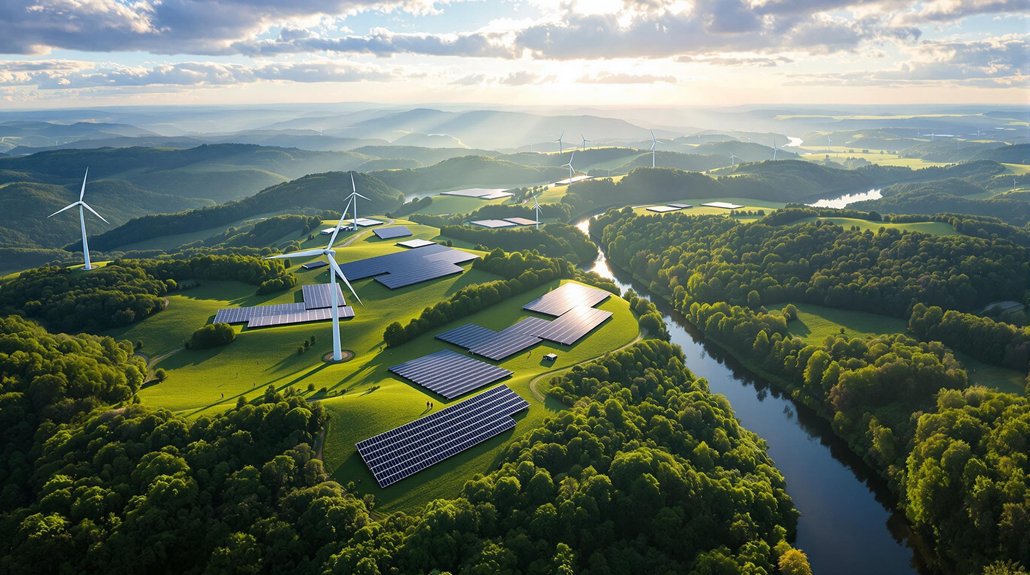
Bucks, Chester, Delaware, and Montgomery counties have formed the Sustainable Energy Partnership to achieve 100% renewable electricity for county operations by 2035. They’ve set clear milestones: 25% green energy by 2026, 75% by 2030, and 90% by 2032. The strategy focuses on wholesale market purchasing and supporting regional renewable projects. With $100 million in annual energy spending and growing municipal support, this initiative marks a significant shift in how Pennsylvania counties approach energy procurement.
Four counties in southeast Pennsylvania have joined forces to create a groundbreaking renewable energy partnership. Bucks, Chester, Delaware, and Montgomery counties formed the Sustainable Energy Partnership of Southeast PA (SEP) with an ambitious goal. They plan to power all county operations with 100% renewable electricity by 2035.
The partnership adopted its renewable energy purchasing strategy in August 2024. They’ve set clear targets along the way: 25% renewable energy by 2026, 75% by 2030, and 90% by 2032. This marks a significant change from their previous approach of using only Green-E Renewable Energy Credits.
A bold transformation with clear milestones: 25% renewable energy by 2026, 75% by 2030, and 90% by 2032.
SEP’s procurement strategy focuses on buying electricity from the wholesale market. They’re prioritizing regional projects within the Delaware Valley and aiming to support new energy generation facilities. The counties want to diversify their energy sources to include solar, wind, and hydroelectric power. The initiative emphasizes clean, affordable energy while maintaining reliability for county operations.
In December 2024, the partnership adopted guidelines to welcome new members. Municipalities, public school systems, and municipal authorities can now join. This expansion aims to increase their collective purchasing power and environmental impact in the region.
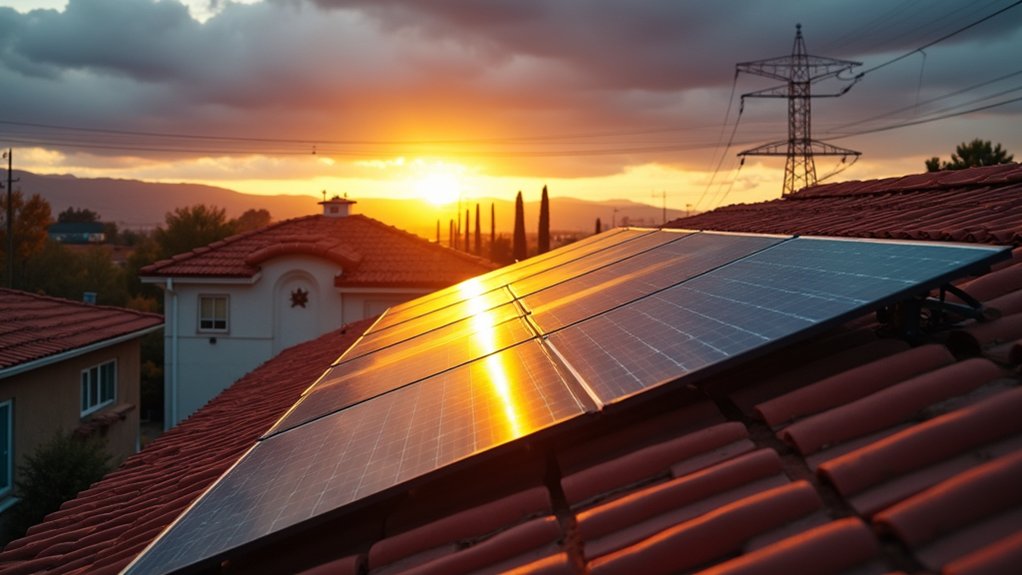
The economic impact could be substantial. In Radnor Township alone, annual energy spending is estimated at $100 million. The counties are leveraging programs like C-PACE, which offers loans for solar installations, and Community Revitalization grants for municipal solar projects. Federal incentives provide 30% cost reduction for solar installations, making renewable energy more accessible to local governments. Geographic diversity across the four counties will create a more resilient energy system that can withstand various weather conditions.
Local support continues to grow. Montgomery County already has 19 municipalities committed to clean energy goals. Lower Providence Township recently joined the initiative. Meanwhile, Chester County is collaborating with regional planning groups and the SolSmart program to advance solar energy.
The counties face challenges in the renewable energy market, including supply and demand issues. Pennsylvania counties also have limited powers, requiring careful policy guidance. Despite these obstacles, the partnership is moving forward with its plans to transform the region into a hub for next-generation energy solutions.
The initiative aligns with Governor Shapiro’s “Lightning Plan” for statewide energy evolution, positioning southeast Pennsylvania as a leader in renewable energy adoption.