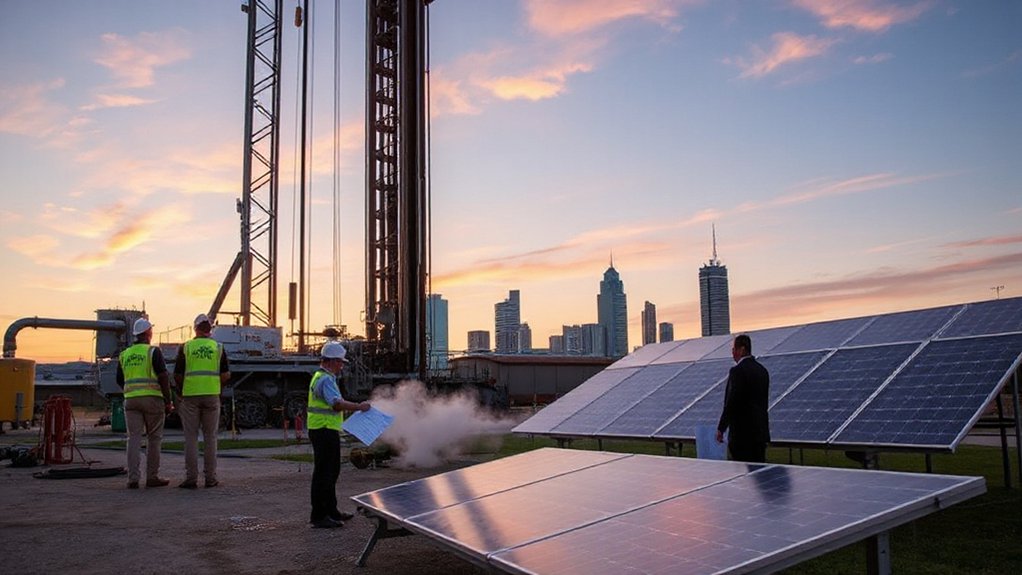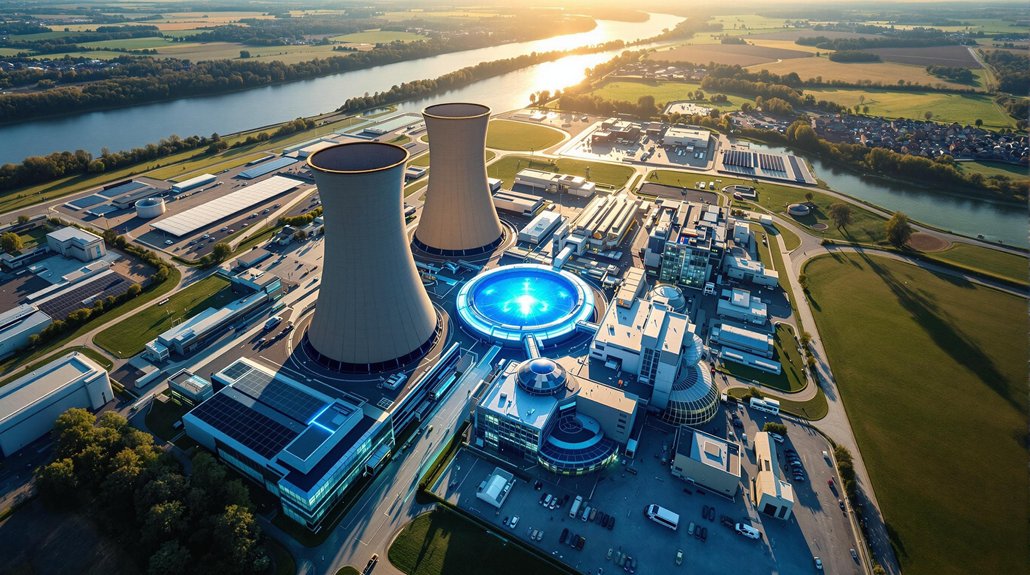

Germany is transforming its former nuclear fission plant in Biblis into a fusion power facility. The ambitious project aims to generate 1 gigawatt of clean energy by 2035. Focused Energy, RWE, and the state of Hesse are collaborating on the initiative, using innovative laser-based fusion technology. With €20 million in initial funding from Hesse, Germany is positioning itself as a global competitor in fusion development. This shift could reshape Europe’s energy landscape.
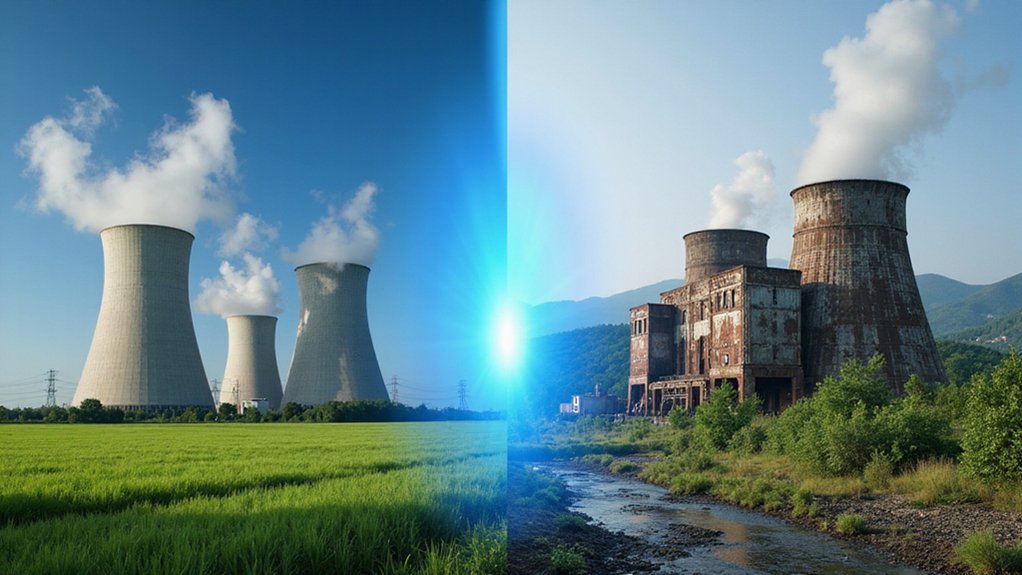
After decades of relying on nuclear fission, Germany is making a dramatic shift toward fusion power. A former nuclear plant site in Biblis will be transformed into a fusion pilot plant, thanks to a new agreement between U.S.-German startup Focused Energy, power company RWE, and the state of Hesse.
The ambitious project aims to bring fusion energy to Germany by 2035, with plans for 1 gigawatt of power generation capacity. The estimated cost ranges between €5 billion and €7 billion, marking a major investment in next-generation energy technology.
Focused Energy’s approach uses laser-based fusion, which they claim is 30 times more efficient than methods used in U.S. labs. Their direct-drive laser inertial fusion method employs a focused proton beam to ignite deuterium/tritium fuel spheres, showing potential for net-positive fusion power.
The German government is backing fusion development with significant support. Conservative parties are creating a legal framework for fusion technology, while Hesse has budgeted €20 million for fusion-related R&D. A nationwide funding program launched in March 2024, with a regulatory framework announced for November 2024.
Germany isn’t alone in this pursuit. The UK has pledged £410 million for fusion, while France, China, and the U.S. have all made recent breakthroughs. The U.S. National Ignition Facility achieved scientific net energy gain in 2022, intensifying global competition.
RWE, Germany’s largest power producer, will provide infrastructure and operational expertise as the former operator of the Biblis facility. The company has committed initial funding with larger rounds to follow. The transformation of the Biblis site exemplifies the intelligent repurposing of infrastructure from the nuclear era for future energy needs. When completed, this innovative plant could be one of the earliest projects to operate at grid-scale for national power distribution.
Significant challenges remain, including engineering gain for commercial viability, converting fusion heat to electricity, and developing supply chains for high-powered lasers. This transition aligns with expert recommendations that low-carbon technologies are essential for meeting climate goals. However, the potential rewards are substantial.
Fusion promises clean energy without long-lived radioactive waste or greenhouse gas emissions, potentially replacing both fossil fuels and fission plants.
If successful, this project could influence fusion policy across Europe and position Germany at the forefront of the next energy transformation.