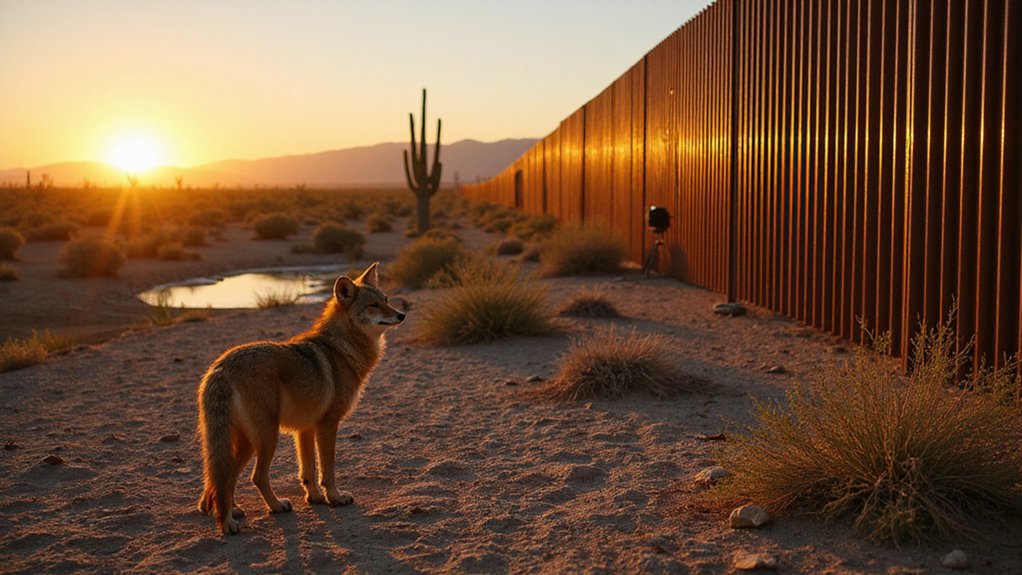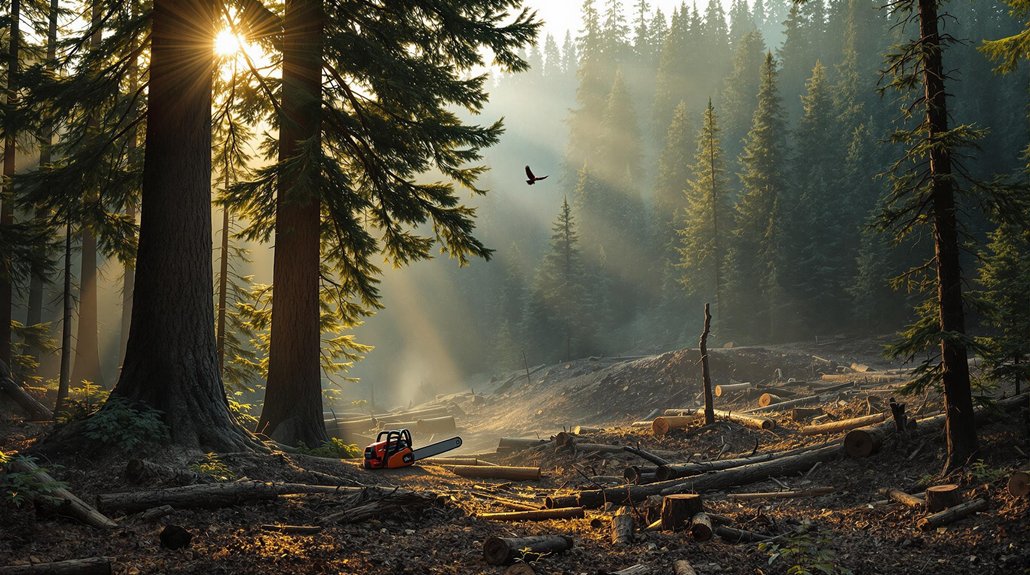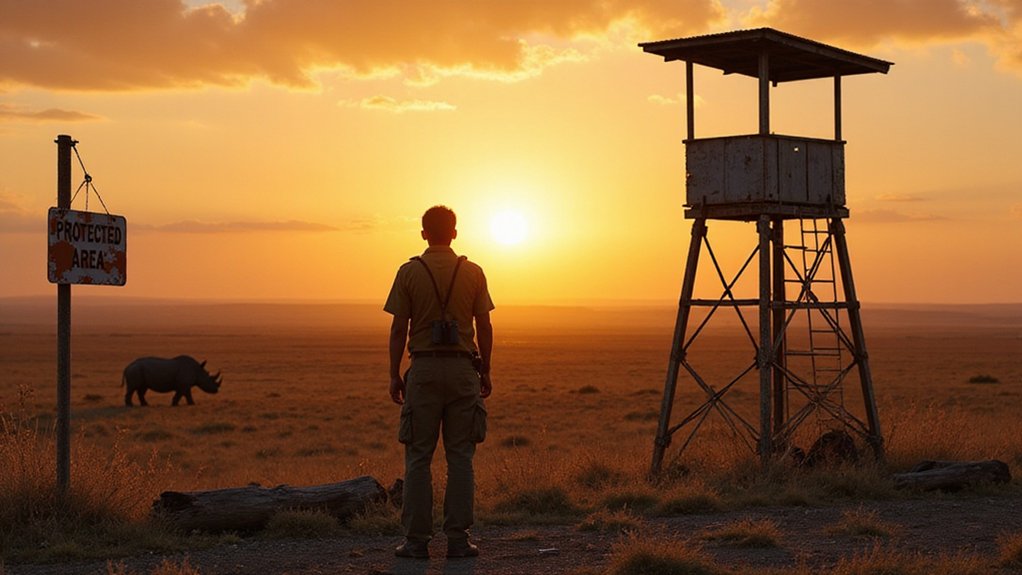

USAID’s drastic funding cuts to conservation programs have left wildlife sanctuaries worldwide in crisis. Over 5,341 projects have been terminated, with staffing reduced to just 15 people. Ranger patrols are decreasing while poaching risks rise. High-profile initiatives like the Asian Rhinoceros and Tiger Conservation Fund have been suspended. Local communities dependent on conservation jobs face economic hardship. The unprecedented shift threatens decades of progress in protecting endangered species and their habitats.
As global wildlife sanctuaries face an uncertain future, the dramatic changes in USAID funding have sent shockwaves through conservation efforts worldwide. The agency provided $375 million to international biodiversity programs across 60 countries in 2023, with an additional $318 million allocated to forestry investments. However, recent cuts threaten to undo decades of progress in protecting endangered species and their habitats.
USAID distributed nearly $44 billion for projects in 160 countries during fiscal year 2023. A significant portion supported conservation efforts that have long enjoyed bipartisan backing through Congress’s annual “biodiversity earmark.” The Trump administration‘s decision to terminate over 5,341 projects and reduce USAID staff to just 15 people has created immediate consequences for wildlife protection globally.
The unprecedented gutting of USAID threatens decades of conservation progress built through bipartisan commitment to global biodiversity protection.
High-profile initiatives like the Asian Rhinoceros and Tiger Conservation Fund have been suspended by executive order. Virunga National Park, which received more than $23 million in U.S. funding since 2019, now faces an uncertain future. The Congo Basin, one of Earth’s most important ecosystems, stands to lose critical support as the U.S. has been one of its largest donors.
The impacts are already visible on the ground. Ranger patrols in protected areas are being reduced due to salary cuts. This leaves wildlife more vulnerable to poaching and forests exposed to illegal logging. Conservation organizations worldwide report they’re scaling back activities and planning staff layoffs. The abrupt funding cuts have severely damaged trust between stakeholders built over decades of collaboration.
Local communities dependent on conservation-related jobs for income are particularly hard hit. Without these opportunities, some may turn to unsustainable practices for survival. The Wildlife Conservation Society alone has $4 million in grants now at risk. These funding cuts could worsen air quality issues that already cause over 8 million deaths annually worldwide.
USAID has supported global conservation since its establishment by President Kennedy in 1961. It was the first major development agency to recognize environmental protection as essential for sustainable development. President Trump’s 90-day freeze intended to reassess alignment with America First policy affects nearly half of all global humanitarian aid.
While conservation funding has remained relatively stable through previous political changes, the current cuts represent an unprecedented shift. Many organizations have completely shut down operations, while others scramble to find alternative funding sources to maintain crucial activities protecting our planet’s most precious wildlife.
References
- https://e360.yale.edu/features/usaid-cuts-conservation
- https://conservewildcats.org/2025/02/25/funding-freeze-threatens-wildlife/
- https://www.butlernature.com/2025/02/15/u-s-funding-cuts-cripple-global-efforts-to-protect-animals-and-their-habitats/
- https://www.usaspending.gov/award/ASST_NON_72061720CA00006_7200
- https://news.mongabay.com/2025/02/across-the-world-conservation-projects-reel-after-abrupt-us-funding-cuts/