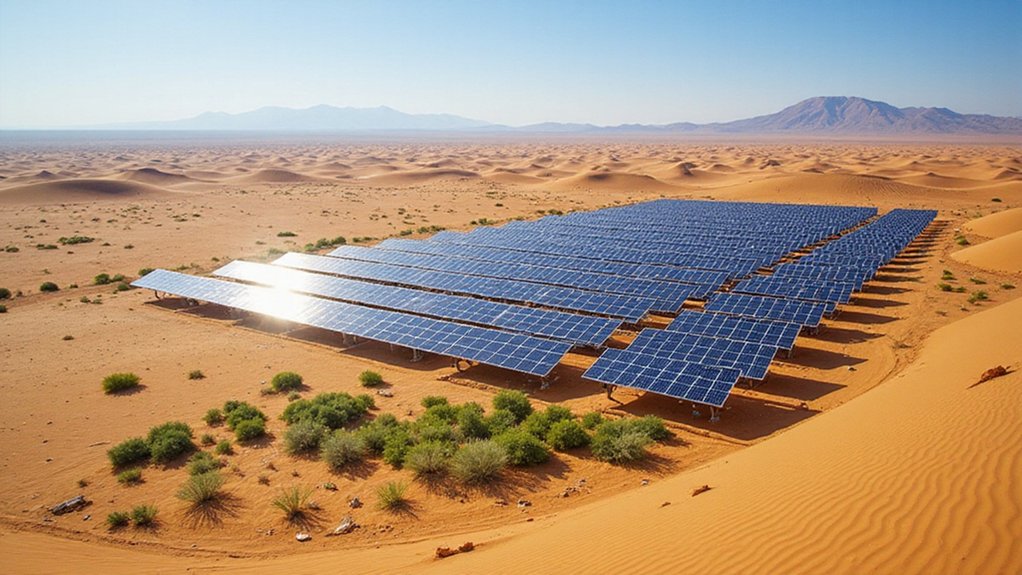
How are North Carolina neighbors teaming up to bring clean energy home? Across the state, communities are finding new ways to access solar power through shared programs and financial support. These efforts are making clean energy possible for people who couldn’t go solar on their own.
One major program is community solar. Under House Bill 589, Duke Energy Carolinas and Duke Energy Progress must each offer at least 20 MW of community solar, totaling 40 MW. This lets North Carolinians jointly own a solar facility or subscribe to a portion through their utility. Subscriptions come in 200-watt increments. Subscribers receive bill credits based on the utility’s avoided cost of energy. The model works for renters, apartment dwellers, and anyone whose roof isn’t right for panels.
Duke Energy’s PowerPair program also brings neighbors into the grid in a new way. It offers up to $9,000 in rebates for solar-plus-battery systems. That breaks down to $0.36 per watt for solar panels and $400 per kWh for battery storage. Homeowners with batteries can dispatch stored energy during peak demand. This creates what’s called a Virtual Power Plant. It helps the grid stay reliable and lets homes operate independently during outages. Duke Energy Carolinas still has about one-third of its capacity open. Duke Energy Progress has reached capacity and runs a waitlist. Applications open each year on May 10. Participants in the EnergyWise Home Battery Program can earn up to $1,100 annually in bill credits by allowing Duke Energy to access their battery during peak grid events. Eligible battery brands for the program include Enphase, FranklinWH, SolarEdge, and Tesla.
For lower-income households, EnergizeNC is a $156 million federally funded Solar for All grant program. It targets low-to-moderate income families and projects average savings of 20% on electricity bills. Funding covers single-family homes, multifamily buildings, battery storage, and upgrades to make homes solar-ready. It also supports multifamily housing owned by nonprofits and public organizations, plus community solar pilots.
North Carolina also offers a full property tax exemption on residential solar systems. This applies statewide and can be combined with other incentive programs.
The three-year PowerPair pilot covers 60,000 kW of solar across both Duke territories. That’s roughly 8,550 average-sized home installations. Together, these programs are reshaping how North Carolina neighborhoods connect to clean energy.
References
- https://palmetto.com/local/north-carolina/
- https://www.energysage.com/local-data/solar-rebates-incentives/nc/
- https://energyfundsforall.org/solar-for-all/
- https://www.energync.org/blog/the-current-state-of-community-solar-in-north-carolina/
- https://www.wfae.org/energy-environment/2025-10-31/what-will-2026-bring-for-north-carolinas-solar-coaster
- https://southern-energy.com/north-carolinas-solar-landscape-whats-next/
- https://www.deq.nc.gov/energy-climate/state-energy-office/inflation-reduction-act/solar-all
- https://8msolar.com/solarize-triangle-north-carolina/