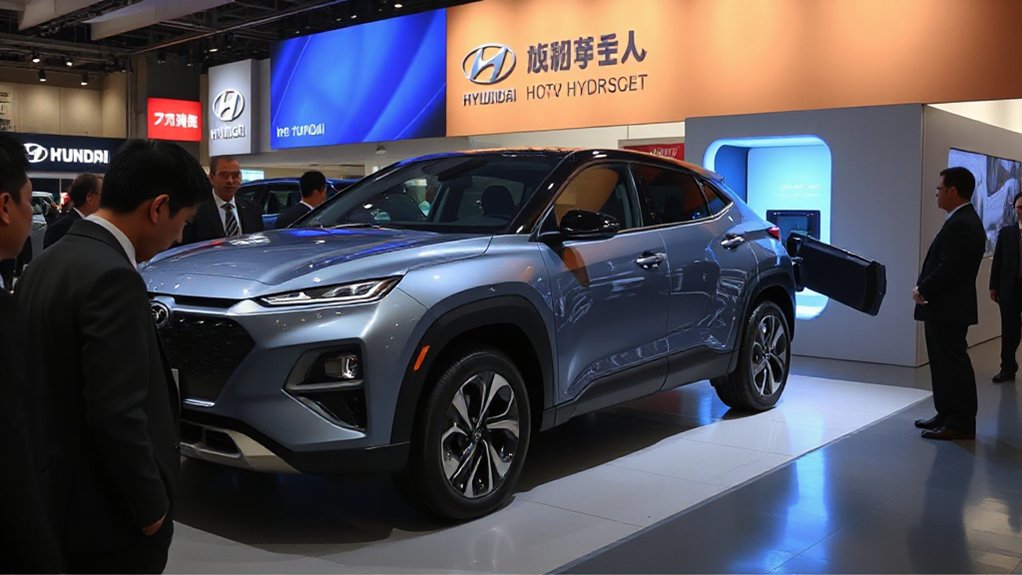

In a bold push that’s raising eyebrows across the Pacific, Hyundai is finally bringing its hydrogen ambitions to Japan. The Korean automaker introduced its NEXO fuel cell vehicle at the Japan Mobility Show 2025, marking the company’s first official hydrogen vehicle launch in this notoriously closed market. Talk about timing.
Japan’s auto scene has always been a fortress. Toyota, Honda, Nissan – the holy trinity of domestic brands that Japanese consumers worship with almost religious devotion. Foreign cars? Thanks, but no thanks. The market’s resistance to outside players is legendary, wrapped in layers of national pride, regulatory hurdles, and plain old brand loyalty.
Japan’s automotive kingdom has remained virtually impenetrable, with domestic brands ruling like royalty while foreign challengers struggle against entrenched consumer loyalty.
But Hyundai isn’t backing down. They’re leveraging Japan’s own hydrogen aspirations against its domestic industry. Clever. While Japanese automakers have poured resources into hybrids and battery electrics, Hyundai sees an opening in the hydrogen space where only Toyota’s Mirai has made significant inroads.
The government’s ambitious hydrogen infrastructure plans certainly help. Japan is pumping serious money into refueling stations nationwide, offering subsidies for both infrastructure and vehicle purchases. Hyundai couldn’t ask for a better red carpet.
The NEXO itself represents Hyundai’s technological flex – industry-leading fuel cell efficiency, AI-based energy management, lightweight materials, and safety features specifically designed for hydrogen operations. With an impressive range of over 826 km on the WLTP cycle, it outperforms many battery electric competitors. It’s not just another car; it’s a statement.
Hyundai’s strategy involves more than just technology. They’re forming strategic partnerships with Japanese dealers and emphasizing their sustainability credentials – smart moves in a market where relationships matter. After re-entering Japan in 2022 following a 12-year hiatus, Hyundai is determined to establish a lasting presence this time.
Will it work? The odds aren’t exactly favorable. Limited hydrogen infrastructure remains a stumbling block. And let’s face it, convincing a Japanese consumer to choose a Korean car over a domestic model is like trying to sell sand in the Sahara.
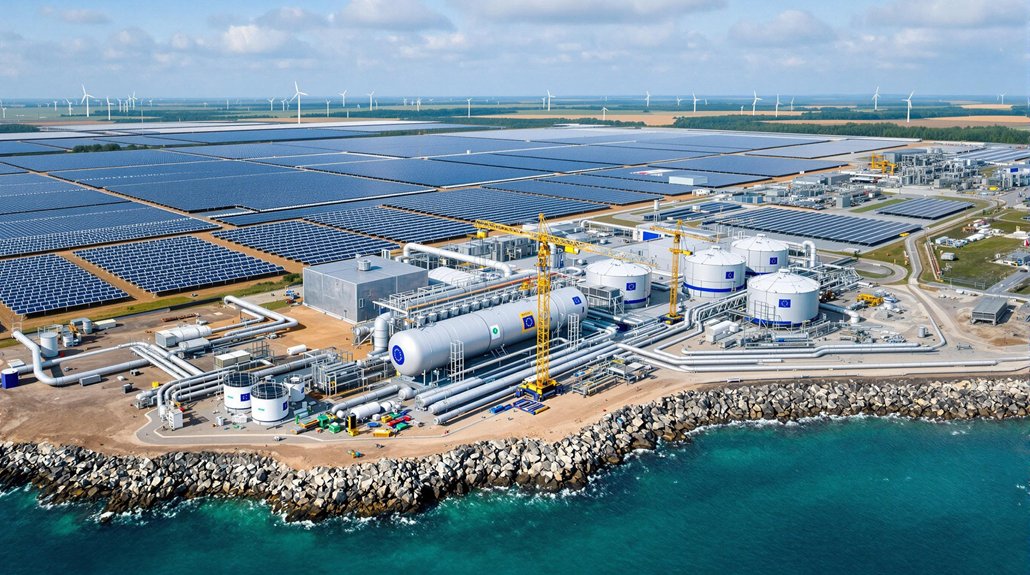
But Hyundai’s hydrogen play isn’t just about immediate sales. It’s about positioning. About influence. About forcing a revolution in a market that desperately needs one – whether it wants it or not. The company is clearly inspired by Europe’s leadership in the green hydrogen revolution, where construction of significant hydrogen infrastructure is already underway.