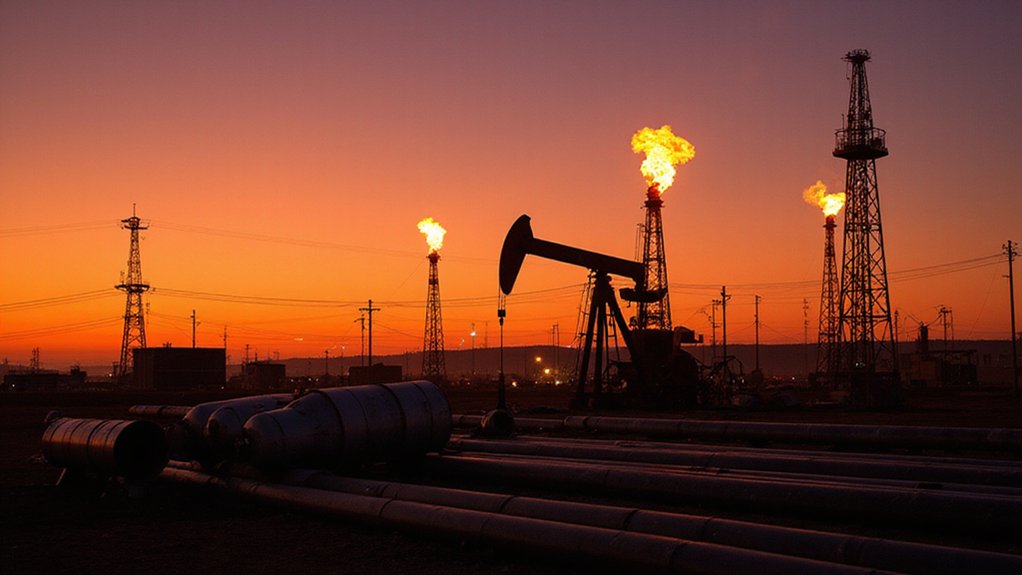
India’s LPG consumption dropped sharply in March 2026, falling 13% to 2.379 million tonnes compared to 2.729 million tonnes a year earlier. The decline was driven primarily by disruptions in global supply chains triggered by conflict in West Asia. Despite the steep monthly drop, India’s overall consumption for the fiscal year 2025-26 still rose 6% to 33.212 million tonnes, showing that the March plunge was temporary.
India’s LPG consumption fell 13% in March 2026, though annual fiscal-year growth still climbed 6% amid West Asian supply disruptions.
The Strait of Hormuz, which handles nearly 60% of India’s LPG imports, became a critical chokepoint. Supplies from Saudi Arabia and UAE, India’s key suppliers, were disrupted. Gulf imports fell from 90% of total imports to just 55%, reportedly prompting alternative sourcing in response to the disruptions. Even with rerouting efforts, effective supply disruption reached an estimated 40-50%.
India relies on imports for 60% of its LPG needs, making the country vulnerable to global supply shocks. The nation’s annual LPG demand reaches approximately 33 million tonnes. Domestic production rose to 1.4 million tonnes in March 2026 from 1.1 million tonnes the previous year, but this increase couldn’t fully offset import losses. Government promotion of cleaner cooking fuels has supported sustained household demand despite supply constraints. Strategic storage capacity for LPG is reportedly limited to around 20 days of consumption, creating significant vulnerability to extended supply disruptions.
The supply crunch hit commercial and industrial sectors hardest. Non-domestic consumption declined nearly 48%, while bulk LPG usage for industries plummeted over 75%. The hospitality and industrial sectors faced severe shortages. The government prioritized household demand, reducing supplies to commercial users like hotels and factories.
To address the crisis, the government instructed refineries to boost LPG output by diverting feedstock from other uses. Excise duty changes reportedly helped prevent immediate price spikes. Despite these efforts, household cylinder prices are reported to have risen by ₹60 since mid-March, while commercial cylinder prices increased by roughly ₹115.
Looking ahead, recovery may take roughly 3-4 years due to ongoing uncertainties around the Strait of Hormuz and broader supply chain restoration. India’s storage capacity offers only a limited buffer against supply shocks. Prolonged conflict risks creating additional price increases and supply disruptions. Global energy trade patterns are shifting, potentially reshaping how India sources its critical energy imports for years to come.
References
- https://www.freepressjournal.in/business/india-lpg-consumption-falls-13-to-237-million-tonnes-in-march-west-asia-conflict-disrupts-supply-via-strait-of-hormuz
- https://www.whalesbook.com/news/English/commodities/India-LPG-Drops-13percent-Amid-West-Asia-Conflict-Petrol-Diesel-Demand-Surges/69e48885bca97ee10691a622
- https://www.outlookbusiness.com/economy-and-policy/india-lpg-supply-crisis-strait-of-hormuz-disruption
- https://economictimes.com/industry/energy/oil-gas/india-lpg-consumption-slides-13-amid-west-asia-conflict/articleshow/130366045.cms