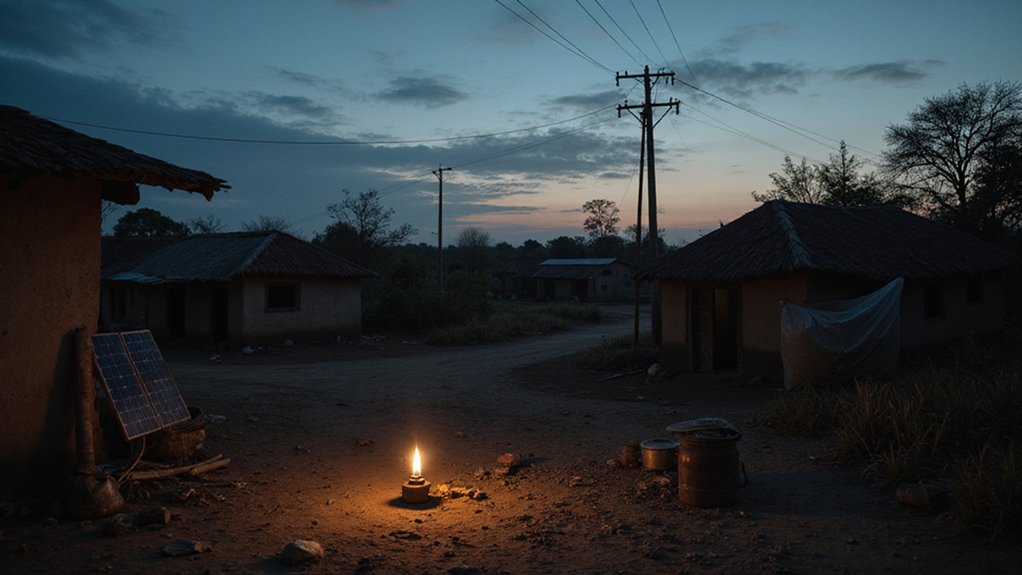
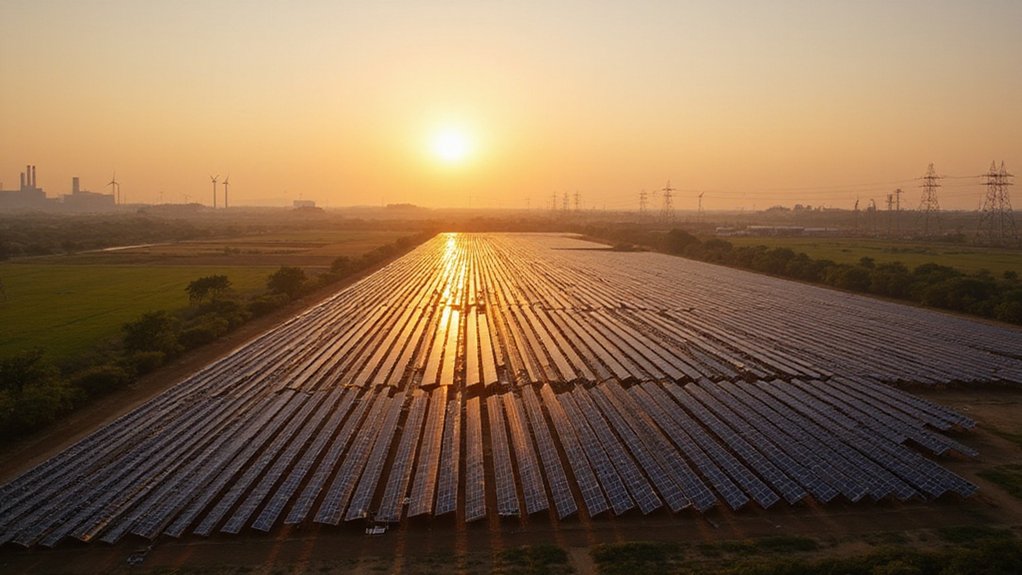
India’s crude oil production has fallen sharply over the past decade. The country’s output dropped 2.5% in 2025-26, reaching just 28 million metric tonnes. This marks the 11th straight year of decline. Since 2014-15, when the downward trend began, total production has plummeted 22%. The situation’s severity is evident in production figures, which hit a low of 604,000 barrels per day in 2023.
Natural depletion in aging fields drives most of this decline. India’s onshore fields reportedly produced around 294,000 barrels per day in 2023, while offshore fields generated approximately 298,000 barrels per day. Both sectors face similar challenges as their reserves grow older and less productive. National oil companies account for 78% of the country’s total oil production, meaning they shoulder most of the burden from these losses.
The discovery deficit worsens the problem markedly. India hasn’t found major new hydrocarbon fields in over a decade. Without fresh discoveries, mature fields can’t offset the production drops. The country’s recoverable oil reserves total just 4.9 billion barrels as of 2023, an amount insufficient to support growth. Policy reforms including regulatory and environmental clearance easing have been undertaken to attract exploration investment, yet foreign oil firm participation remains limited.
As domestic production falls, import dependence keeps climbing. Oil import dependence reached 89% in 2025-26, a concerning level. India now reportedly ranks as the world’s second-highest net crude oil and condensate importer. In 2023, imports hit roughly 4.5 million barrels per day, a new record.
Natural gas production also declined, dropping 3.7% to 34,776 million metric standard cubic metres. Gas import dependence reached 51% in 2025-26, reflecting similar challenges in that sector. Aging offshore and onshore infrastructure contributes to these losses.
India’s import sources show some strategic diversification. Russia supplied about 39% of crude imports in 2023, while Middle Eastern countries provided roughly 45%. Notably, Middle Eastern imports actually decreased by an estimated 600,000 barrels per day year-over-year. U.S. imports reportedly dropped 32.7%, falling by some 95,000 barrels per day. These shifts suggest India’s effort to reduce dependence on any single supplier region while managing its growing energy needs. This repositioning comes as U.S. crude production approaches an all-time high of roughly 13.5 million barrels per day, intensifying competition among exporters vying for India’s significant import market.
References
- https://economictimes.indiatimes.com/industry/energy/oil-gas/india-crude-oil-production-falls-for-11th-year-gas-declines-again/articleshow/130450005.cms
- https://www.eia.gov/international/content/analysis/countries_long/India/pdf/India.pdf
- https://economictimes.com/industry/energy/oil-gas/india-crude-oil-production-falls-for-11th-year-gas-declines-again/articleshow/130450005.cms
- https://timesofindia.indiatimes.com/business/india-business/high-import-dependence-indias-crude-oil-production-falls-for-11th-consecutive-year-gas-also-sees-a-dip/amp_articleshow/130460583.cms
- https://discoveryalert.com.au/indias-energy-security-2026-crude-oil-production/