Maine’s bleeding $4.5 billion yearly on imported fossil fuels while electricity prices jumped 55% in a decade. Low-income families fork over 14% of their income for energy—double what’s considered affordable. Meanwhile, the state’s sitting on untapped geothermal potential that could provide steady, local power with 99% less carbon emissions than fossil fuels. No imports, no price swings from global drama, minimal land use. The solution might literally be right under their feet.
When Maine households shelled out $4.5 billion for imported fossil fuels last year, nobody was talking about the heat beneath their feet. The state’s crushing dependence on petroleum, natural gas, and wood makes it the most home heating fuel-dependent state in America. That’s not a trophy anyone wants.
Maine’s electricity prices shot up 55% between 2014 and 2024. Third worst in the country. The past five years? Maine topped the charts for fastest-rising electricity costs nationwide. Low-income families are getting hammered, spending 14% of their income just to keep the lights on and homes warm. That’s double what experts call affordable.
Here’s the kicker: Maine electric utilities sent out 440,000 disconnection notices in 2023 while pocketing over $200 million in profits. Nice work if you can get it.
The state ranked 12th nationally for biomass electricity generation last year, with 14% of total electricity coming from burning wood products. Meanwhile, over half of New England’s electricity comes from natural gas. When global crises hit – remember the pandemic price spikes, or when Russia invaded Ukraine – Maine residents felt it in their wallets immediately. The state’s insufficient pipeline capacity during winter months makes these price spikes even worse.
Climate change isn’t helping. Maine just recorded its warmest year ever in 2024. Extreme weather keeps knocking out power lines across the heavily forested state. Storm damage drives up costs, which drives up bills, which drives more disconnection notices. It’s a brutal cycle.
The clean energy sector is growing faster than Maine’s overall economy. The state’s Renewable Portfolio Standard has already brought in massive investment and $21.5 million in benefits.
But Maine sits at a crossroads. Federal support for clean electricity wavers while oil, coal, and natural gas interests push back hard.
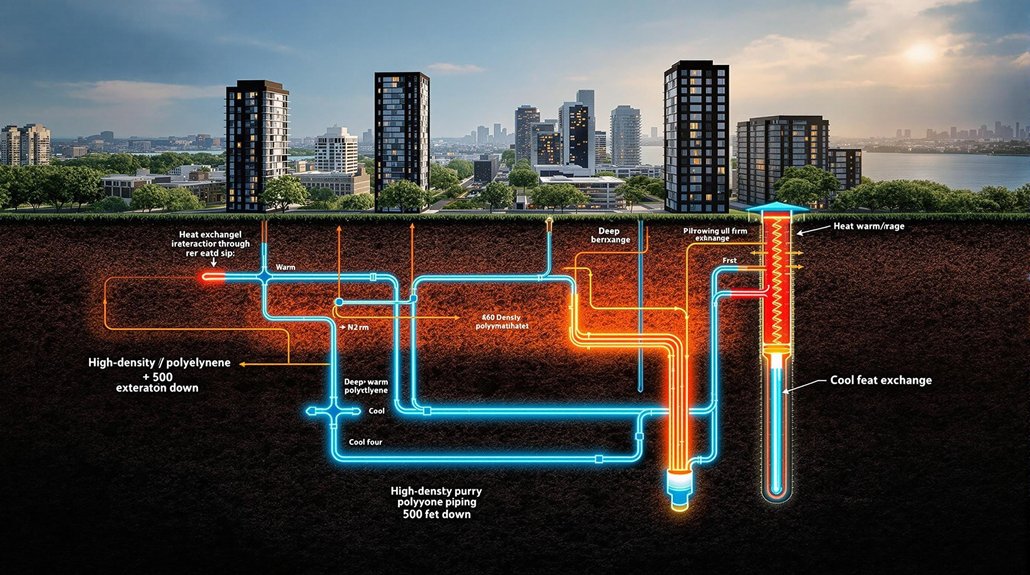
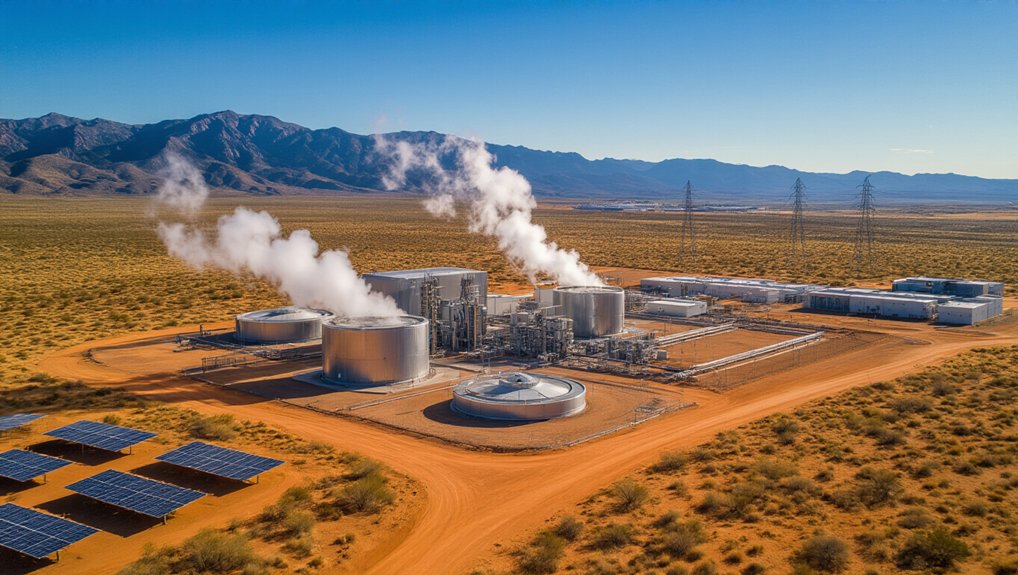
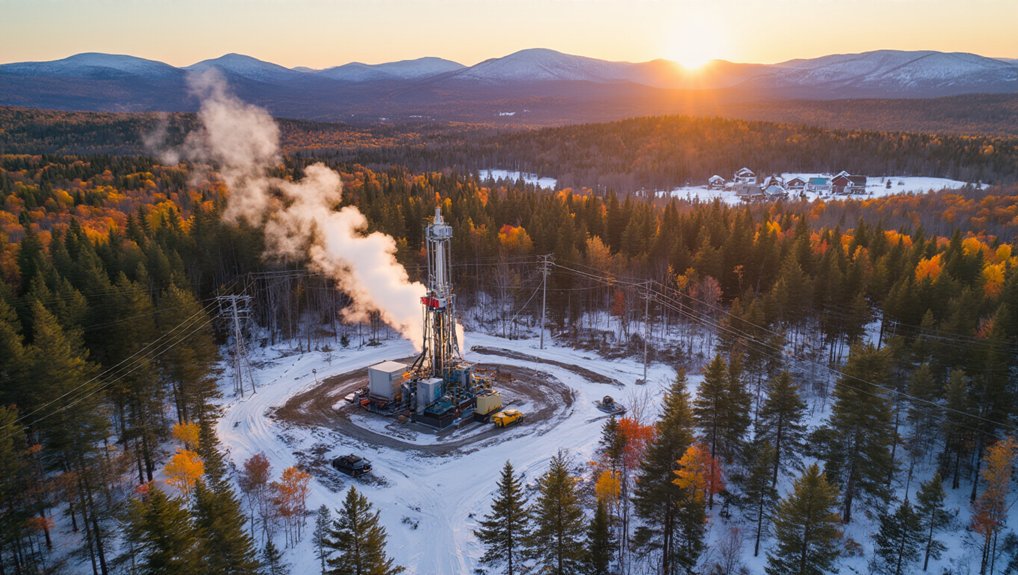
Maine needs infrastructure that can handle whatever nature throws at it. The grid needs to be cleaner, tougher, more resilient. Underground geothermal could be part of that answer. The heat’s already there, waiting. No imports needed. No price swings when some dictator gets aggressive. Just steady, reliable energy from the earth itself. Geothermal energy offers a promising alternative with its minimal land requirements compared to conventional power sources and nearly 99% lower carbon emissions than fossil fuels.
References
- https://www.maine.gov/energy/sites/maine.gov.energy/files/2025-01/Maine Energy Plan January 2025.pdf
- https://www.pressherald.com/2025/04/27/maines-electricity-prices-grew-at-third-fastest-rate-in-us-analysis-shows/
- https://www.maine.gov/energy/sites/maine.gov.energy/files/2025-03/2024 Maine CEIR Final Version.pdf
- https://www.eia.gov/state/?sid=ME
- https://www.protectmaine.org/wp-content/uploads/2025/02/2025-EPC-Fact-Sheets-Energy-Fairness.pdf