Maryland’s pushing hard to put more solar panels across the state. Governor Wes Moore‘s administration has set aside $50 million to install solar panels on highly visible state-owned lands. The plan covers about 115 acres of government property. The money comes from the Strategic Energy Investment Fund and is managed by the Maryland Energy Administration.
Maryland is betting big on solar, committing $50 million to transform state-owned land into clean energy showcases.
The state currently has 2,724 megawatts of installed solar capacity. That’s enough to rank it 22nd in the nation. Solar energy now powers over 300,000 homes and provides nearly 7% of Maryland’s electricity. There are 181 solar farms operating across the state with more than 800 megawatts of capacity. That’s about 45% of what the Calvert Cliffs Nuclear Power Plant produces.
Maryland’s target is 4,000 megawatts of solar connected to the grid by 2035. The state also aims for net-zero carbon emissions by that same year. To get there, lawmakers have introduced several new bills. The Affordable Solar Act, sponsored by Delegate Lorig Charkoudian and Senator Benjamin Brooks, is one of them. The Renewable Energy Certainty Act would streamline approvals for solar and battery storage projects. Another bill, the Lower Bills and Local Power Act, sets up financing for solar and storage systems.
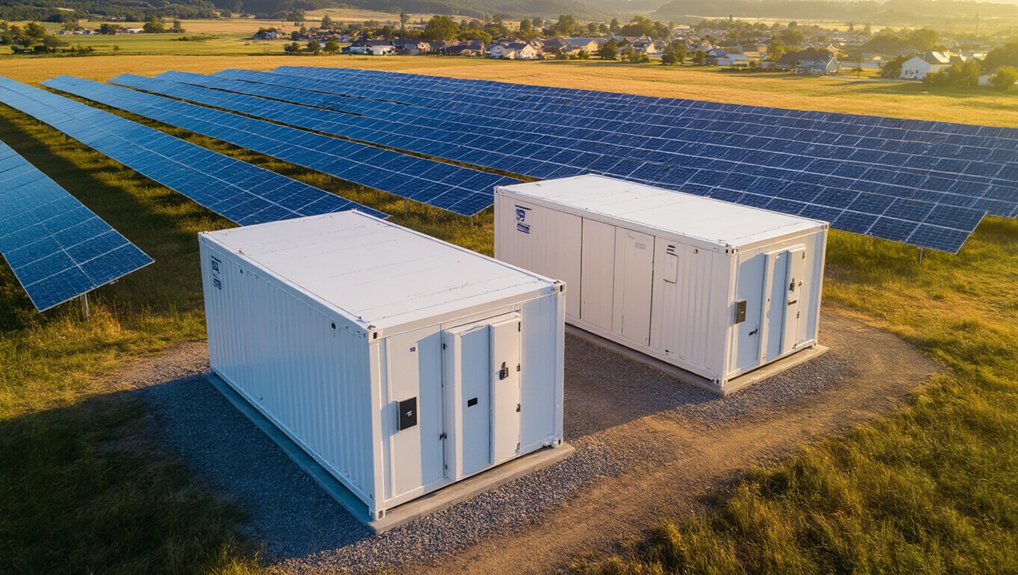
The $50 million solar investment is just one piece of a larger funding package. The state has also launched a $70 million Solar and Energy Storage Gap Financing Program. Another $10 million is earmarked for transmission infrastructure and battery storage along highways. The Maryland Solar Access Bridge Fund was created to fill gaps left by federal tax credit phase-outs. The broader legislative package allocates nearly $200 million from the Strategic Energy Investment Fund, with measures expected to save households tens of millions of dollars annually.
Not everyone supports the solar push. Some farmers oppose solar farms because they take up agricultural land. Federal policy changes have also created uncertainty. The Trump administration’s cuts to the Investment Tax Credit have slowed deployment nationwide. Maryland officials say local solar production can protect residents from energy price swings while cutting air pollution. Nationally, 99% of coal plants are now more expensive to operate than wind or solar, reinforcing the economic case for Maryland’s transition.
New programs also aim to help renters and lower-income households. Portable solar panels are now legal for use on balconies and patios. The Solar Access Program targets low-to-moderate income families for installations. No utility bill increases are required under the new plans. The Affordable Solar Act also establishes a competitive procurement process for utility-scale solar projects, modeled after successful frameworks in New Jersey.
References
- https://pv-magazine-usa.com/2026/01/15/maryland-lawmakers-introduce-bill-to-deploy-4-gw-of-solar/
- https://www.pv-tech.org/maryland-commits-us70-million-to-solar-and-energy-storage-financing-programme/
- https://cnsmaryland.org/2026/02/09/as-maryland-turns-to-solar-farms-to-meet-renewable-energy-goals-opposition-grows-from-farmers-trump/
- https://now.solar/2026/03/02/50-million-worth-of-solar-panels-headed-for-highly-visible-state-lands-maryland-matters/
- https://ccanactionfund.org/maryland-legislative-priorities-2026/
- https://energy.maryland.gov/SiteAssets/Pages/all-incentives/FY26 General Notice of Upcoming Programs (1).pdf