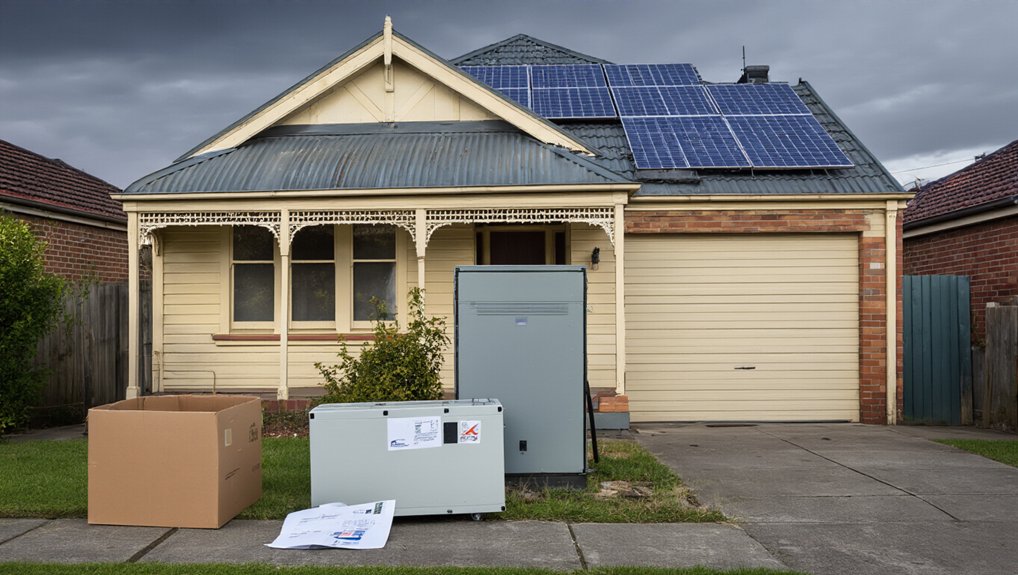
Thousands of Massachusetts heat-pump owners saved approximately $37 million this winter by avoiding higher natural gas prices. Heat pumps use electricity instead of natural gas to heat homes. Since electricity rates have stayed relatively stable, homeowners with heat pumps paid less than those relying on volatile natural gas.
Thousands of Massachusetts heat-pump owners saved $37 million this winter by avoiding volatile natural gas prices through stable electricity rates.
Natural gas prices fluctuate substantially based on market conditions. Electricity prices, however, tend to be more consistent, especially as renewable energy sources get added to the grid. This difference creates real savings for families during cold months when heating demand peaks.
Heat pumps work by transferring warmth into homes rather than burning fuel. When paired with weatherization improvements like additional insulation, the efficiency gains can lead to even stronger results. The technology isn’t new, but its cost-effectiveness has improved significantly in recent years. States like Connecticut show how regulatory frameworks can impact utility rates and customer affordability.
The $37 million winter savings reflects broader benefits from Massachusetts’ energy efficiency programs. Mass Save, the state’s major initiative, delivered $34 billion in total benefits to residents between 2012 and 2023. The program generated around $3.50 in lifetime benefits for every dollar invested in energy efficiency upgrades. Federal tax credits of up to $2,000 or 30% of installation costs remain available through at least 2032, further strengthening the financial case for homeowners considering the switch.
However, a $500 million budget cut to Mass Save in January 2025 threatens future progress. This reduction means the program will forfeit an estimated $1.49 billion in lifetime benefits for Massachusetts residents. The state will also miss out on avoiding 1.8 million metric tons of carbon dioxide emissions. Some Massachusetts municipalities are simultaneously facing municipal fiscal crises that limit their capacity to support local energy efficiency initiatives.
Massachusetts joined eight other states in setting electric heat pump adoption goals. The shift away from fossil fuels supports both environmental and economic objectives. Clean energy programs keep overall electricity costs lower for all ratepayers, including those who haven’t switched to heat pumps yet.
Experts recommend strengthening Mass Save through diversified funding rather than relying solely on utility company financing. The program’s track record demonstrates its value. Annually, Mass Save reduces electricity consumption by 18 million megawatt-hours, equivalent to more than three times the output from the retired Brayton Point Coal plant.
Maintaining and expanding these programs positions Massachusetts to continue lowering energy costs while reducing emissions. The winter savings already achieved show that heat pump technology delivers immediate financial benefits alongside environmental gains.
References
- https://acadiacenter.org/author/adminacadiacenter-org/
- https://www.boston.gov/sites/default/files/file/2025/10/Coastal-Resilience-Solutions-for-South-Boston-2018-Final-Report.pdf
- https://prhome.war.gov/Portals/52/Documents/PR Docs/NGRER FY2019.pdf
- https://www.mma.org/resources/local-news-headlines-archive/