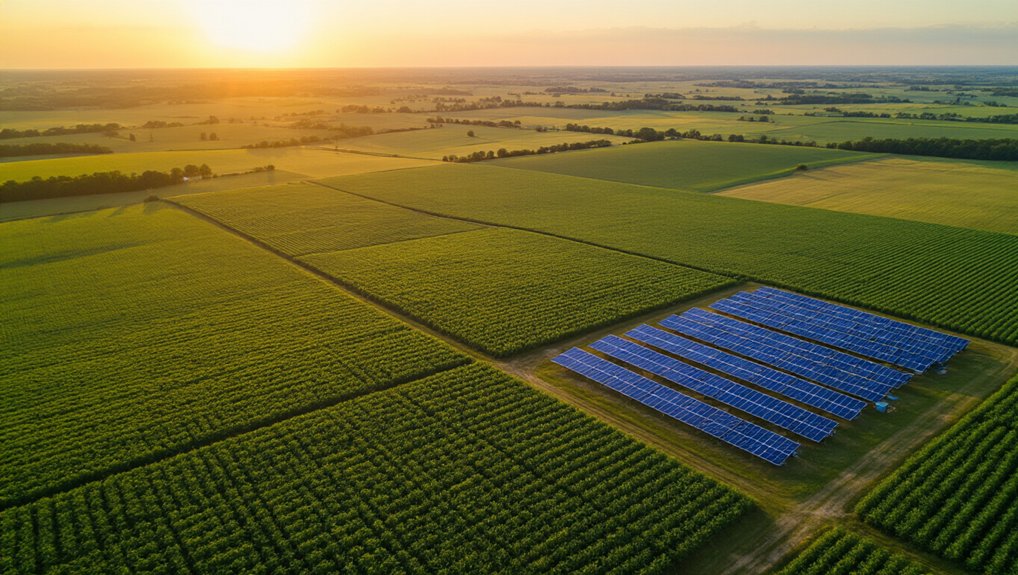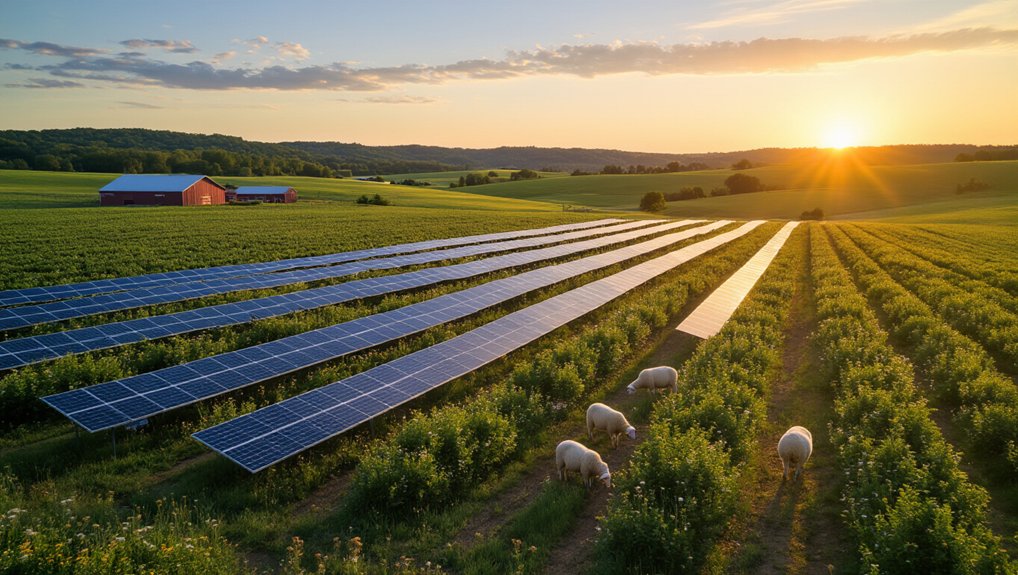

A quiet transformation is reshaping Michigan’s farmlands. Solar panels now stand alongside rows of crops, sometimes even above them. It’s no fleeting trend – it’s a financial necessity. These farmers aren’t tree-huggers; they’re pragmatic business owners watching their bottom line.
And that line grew substantially in 2023, with net farm income jumping 20.16% to $3.517 billion, despite sales dropping by 5.65%.
Michigan’s agricultural powerhouse status remains solid. First in the nation for black beans, small red beans, asparagus, tart cherries, and squash. Second for apples and cucumbers. They’re cranking out blueberries, sugar beets, milk, potatoes, and eggs too. Not too shabby for a state most people associate with cars and lakes.
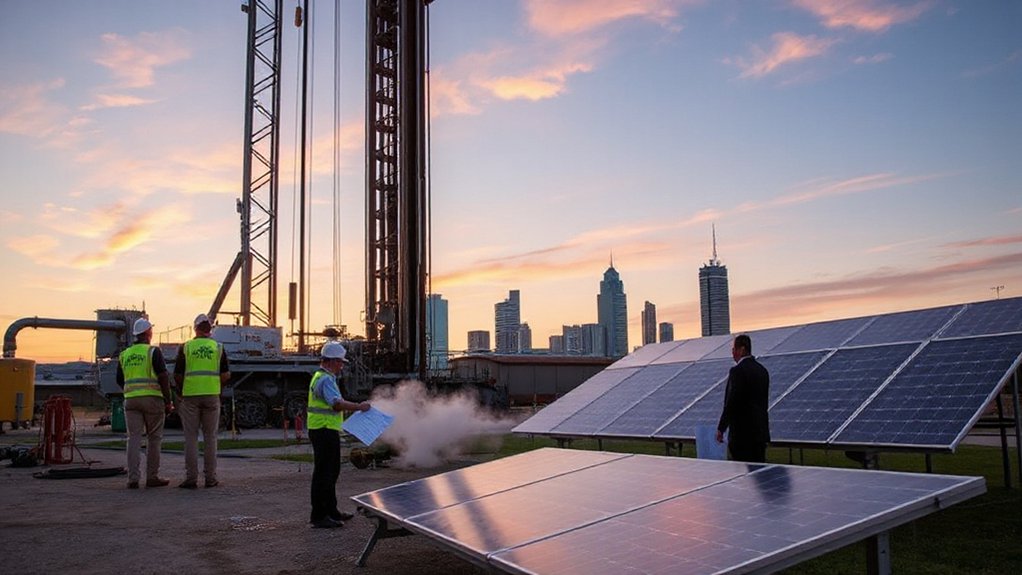
The solar push makes perfect sense. Energy costs bite into profits, and Michigan winters aren’t exactly gentle on heating bills. These installations create a secondary income stream while still allowing the land to be productive. The adoption of solar energy systems, though initially costing between $15,000-$25,000 for home installations, provides long-term savings for farm operations.
Sheep grazing between panel rows? Happens all the time. Pollinator habitats flourishing under the arrays? You bet.
Technology adoption goes beyond solar. Precision agriculture helps farmers squeeze maximum yields from every acre. They need every advantage with labor costs rising and market uncertainty from tariffs and interest rates keeping everyone on edge.
The outlook isn’t all doom and gloom. Production costs are predicted to fall 0.6% overall. Feed prices are dropping, making livestock farmers do a little happy dance. Many introverted farmers find their quiet solitude particularly valuable when making careful decisions about sustainable farming practices.
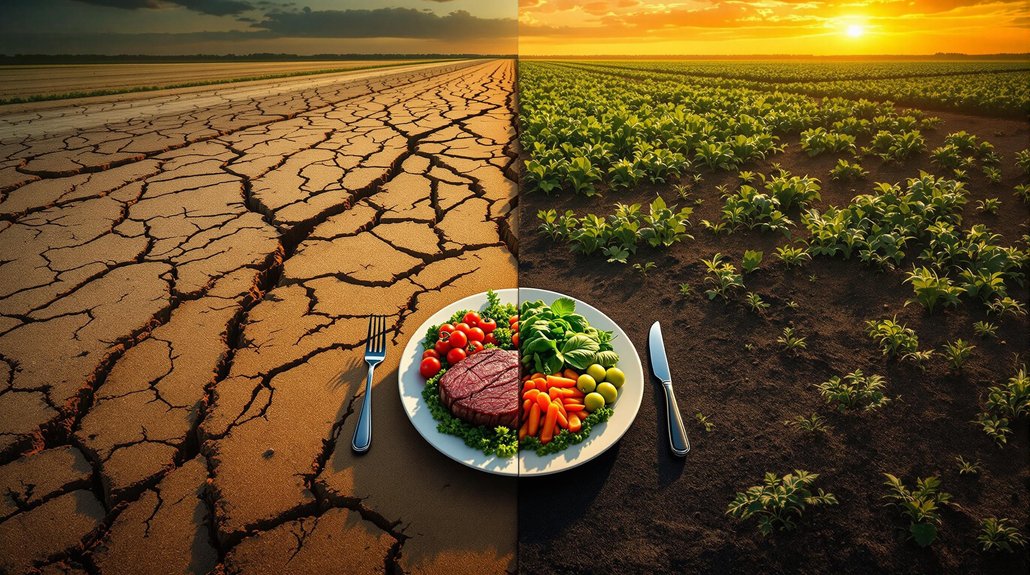
And Michigan’s stable water access might become its secret weapon as drought hammers other agricultural regions.
Government disaster payments are increasingly propping up farm income nationwide. The 2025 forecast shows national net farm income jumping 29.5% to $180.1 billion.
Michigan agriculture is diversifying beyond traditional crops into value-added food processing, specialty crops, and organics. The state even leads nationally in begonias, Easter lilies, and petunias.
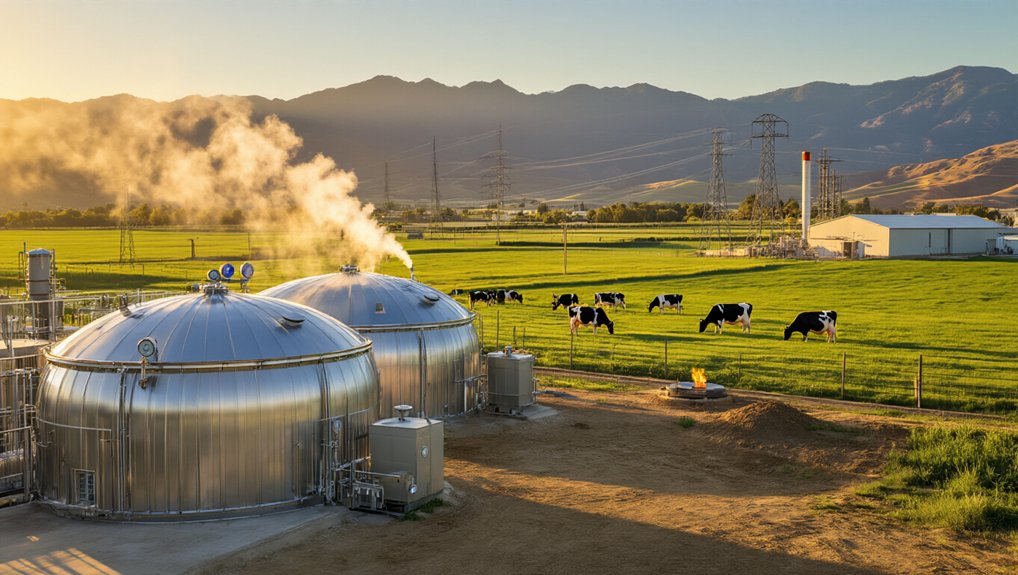
Dairy remains crucial to the state’s agricultural economy with milk sales totaling $2.41 billion in 2023, despite a 16.5% decline from the previous year.
Who knew? This isn’t your grandpa’s farm economy anymore. It’s evolving, adapting, and—surprisingly—thriving.
References
- https://www.canr.msu.edu/resources/the-state-of-michigan-agriculture-2025
- https://pdfcoffee.com/eng-pdf-quiet-the-power-of-introverts-in-a-world-that-cant-stop-talking-pdf-free.html
- https://www.canr.msu.edu/resources/the-outlook-for-michigan-agriculture-2025
- https://www.aallnet.org/wp-content/uploads/2018/02/LLJ_109n4_00_full_issue_FINAL-WEB.pdf
- https://farmflavor.com/michigan-agriculture/