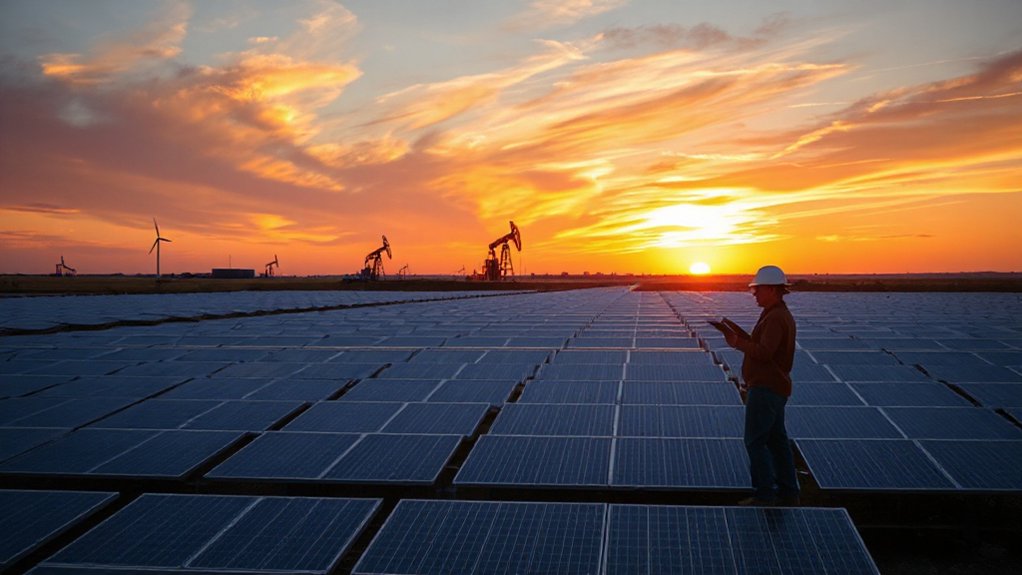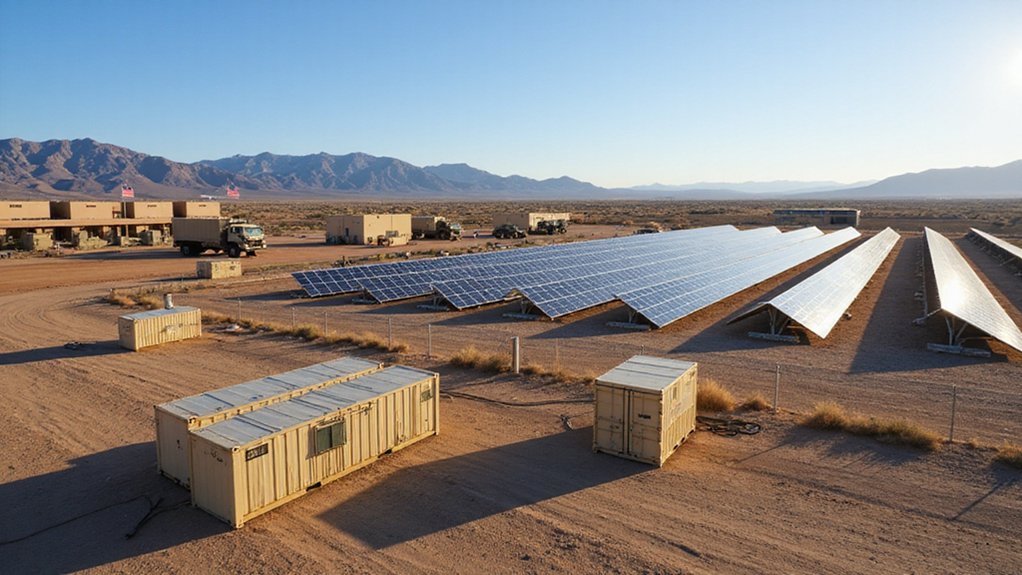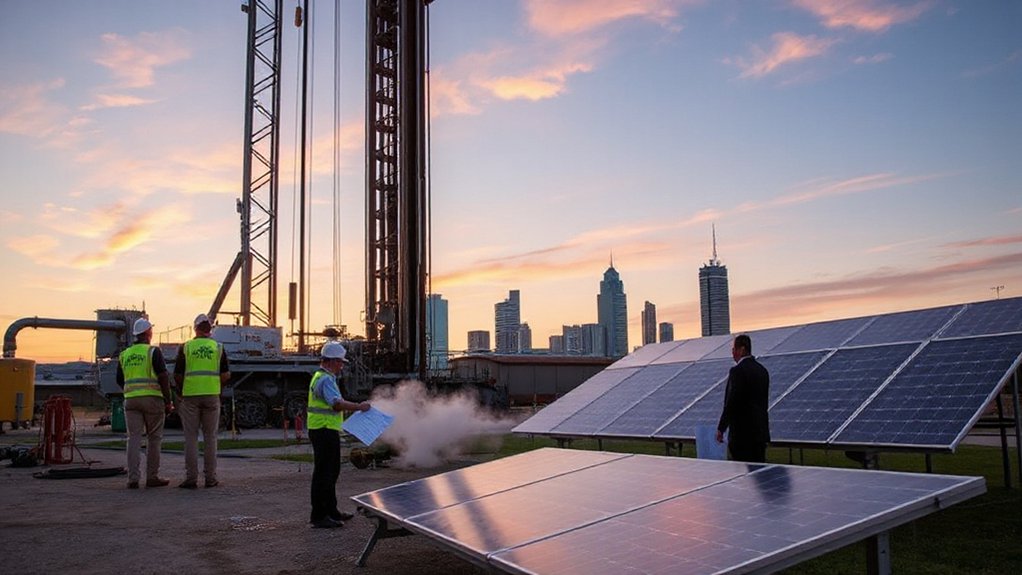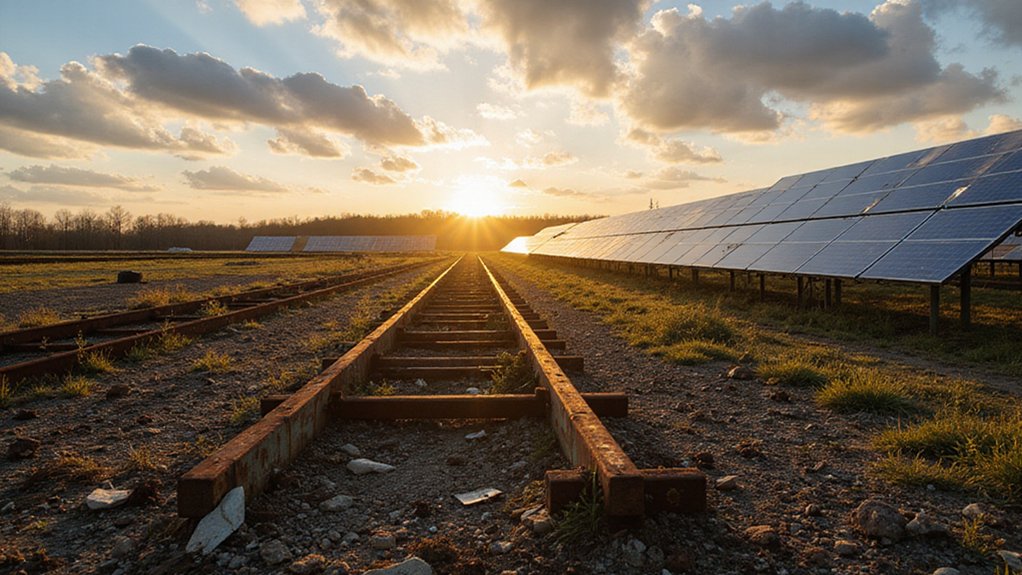
Michigan faces a dual challenge with 65 active Superfund sites posing health risks to communities. These toxic wastelands present an unexpected opportunity: converting contaminated lands into solar farms. This approach avoids developing pristine areas while utilizing existing waste sites. Seventeen sites have already been successfully cleaned up, showing what’s possible. The potential marriage of renewable energy and land remediation could transform Michigan’s environmental terrain.
While Michigan grapples with a legacy of environmental contamination from dozens of toxic sites, the state is simultaneously moving toward a greener future through solar energy development. With 65 active Superfund sites currently on the National Priorities List, Michigan faces significant environmental challenges. These contaminated areas pose real health risks to nearby communities.
Living near hazardous waste sites increases the chance of serious health problems. Studies show higher rates of preterm births, low birth weight, and birth defects among those living close to these areas. This is especially concerning since Michigan handles some of the nation’s most dangerous chemicals, including PCBs and dioxins that have been linked to various types of cancer.
Proximity to toxic waste creates alarming health risks for Michigan families, especially with the state handling particularly dangerous chemicals.
The state’s waste management system includes one commercial hazardous waste landfill in Wayne County and one deep well for liquid waste disposal in Romulus. These facilities process enormous amounts of toxic materials. From 2019 through June 2023, Michigan Disposal received nearly 500,000 tons of acute waste, while Wayne Disposal landfill handled almost 3,700 tons.
Michigan’s Department of Environment, Great Lakes, and Energy (EGLE) works with the EPA to regulate these sites. When violations occur, EGLE issues notices and takes enforcement actions if needed. About 50 hazardous waste facilities are currently undergoing corrective action after testing. Converting these contaminated lands into solar farms could provide renewable energy solutions while avoiding development on pristine natural areas.
There have been success stories. The Cemetery Dump Superfund site in Rose Township shows how remediation works. After illegal dumping of hundreds of barrels of industrial waste, the site was cleaned up through excavation of 250 drums and 10,000 cubic yards of contaminated soil. The EPA removed it from the priority list in 1995.
Despite progress, many sites remain contaminated. The sites contain various harmful substances including VOCs and heavy metals that continue to threaten groundwater supplies and ecosystems. The Kalamazoo River Superfund site alone includes 80 miles of river, riverbanks, floodplains, and several landfills. While seventeen sites have been successfully cleaned up, Michigan continues to be a destination for hazardous waste from other states.
The challenge moving forward is balancing effective management of these toxic sites while advancing renewable energy projects that could help prevent future contamination.
References
- https://www.epa.gov/superfund-redevelopment/superfund-sites-reuse-michigan
- https://waterskraus.com/michiganders-face-health-risks-as-state-becomes-toxic-waste-dumping-ground/
- https://www.michigan.gov/pfasresponse/workgroups/landfills
- https://en.wikipedia.org/wiki/List_of_Superfund_sites_in_Michigan
- https://www.bridgemi.com/michigan-government/michigan-stopped-ohio-toxic-waste-last-week-we-import-waste-every-day