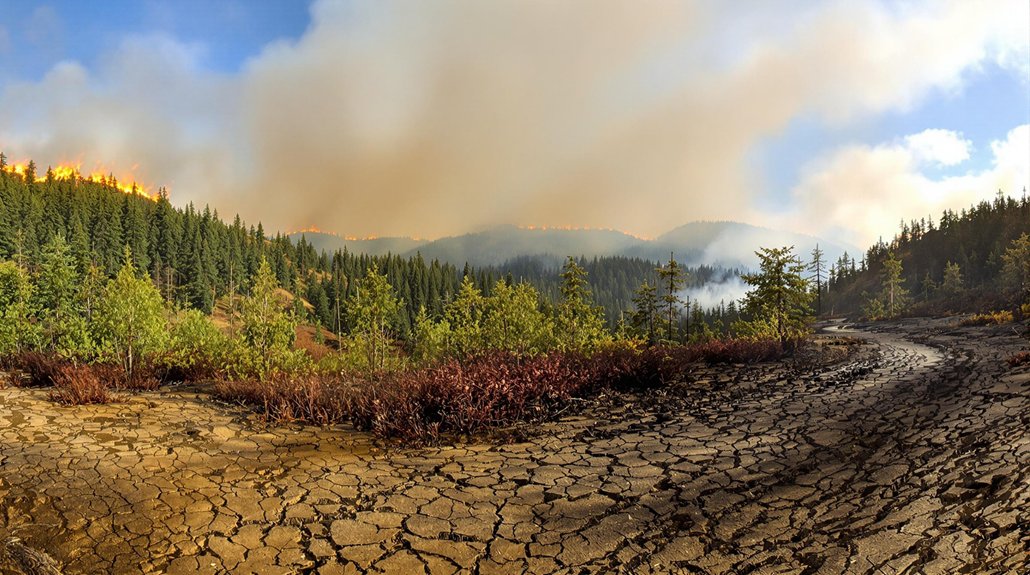

The state’s burning. Again. But while everyone’s freaking out about the latest inferno, California’s quietly rolling out what might be its most effective wildfire strategy yet: getting back to basics with native gardens and traditional fire management.
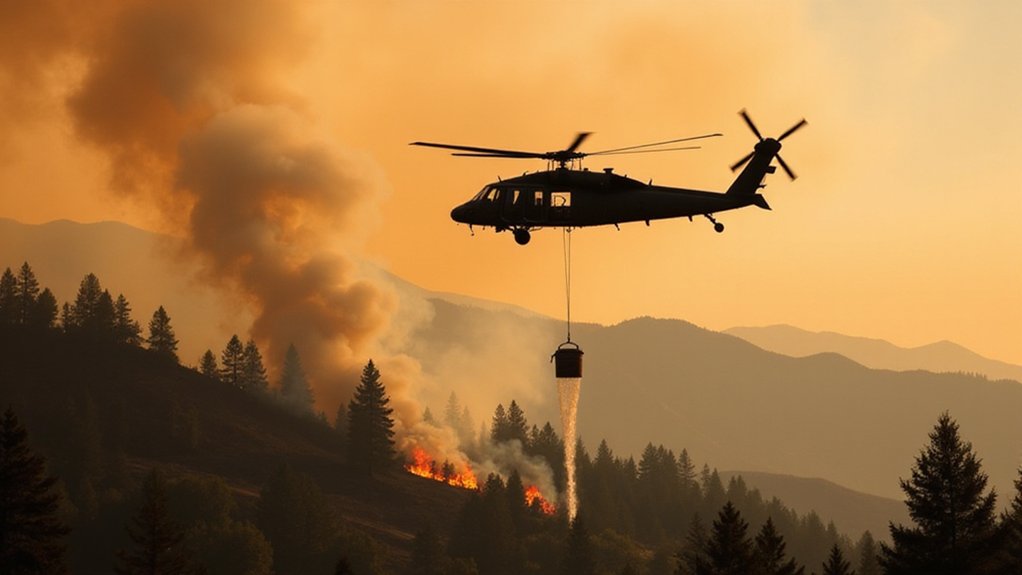
Turns out, the solution isn’t just more water drops from helicopters. It’s about making communities less flammable in the first place. The state’s pushing hard on “home hardening” – basically turning houses into mini fortresses against flames. Fire-resistant materials, defensible spaces, retrofitting old buildings. Not exactly sexy stuff, but it works.
Making communities less flammable beats water drops from helicopters. Home hardening works, even if it’s not sexy.
Here’s where it gets interesting. California’s finally embracing what Indigenous communities have known for centuries: controlled burns actually prevent catastrophic fires. Prescribed burns clear out all that dead, crispy vegetation that turns into wildfire fuel. It’s almost like nature had a system, and we ignored it for decades. Shocking. The U.S. Forest Service has been so focused on suppression that they achieved a 98% suppression rate in 2022, but all that did was let dangerous fuel build up.
The state’s even suspending parts of the California Environmental Quality Act to fast-track these prevention projects. That’s right – environmental regulations getting partially suspended to save the environment. The irony isn’t lost on anyone.
But wait, there’s more. They’re investing in training programs for prescribed fire practitioners and – get this – actually promoting traditional Indigenous fire stewardship practices. Only took a few thousand homes burning down to figure that one out. The state budget now includes funding for wildfire mitigation from a $10 billion climate bond approved by voters.
Technology’s getting thrown at the problem too. AI-driven fire prediction, satellite monitoring, drones buzzing around looking for smoke. It’s like Silicon Valley finally decided wildfires were worth their attention.
The real kicker? This whole approach requires everyone to work together. Public agencies, private landowners, local communities. Novel concept in California politics.
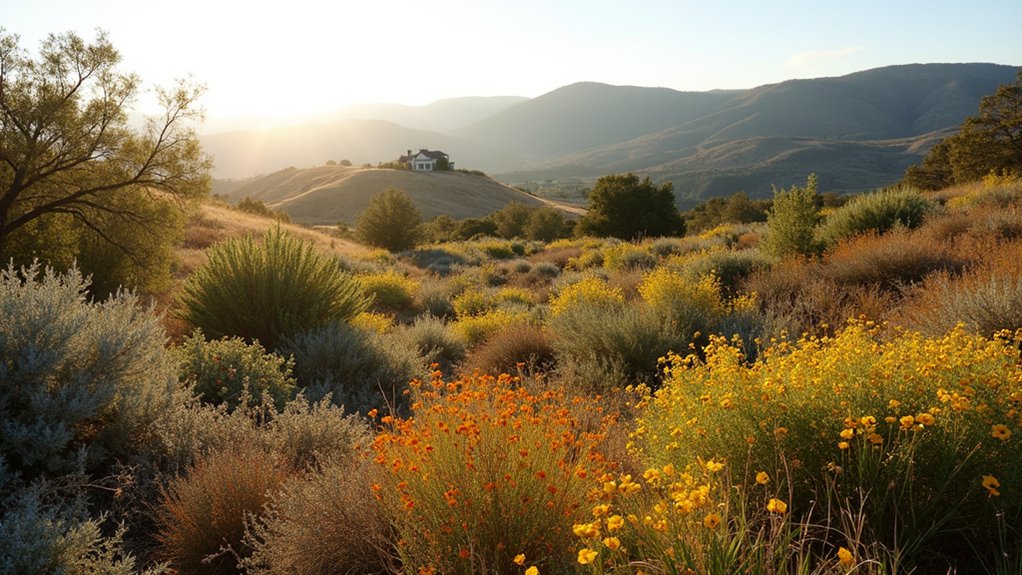
Native plants naturally resist fire better than the invasive species choking the terrain. They need less water, create natural firebreaks, and support local ecosystems. With rising sea levels threatening coastal communities elsewhere, inland fire resilience takes on even greater importance. Who knew the answer to preventing devastating wildfires was literally growing in California’s backyard all along?
The state’s committed to 25 key deliverables for wildfire resilience by 2025. Whether they’ll actually follow through is another story. But at least they’re finally admitting that maybe, just maybe, working with nature beats fighting against it.
References
- https://www.gov.ca.gov/2025/04/03/what-theyre-saying-californias-25-key-deliverables-for-2025-to-protect-communities-from-wildfire/
- https://www.gov.ca.gov/2025/03/24/california-doubles-down-to-protect-communities-from-wildfire-with-25-key-deliverables-for-2025/
- https://news.northeastern.edu/2025/01/29/controlled-burns-california-wildfire-prevention/
- https://calmatters.org/digital-democracy/2025/02/california-wildfire-prevention/
- https://www.csda.net/blogs/kristin-withrow1/2025/03/11/fast-tracking-wildfire-prevention-projects